
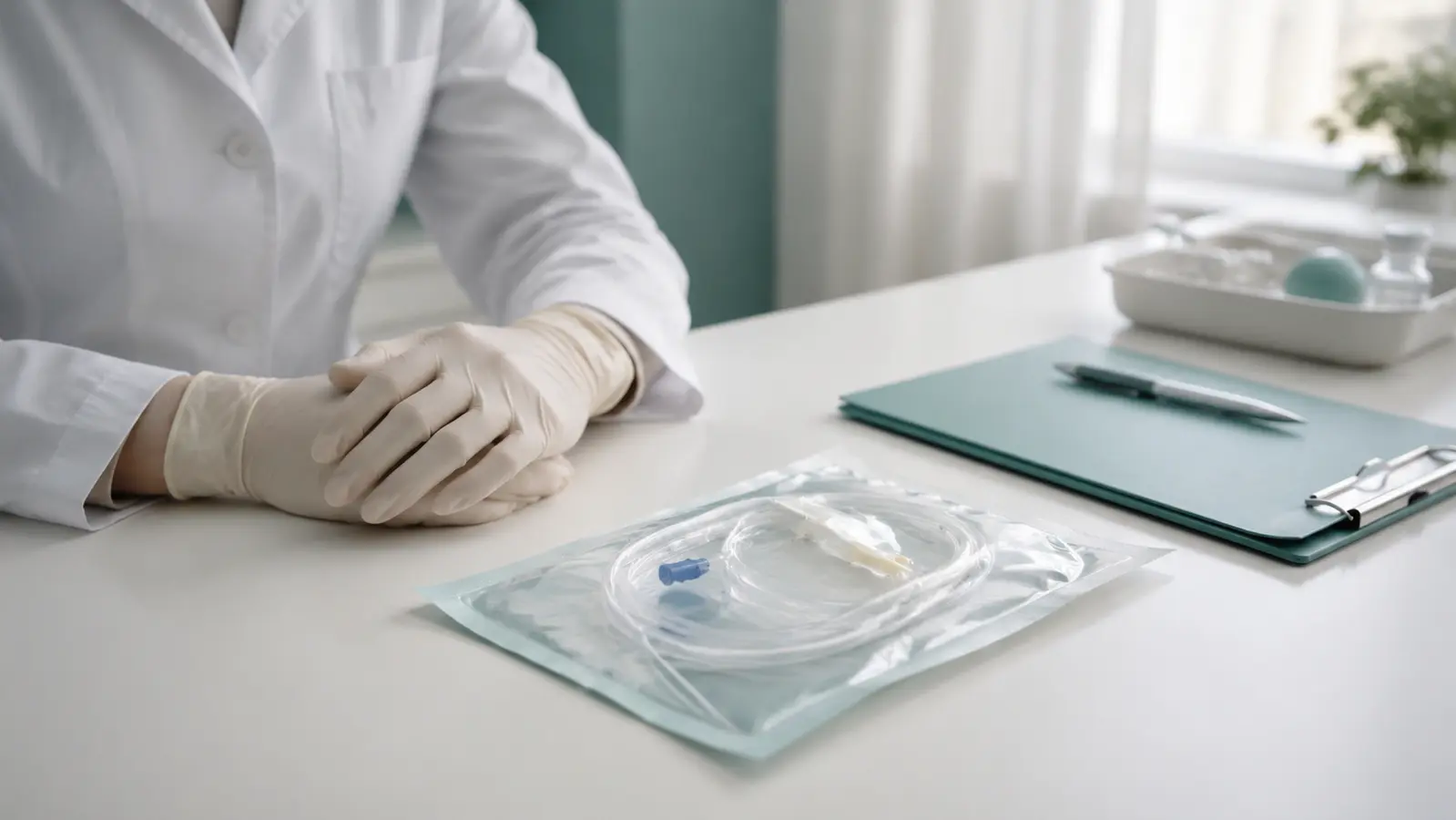
Who can it be considered for?
Ozone therapy can be considered especially for certain musculoskeletal pains, joint problems, and local tissue and wound applications when a complementary contribution to the existing treatment plan is aimed. Suitability is determined based on the person’s diagnosis, medications used, circulatory status, and the targeted route of administration.
How is it planned?
First, the clinical goal and route of administration are determined; then, the dose, session interval, and follow-up plan are individualized. Because systemic and local methods can be used for different purposes in the same person, progress is guided by clinical response rather than a single standard schedule.
Ozone administration methods
Ozone therapy is not a single procedure. By selecting the route of administration, you can examine in detail how the technique is performed, under which conditions it is evaluated, and safety topics.
 Major Autohemotherapy
Systemic administration approach via blood
 Minor Ozone
Small-volume autohemotherapy and administration process
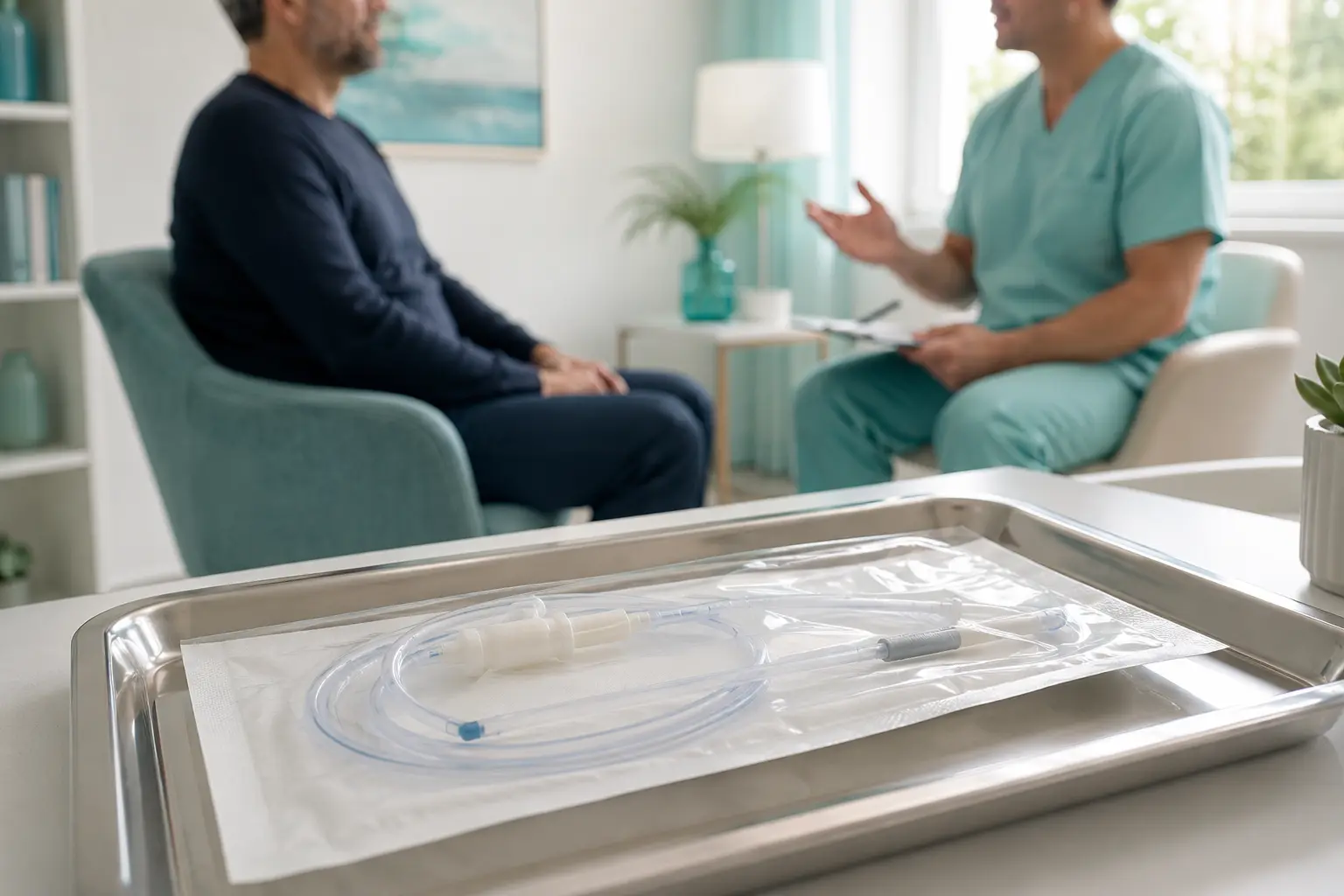 Rectal Ozone
Distinction between systemic and local use
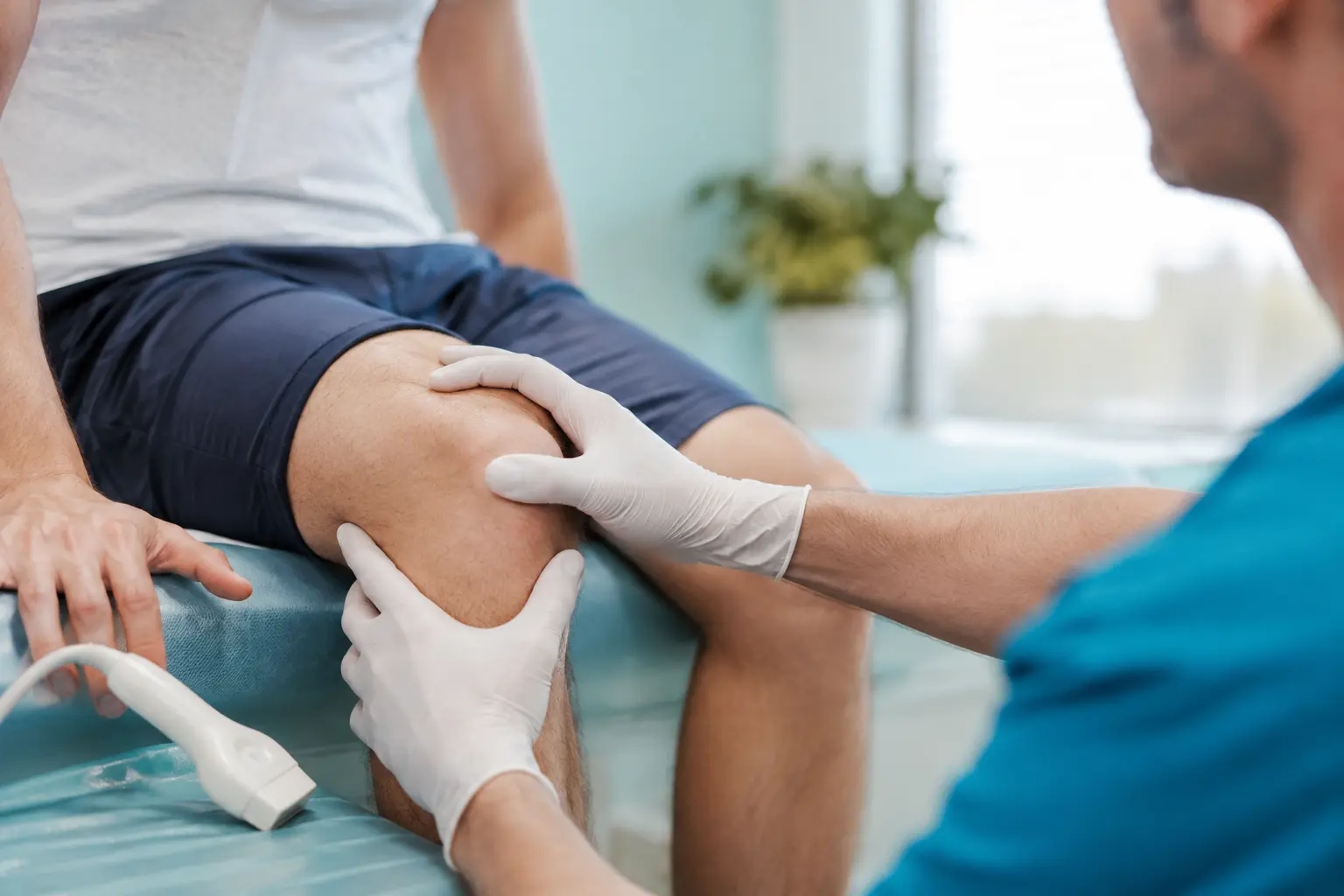 Intra-articular Ozone
Knee and selected joint applications
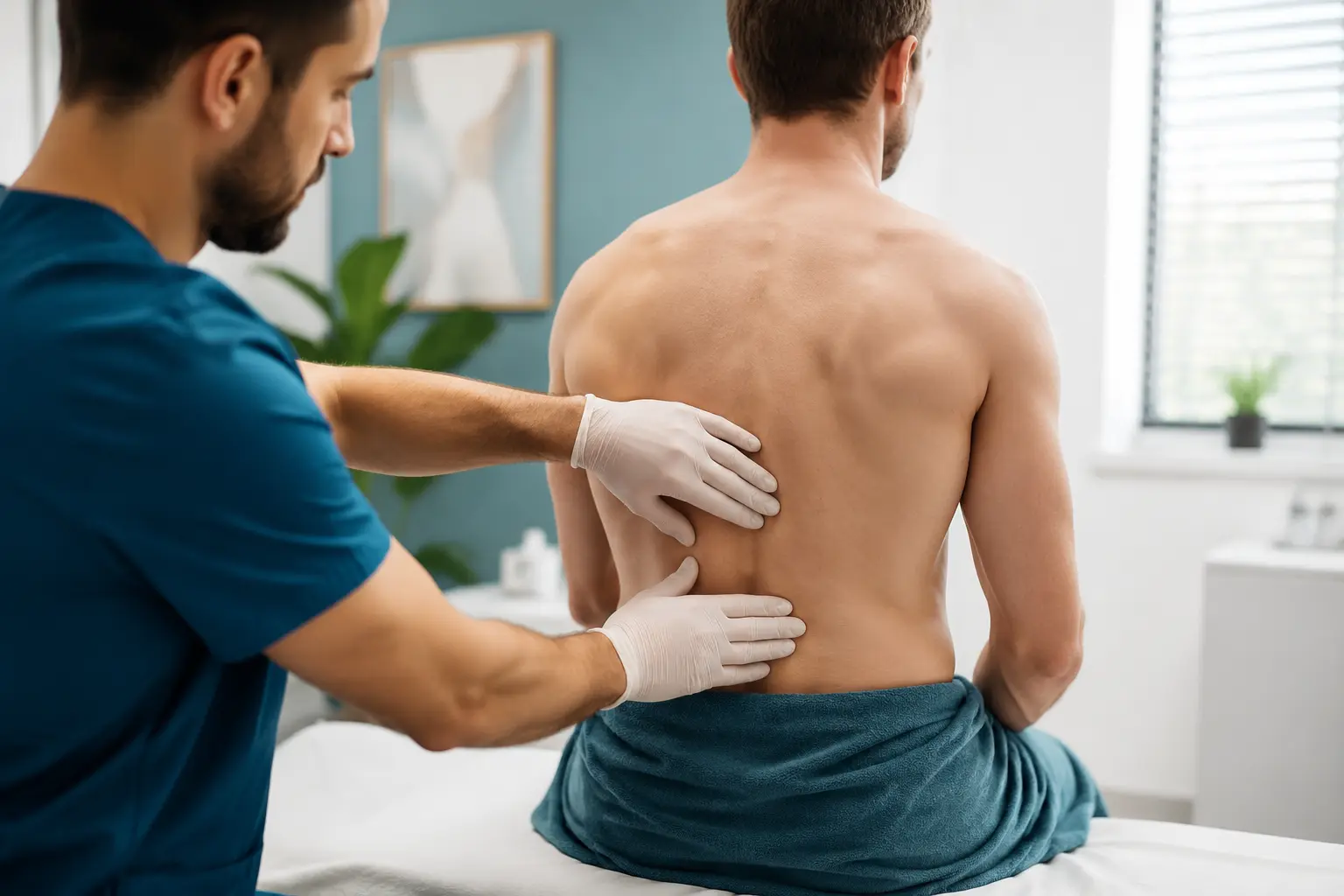 Paravertebral / Local Ozone
Lower back, neck, and musculoskeletal system regions
 Topical Ozone
Bagging, wound, and local tissue applications
 Ozonated Water
Wound, skin, and mucosal uses
 Ozonated Oil
Skin and chronic wound support
 Vaginal Ozone
Local administration and clinical evaluation
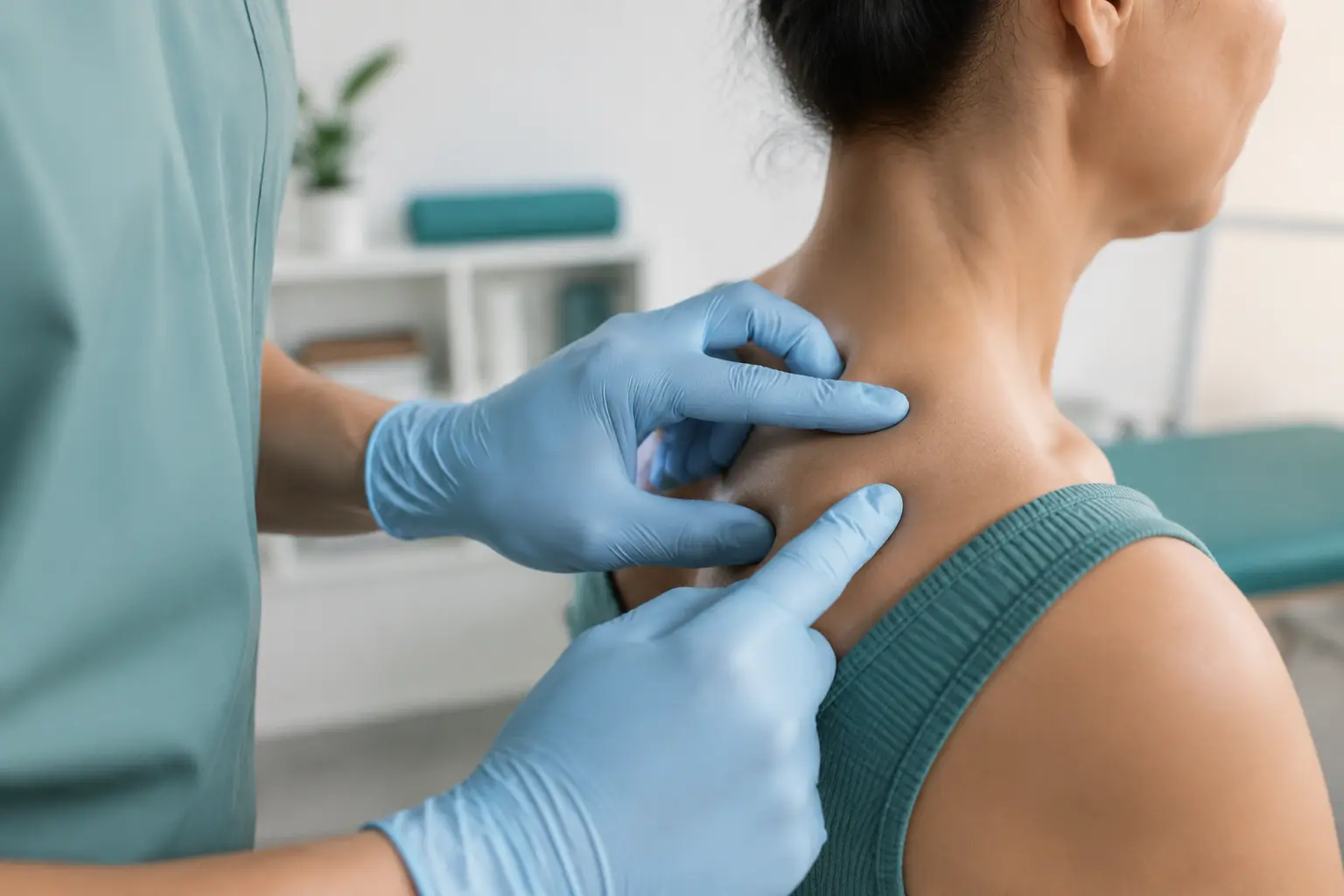 Microdose / Trigger Point
Local pain and muscle trigger points
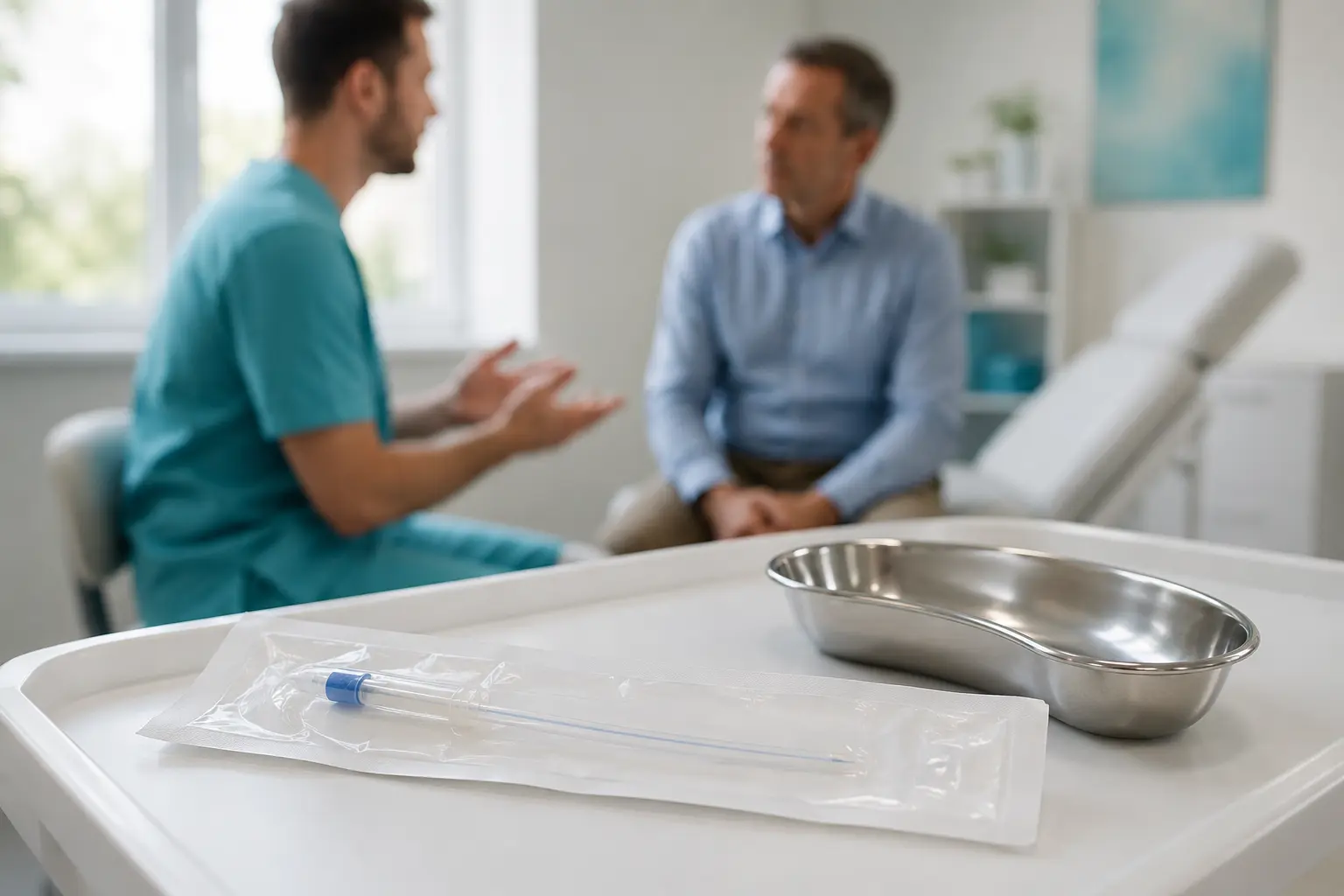 Intravesical Ozone
Advanced local administration method
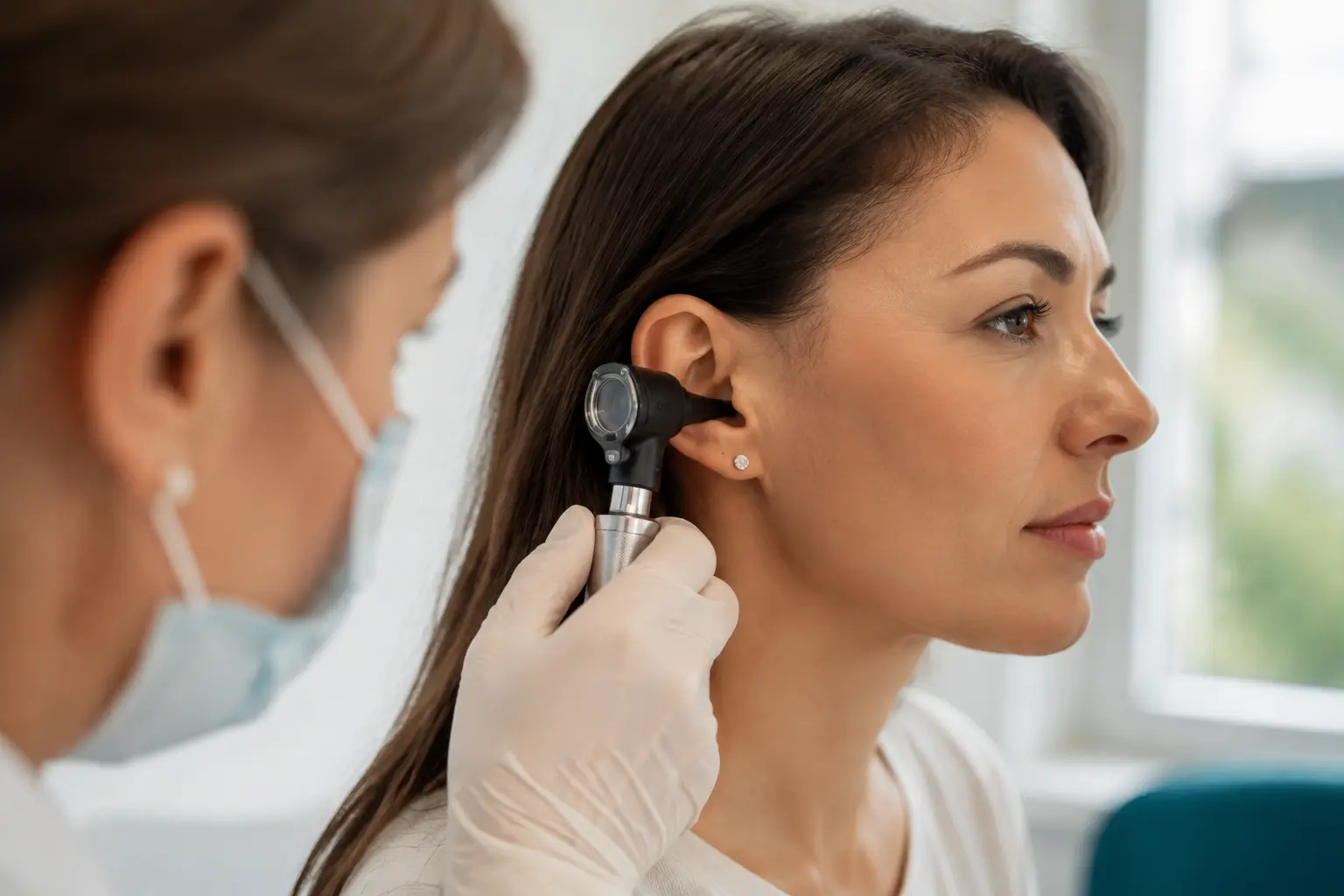 Otic Ozone
Local applications in the ear region
In which clinical conditions is it being investigated?
By selecting your reason for consultation, you can examine the role of ozone in the relevant health field and how it relates to standard treatments.
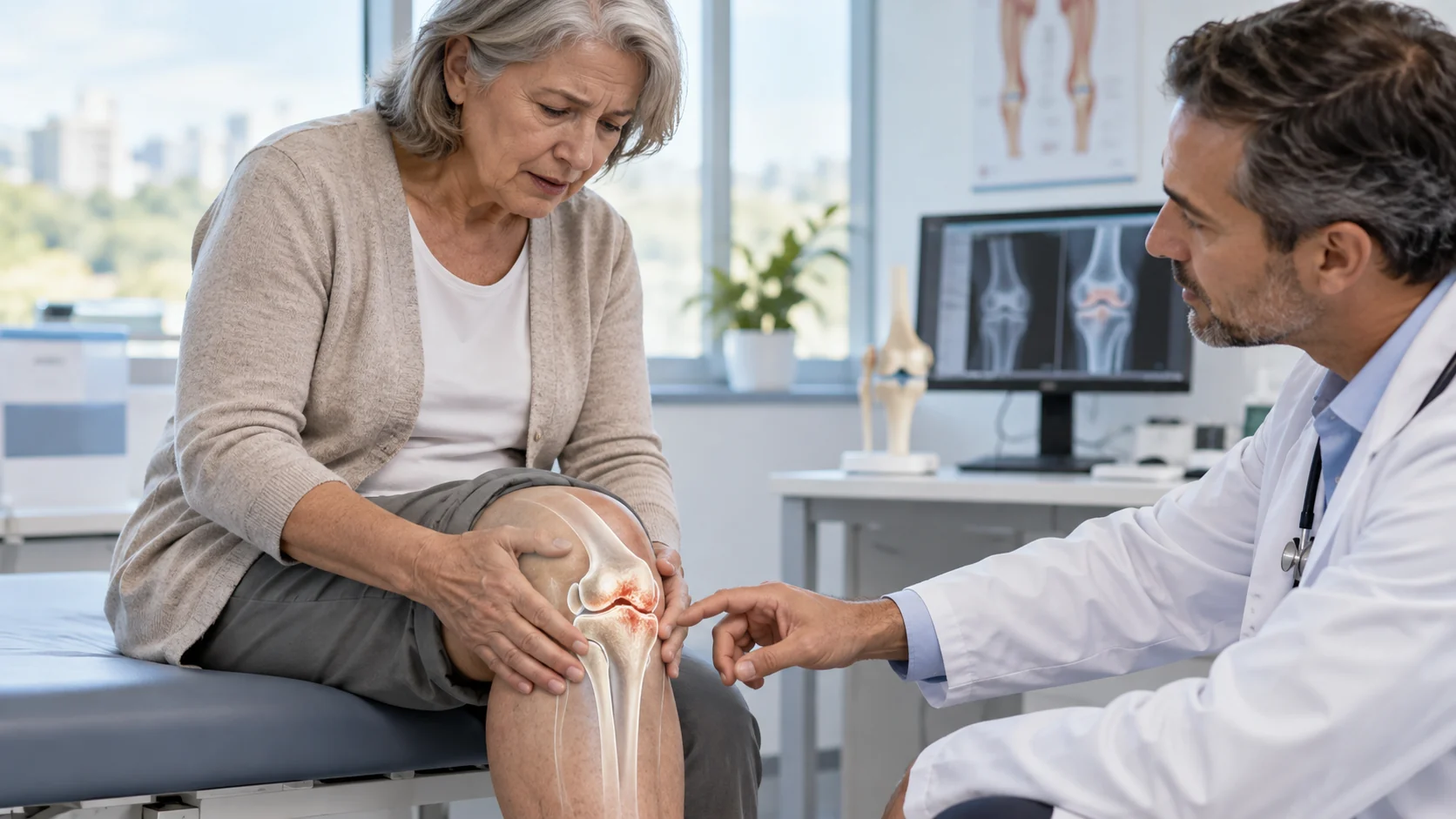 Knee Osteoarthritis
Pain, function, and intra-articular options
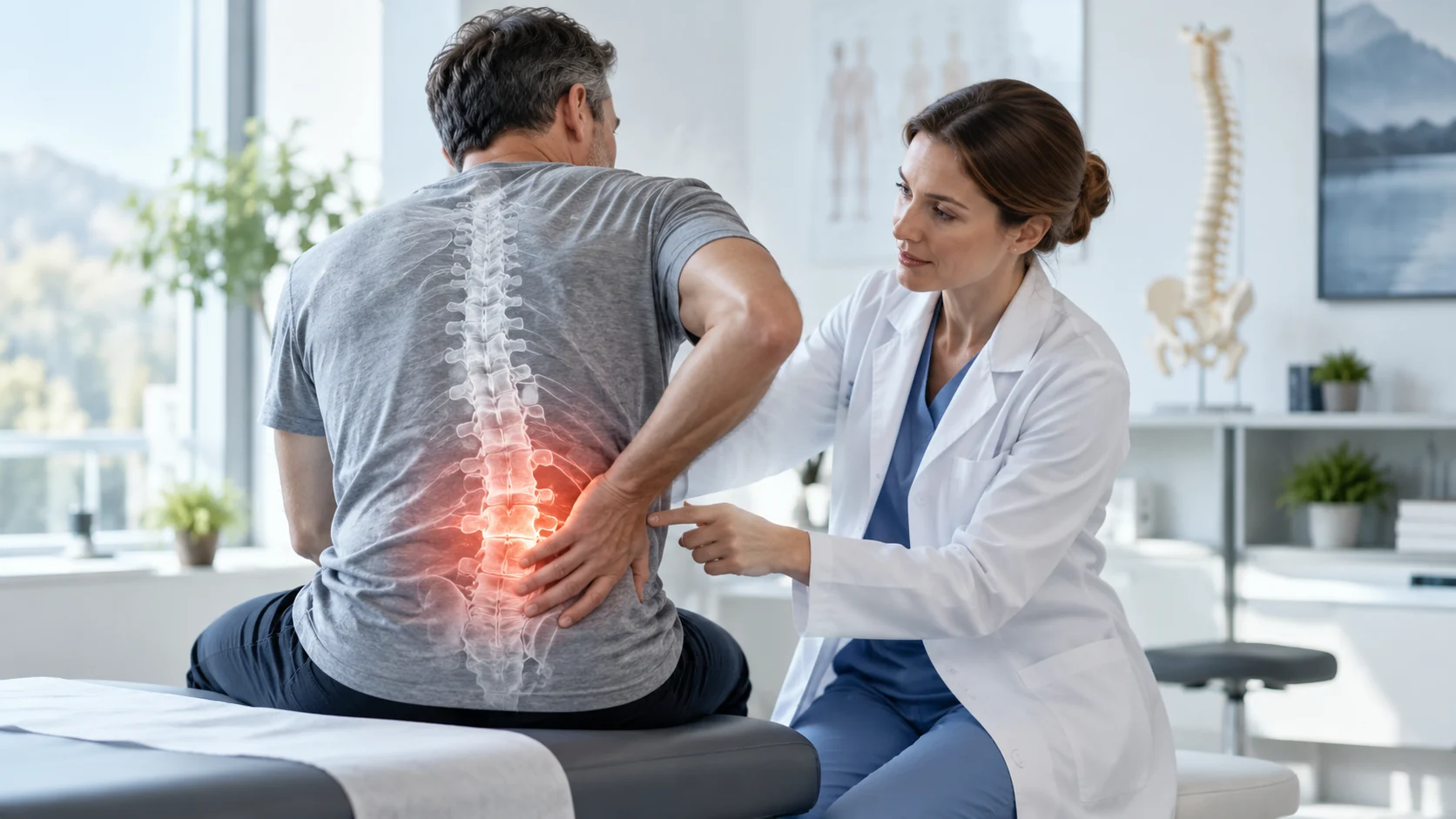 Low Back Pain and Herniated Disc
Paravertebral and advanced interventional approaches
 Fibromyalgia
Widespread pain, fatigue, and sleep
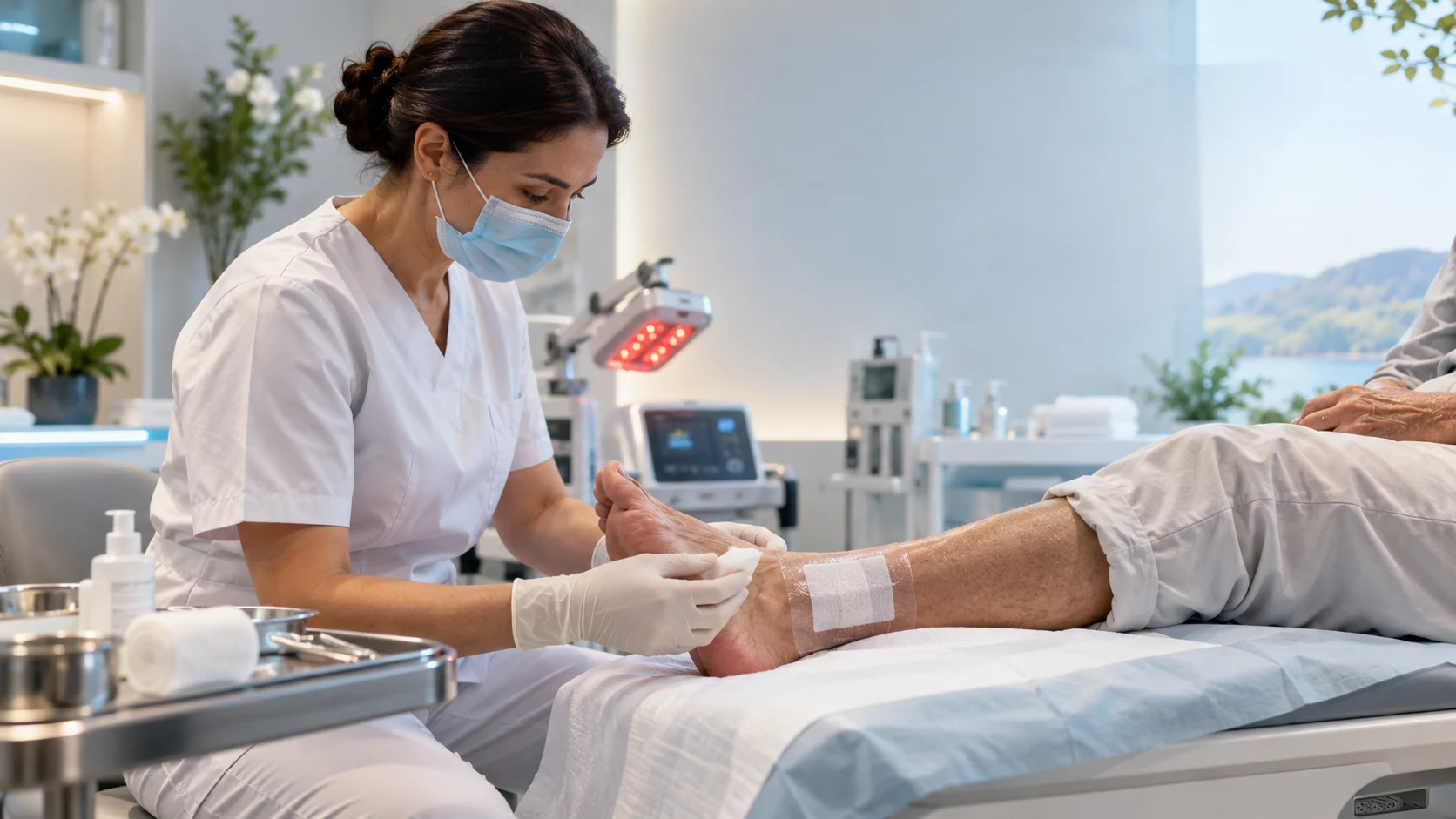 Diabetic Foot and Chronic Wound
Topical methods and standard wound care
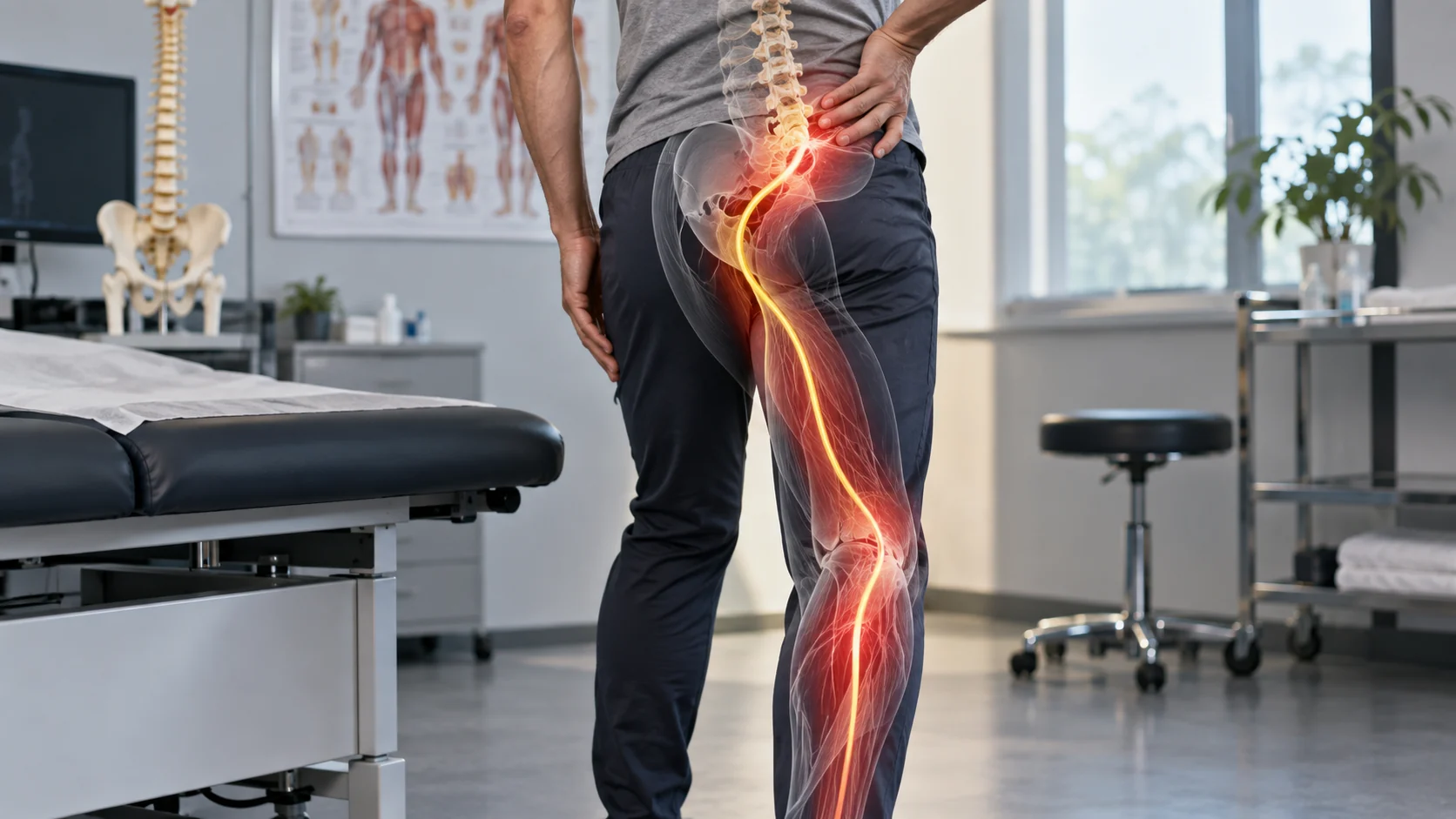 Sciatica and Neuropathic Pain
Nerve root and pain assessment
 Sexual Health
Evaluation alongside circulatory and metabolic factors
 Metabolic Health
Insulin resistance and general risk management
 Hair and Scalp
Complementary options in the hair strengthening plan
View all ozone–disease and clinical condition guides →
Key points
- The route of administration, dose, anatomical target, and level of evidence differ from one another.
- There are studies reporting positive clinical outcomes in musculoskeletal pain and certain joint applications.
- Research continues in systemic, metabolic, and regenerative areas of use; targets and expectations are evaluated separately according to the disease.
- Direct intravenous administration of ozone gas must not be performed due to the risk of gas embolism; major autohemotherapy is distinct from this.
Possible mechanisms
It is being investigated whether ozone can exert effects on redox signaling, antioxidant defense responses, inflammation-related pathways, and local circulation by generating a controlled oxidative stimulus. The clinical relevance of these mechanisms may vary depending on the disease, the route of administration, and the protocol used.
Our approach to ozone therapy and ozone treatment in Bodrum
In our Bodrum clinic, we do not plan ozone administration as a standalone “package treatment,” but rather determine its place within the individual’s diagnosis and goals through physician evaluation. When pain, wounds, metabolic complaints, or any other reason for consultation is present, the existing diagnosis, current medications, necessary tests, bleeding risk, cardiopulmonary status, and expectations are addressed first. For information on transportation, appointments, and preparing for the initial consultation, you can review the Bodrum Clinic page.
If eligibility is confirmed, the route of administration, dose/concentration, session frequency, and monitoring criteria are individualized. When necessary, it is planned in conjunction with pain management, rehabilitation, wound care, metabolic regulation, or other standard approaches.
During the initial evaluation for ozone therapy, the reason for consultation, existing diagnoses, current medications, and method-specific safety topics are reviewed together. For consultation and contact information at our Bodrum clinic, you can visit the appointment and contact page.
Safety
Risks vary according to the route of administration. Pain, bleeding, infection, and local tissue effects in injections; and risks associated with vascular access and anticoagulation in applications involving contact with blood are taken into account. Ozone gas is irritating to the respiratory tract and must not be inhaled. Advanced invasive applications require appropriate imaging, sterility, and separate informed consent.
Related content
Frequently asked questions
Are ozone therapy and major autohemotherapy the same thing?
No. Major autohemotherapy is one of the systemic administration methods of ozone therapy. The heading of ozone therapy also encompasses various methods such as minor autohemotherapy, rectal, local, intra-articular, paravertebral, and topical applications.
How many sessions of ozone therapy are administered?
There is no single standard number of sessions. Planning varies according to the route of administration, clinical goal, concomitant diseases, and the individual’s response to treatment. The number and frequency of sessions are determined after evaluation.
In which areas has ozone therapy been studied more?
Areas where human studies are relatively more concentrated include certain musculoskeletal pains, knee osteoarthritis, low back pain, and selected local tissue applications. In other areas of use, the scope and certainty of the evidence are more variable.
Is ozone therapy suitable for everyone?
No. When selecting the administration method, the individual’s diagnosis, current medications, bleeding risk, cardiopulmonary status, special conditions such as pregnancy, and method-specific contraindications must be evaluated.
How is the ozone administration route selected?
| Clinical goal | Evaluated administration route | Basic approach |
|---|---|---|
| Systemic support goal | Systemic methods such as major autohemotherapy | Indication, concomitant disease, and safety are evaluated together. |
| Joint / local musculoskeletal problem | Selected local or periarticular applications | Diagnosis, anatomical target, and rehabilitation plan take priority. |
| Wound / skin area | Local methods such as topical ozone, ozonated water, or oil | It does not replace standard wound care and infection control. |
Choosing the route of administration is based on selecting the method appropriate for the clinical goal rather than choosing the “stronger” one.
References
- Jeyaraman M, et al. Ozone therapy in musculoskeletal medicine: a comprehensive review. 2024. PMC
- de Araújo LT, et al. Medical Ozone as a Therapeutic Option in Musculoskeletal Pain Control: A Scope Review. 2024. PubMed
- de Andrade RR, et al. Effectiveness of ozone therapy compared to other therapies for low back pain: a systematic review with meta-analysis. PubMed
Written and medically reviewed by: Dr. Kerem Çağlayan
Last medical review: September 27, 2026
Image note: The page image is a representative clinical visual generated with artificial intelligence.
Warning: This content is general health information; it is not personal diagnostic or treatment advice.
Editorial and Medical Review Policy
How is the method selected in ozone administration?
| Clinical objective | Approach that can be evaluated | Note |
|---|---|---|
| Selected conditions requiring systemic support | Major autohemotherapy or an appropriate systemic method | Indication, comorbidities, and safety are prioritized. |
| Joint-origin pain | Intra-articular or regional approaches | Evaluated together with diagnosis, imaging, and other treatment options. |
| Wound / local tissue | Local methods such as topical ozone, ozonated water, or oil | Addressed not as a replacement for standard wound care, but as supportive when appropriate. |
| Low back and paravertebral pain | Paravertebral or selected interventional approaches | Disc, nerve root, and neurological findings must be differentiated. |
Clinical decision point: ozone is not a single protocol; the route of administration is selected according to the target tissue, indication, and safety conditions.
Clinical evaluation in Bodrum: you can use the Bodrum Clinic and Appointment and Contact pages to discuss whether the application is suitable for you.