
Bioresonance guides
Bioresonance is not a single type of application used for a single goal. The reason for seeking care may be habit management, smoking cessation, stress, certain chronic complaints, or personal health goals. This showcase brings together application areas and related clinical guides in one place.
Complementary options focused on emotional well-being are evaluated separately from bioresonance. Under this heading, you can access the guide we prepared for Bach Flower Therapy, explaining 38 flower essences, individualized selection, and the limits of scientific evidence.
Neurofeedback and brain performance
In addition to bioresonance applications, Neurofeedback is one of the complementary approaches we use, particularly in evaluating attention, focus, learning performance, stress management, sleep, and mental performance. An individualized Neurofeedback program can be planned using measurements that assess brain activity, such as QEEG. You can proceed to the detailed guide by selecting the topic that interests you.
 What Is Neurofeedback?
Application, level of evidence, and clinical approach.
 Attention and Concentration
Evaluation of learning and attention difficulties.
 Learning Performance
Academic performance and support options.
 AudioColor
Audiovisual feedback applications.
 HRV and Autonomic Balance
Biofeedback and the autonomic nervous system.
 Cognitive Support
Brain fog, focus, and nootropic evaluation.
Our approach to neurofeedback at our Bodrum clinic
We evaluate the neurofeedback plan together with QEEG/EEG findings and goals for sleep, attention, learning, and daily functioning. We address the treatment not as a stand-alone session approach, but together with the person’s symptoms, daily functioning, sleep-stress balance, and other clinical evaluations when necessary.
 Bodrum Bioresonance (Bioresonance) Main Guide
Treatment process, individual suitability, goal setting, and clinical approach.
 Smoking Cessation
Nicotine dependence, triggers, and a personalized quitting plan.
 Smoking and Bioresonance
Research on the supportive use of bioresonance in the smoking cessation process.
 Allergies and Bioresonance
Allergic symptoms, triggers, and a complementary assessment approach.
 Weight and Appetite Management
Eating behavior, habits, metabolic health, and a supportive approach.
 Fibromyalgia and Pain
A holistic plan that addresses pain, sleep, fatigue, and quality of life together.
For what goals can bioresonance be considered?
A treatment plan is not automatically created based on a disease name. It is important for the clinical goal to be clear, for the person’s current treatments to be known, and for changes after sessions to be monitored as measurably as possible.
Habit and Addiction ManagementSmoking cessation, trigger control, and tracking behavioral goals.
 Stress and Mood
Evaluation of goals for sleep, stress burden, daily functioning, and well-being.
Nutrition and Weight ControlAddressing appetite, eating behavior, sleep, and metabolic goals within the same plan.
 Metabolic Health
Lifestyle, glycemic monitoring, and a personal framework for complementary practices.
Pain, Sleep, and FatigueEvaluating the pain-fatigue-sleep cycle as a whole rather than a single symptom.
 Persistent Symptoms and Recovery
Personalization of goals for fatigue, sleep, exercise tolerance, and quality of life.
Human studies and evidence map
We present the bioresonance literature by study design rather than with a single “effective/ineffective” label. The guides below examine randomized studies, sham/placebo-controlled studies, observational data, and negative diagnostic studies separately.
 EVIDENCE MAP
Bioresonance Human Studies
A comparison of studies on smoking, depression, diabetes, thyroid, pain, IBS, athletes, and negative studies in a single table.
 RCT · n=75
Knee Osteoarthritis and Gonarthrosis
Clinical and arthrosonographic outcomes of bioresonance added to standard treatment.
 DOUBLE-BLIND · SHAM
Neck Pain and Rayocomp
NDI, VAS, and safety design of the double-blind study registered in Germany.
 3 GROUPS · n=50
Hypothyroidism and Bioresonance
A comparison of active and sham bioresonance added to standard hormone replacement.
 PLACEBO · n=60
Overtraining and Athlete Recovery
Autonomic nervous system, heart rhythm, and blood pressure parameters.
 CONTROLLED + MECHANISTIC
Rheumatic Diseases
A small controlled study and biological measurements in rheumatoid arthritis.
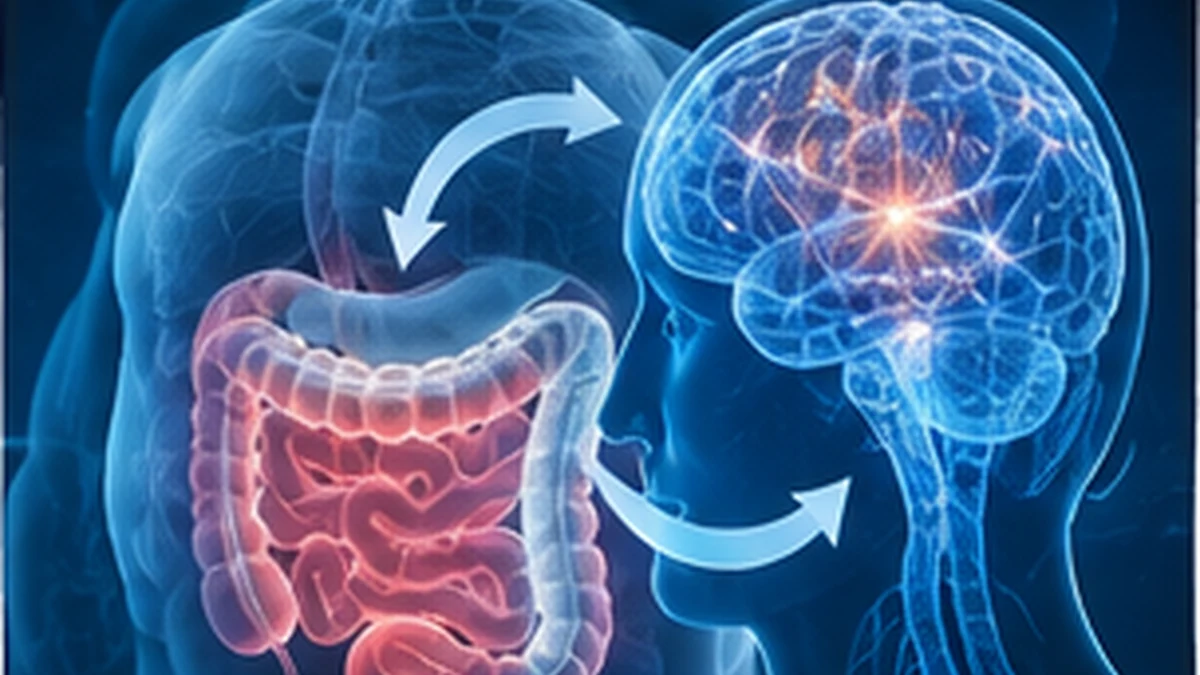
The gut-brain axis and functional complaints
 RANDOMIZED · PLACEBO · n=20
Functional Gastrointestinal Complaints
Symptom frequency, stomach pain, and meteorism in the 2006 MORA study.
 2024 PILOT · n=20
IBS + Chronic Low Back Pain
A recent pilot study using the Bristol stool scale, fecal calprotectin, and SF-36.
Biophysics, diagnostic accuracy, and scientific limits
 BASIC SCIENCE
Biophotons and UPE
Whether the human body really emits ultra-weak photons and the actual relationship of this to bioresonance.
 DOUBLE-BLIND DIAGNOSTIC STUDY
Allergy Testing and Food Intolerance
Electrodermal testing, hair tests, skin prick/specific IgE, and what each result means.
Devices and clinical evaluation
We treat data obtained from bioresonance devices not as a basis for assigning a disease label on its own, but as complementary information interpreted alongside the person’s history, symptoms, and goals. When necessary, validated laboratory testing, imaging, or specialist evaluation is included in the plan.
 Test Expert Plus
The device’s technical approach, manufacturer-defined areas of use, and clinical interpretation.
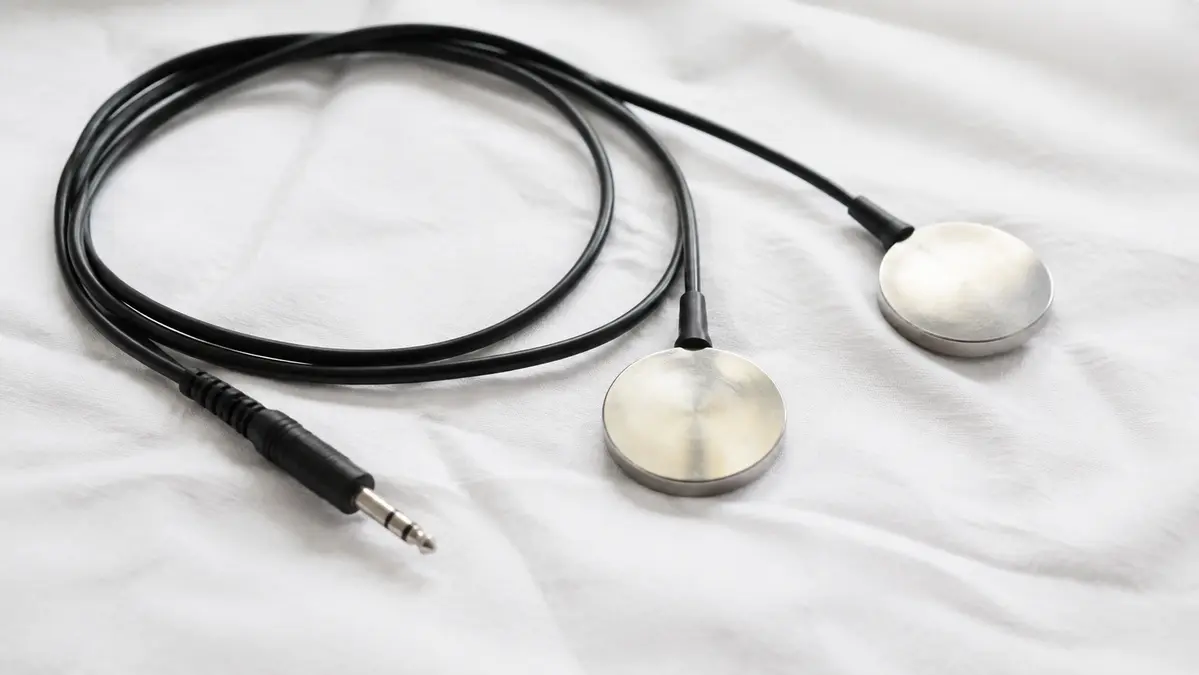 Med Select
Bioresonance programs and an application approach based on personal goals.
 Med Matrix
Combined application system, technical specifications, and framework for clinical use.
 In-Depth Analysis and Clinical Context
Evaluating device data alongside medical history, examination, and other measurements.
How do we plan a session?
We set a measurable goal for smoking cessation, stress, sleep, appetite, or another concern.
Existing diagnoses, medications, laboratory tests, sleep, nutrition, and lifestyle are considered together.
The program to be used, the session process, and follow-up are adjusted according to the goal and the person’s response.
Alongside subjective symptoms, changes in behavioral and clinical measures are monitored whenever possible.
Our approach at our Bodrum clinic
We approach bioresonance not as a stand-alone device session, but as part of the person’s overall clinical evaluation. Particularly in smoking cessation and habit management, behavioral support, pharmacological options when necessary, and regular follow-up can be considered within the same plan. For chronic symptoms, the aim is to monitor symptoms, the sleep-stress cycle, metabolic status, and daily functioning together.
Explore the main bioresonance guide →
Evaluation in Bodrum: you can visit the Bodrum Clinic page for individual suitability of applications and clinical planning, and the Appointments and Contact section for appointments.