

Who may it be considered for?
It may be considered for adults who aim to age healthily, want to identify their metabolic or cardiovascular risks early, seek to maintain their muscle strength and endurance, or want to create a long-term health plan that accounts for their existing diseases.
How is it planned?
The plan is developed using age, family history, existing diseases, body composition, muscle strength, cardiorespiratory fitness, sleep, metabolic markers, and lifestyle data. The priority is to reduce measurable risks and preserve function; tests and supportive measures are selected according to individual needs.
Longevity and healthy aging showcase
Healthy aging does not consist of a single test or intervention. By selecting your area of interest, you can explore measurement, risk assessment, and support options in detail.
 Biological Age
PhenoAge, GrimAge, and epigenetic clocks
 VO₂max
Cardiorespiratory fitness and endurance
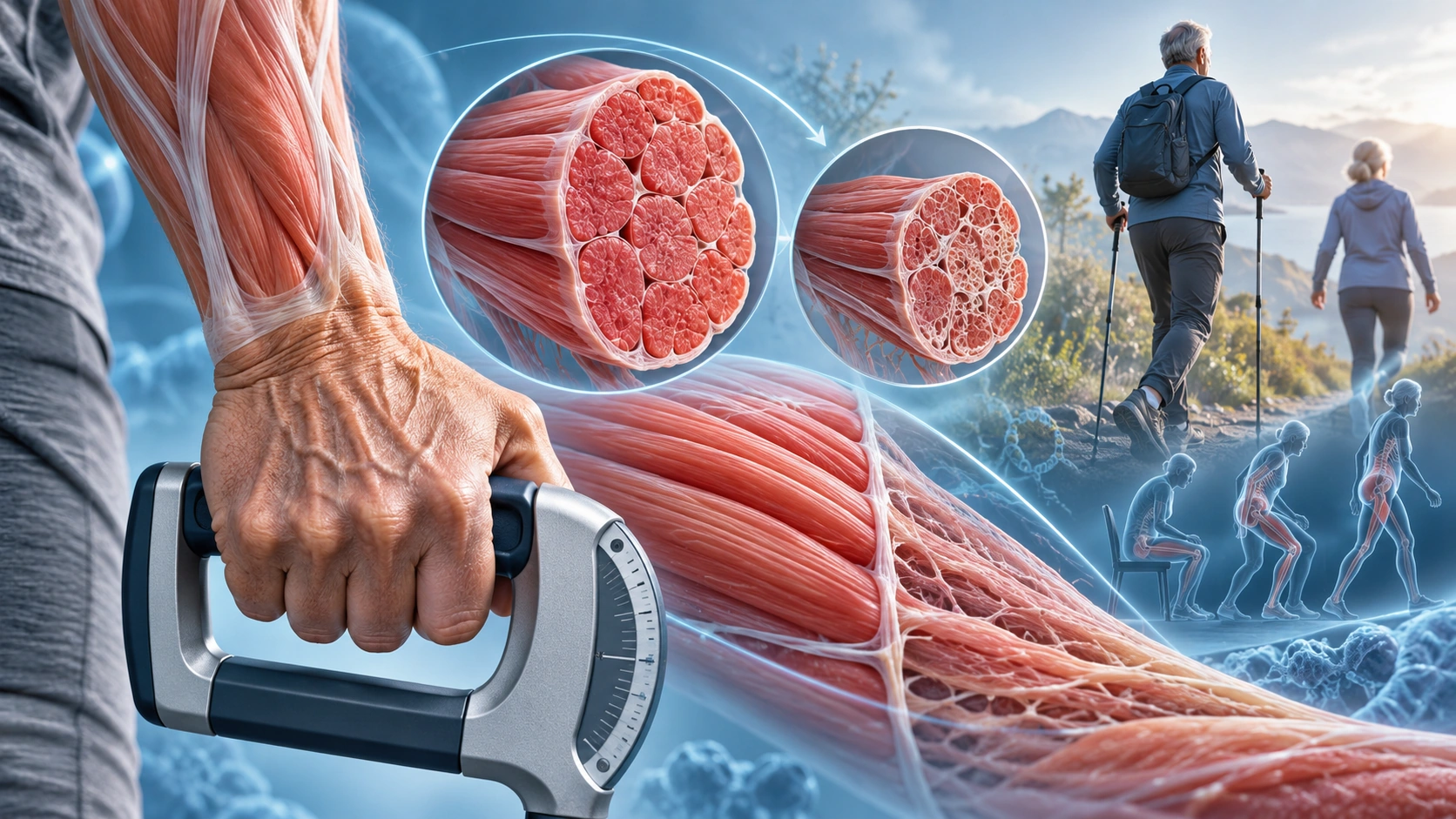 Muscle Strength and Sarcopenia
Handgrip, muscle mass, and functionality
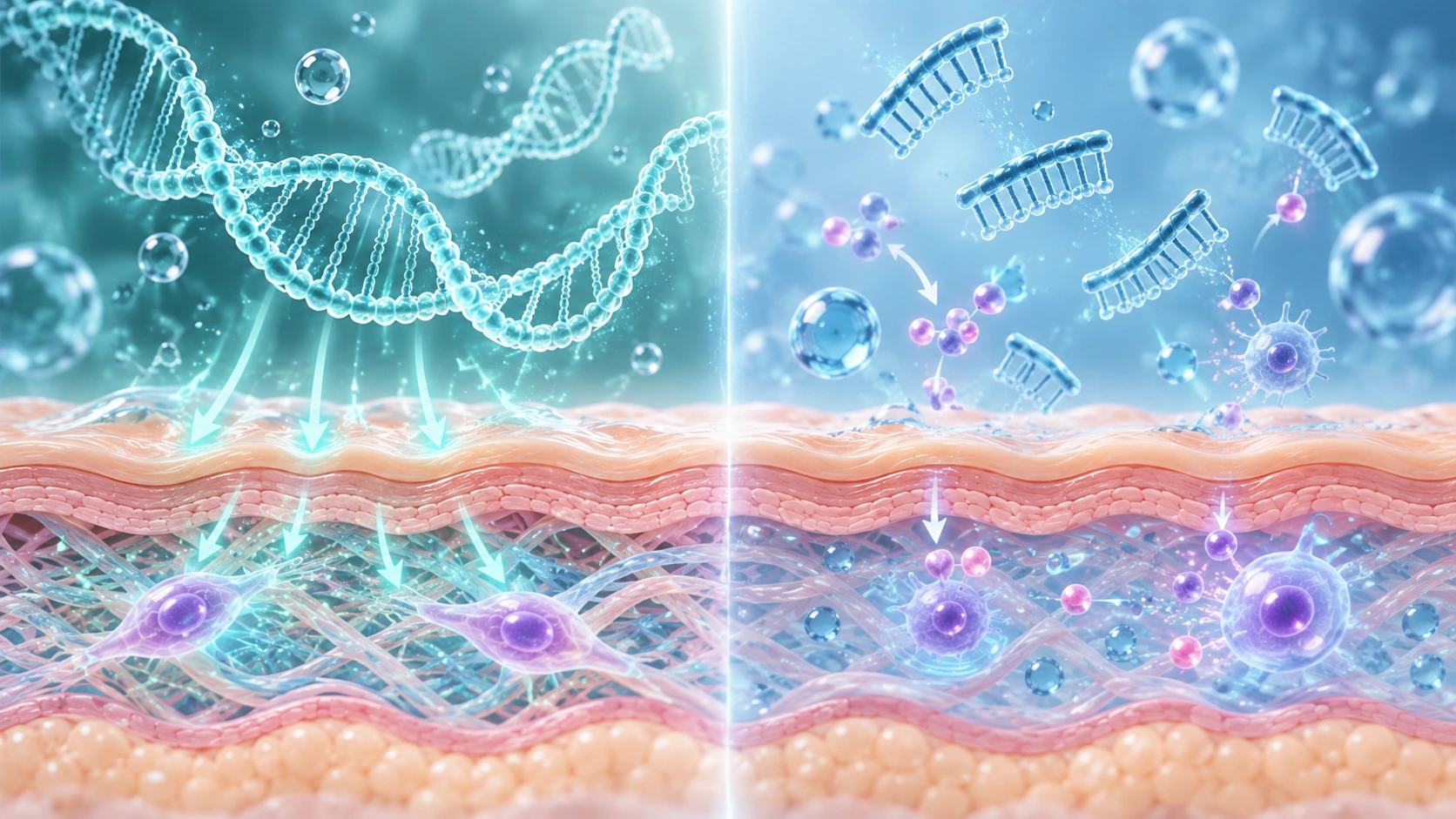 HRV
HRVAutonomic balance, stress, and recovery
 Vascular Age / PWV
Arterial stiffness and cardiovascular risk
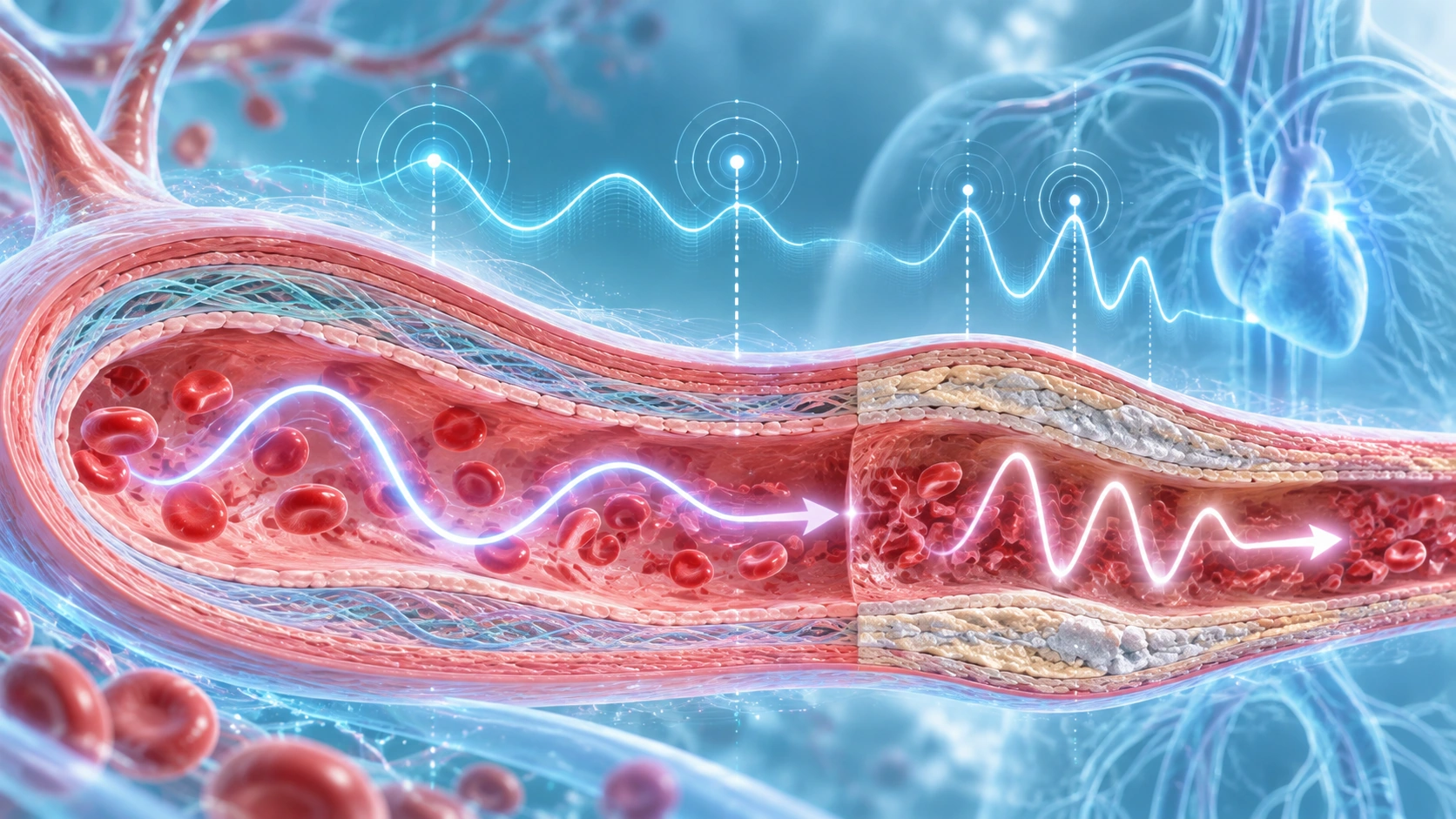 Sleep
SleepSleep quality, apnea, and recovery
 Brain Health
Cognitive aging and risk reduction
 Balance and Fall Risk
Independence and physical capacity
Metabolic and hormonal health
 Weight Management
Body composition and a sustainable metabolic plan
 Insulin Resistance
Glucose, TG/HDL, waist circumference, and metabolic risk
 Testosterone and Men’s Health
Hormonal evaluation and healthy aging
 Sexual Health
Circulatory, metabolic, and hormonal factors
New and supportive longevity approaches
 NAD+
NAD+Energy metabolism and clinical research
 Mitochondrial Support
Energy metabolism and individual evaluation
 Peptide Applications
Molecules, level of evidence, and safety
 Red Light / PBM
Recovery, muscle and tissue health
 IV and Infusion Applications
Intravenous support based on deficiencies and goals
New areas of measurement in longevity assessment
Without reducing the healthy aging plan to a single test or supplement, we address it in terms of measurable risk, function, and follow-up.
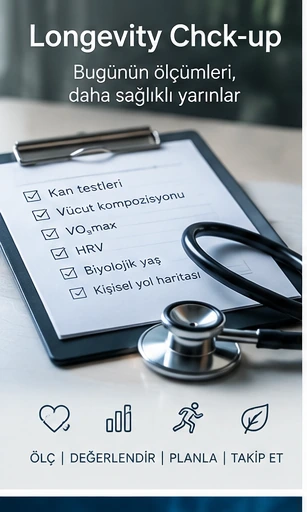 Longevity Check-up
Comprehensive assessment of muscular, cardiovascular, metabolic, and cognitive risks
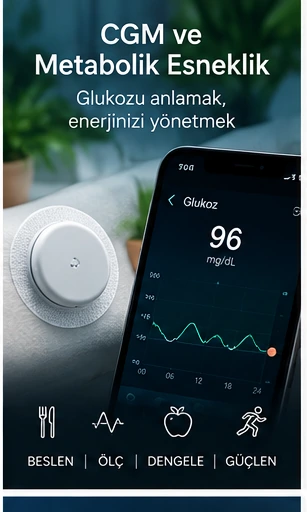 CGM and Metabolic Flexibility
The relationship between glucose responses, meals, sleep, and movement
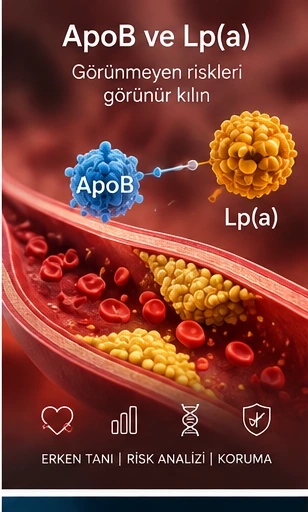 ApoB and Lp(a)
Atherogenic particle burden and inherited cardiovascular risk
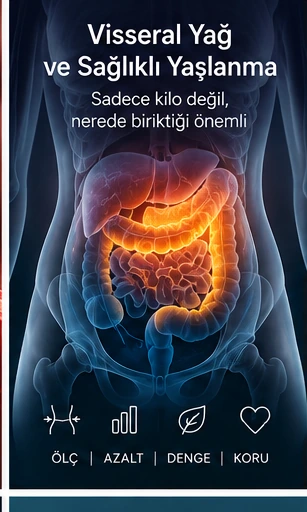 Visceral Fat
Waist circumference, body composition, and metabolic risk
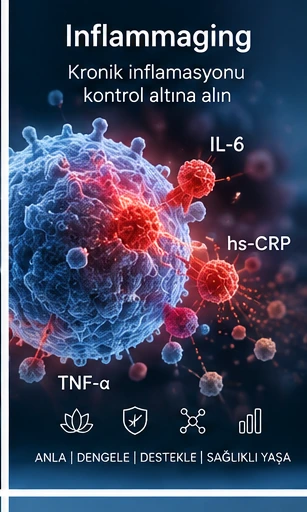 Inflammaging
Chronic low-grade inflammation and healthy aging
 Mitochondrial Health
Energy metabolism, exercise, and recovery
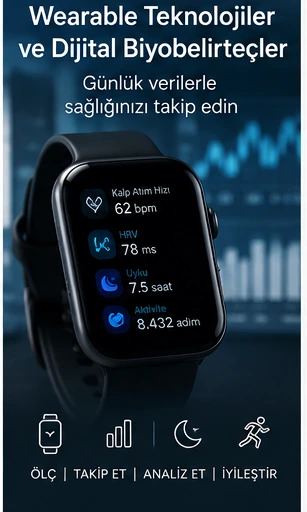 Wearables and Digital Biomarkers
HRV, sleep, resting heart rate, and activity trends
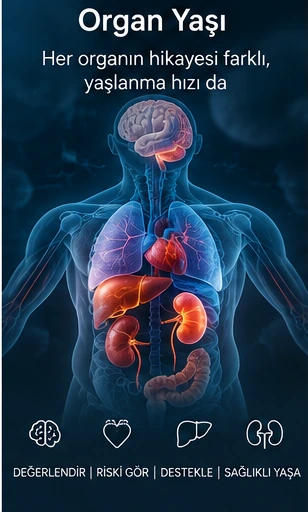 Organ Age
Different aging patterns of the heart, brain, muscles, and metabolic systems
 Creatine
Muscle strength, exercise, and healthy aging
 Omega-3 Index
EPA, DHA, and cardiometabolic assessment
Where do detox and IV / infusion treatments fit into a Longevity plan?
We approach detox and intravenous support not as standalone “rejuvenation treatments,” but as supportive areas that can be added to a Longevity plan according to the individual’s clinical needs. The priority is always sleep, movement, muscle strength, metabolic risk, nutrition, and a preventive health approach.
 Detox and Natural Elimination Systems
Personalized evaluation centered on the liver, kidneys, intestines, exposure history, and lifestyle.
IV and Infusion TreatmentsEvaluation of NAD+, glutathione, vitamins, minerals, and other intravenous support based on deficiency, clinical need, and goals.
Key areas in healthy aging
The strongest foundation is regular movement, muscle strength, cardiorespiratory fitness, balanced nutrition, adequate sleep, not using tobacco, and good management of cardiometabolic risks. Measurements such as biological age, HRV, VO₂max, and PWV can provide additional information within this picture; their main value lies in helping track change over time.
Our approach at our Bodrum clinic
Our first question is not “how many years younger do you want to become?”; it is which functions you want to preserve, which health risk you want to reduce, and what you want to do better in daily life. We select measurements according to these goals, record baseline values under conditions that are as standardized as possible, and track change over time.
We keep the plan as simple, measurable, and sustainable as possible. When new technologies, supplements, and treatments come up, we evaluate them in terms of the current level of research, potential contribution, cost, and safety.
Frequently asked questions
What is the goal of the Longevity program?
The goal is not only to live longer, but to preserve muscle strength, movement, cognitive function, and metabolic health for as long as possible.
Can there be a longevity program without using supplements?
Yes. Movement, sleep, nutrition, not using tobacco, cardiometabolic control, and preventive health practices form the foundation of the program.
Is biological age testing necessary?
It is not necessary for everyone. Some tests may be useful for monitoring; what matters most is whether the result actually changes the clinical plan.
How are priorities determined in a Longevity program?
| Step | Priority | Examples |
|---|---|---|
| 1 | Core risks and function | Blood pressure, glucose, lipids, body composition, muscle strength, cardiorespiratory capacity |
| 2 | Lifestyle foundation | Exercise, sleep, nutrition, not using tobacco, stress, and social health |
| 3 | Deficiency and disease management | Laboratory-confirmed deficiencies and personal disease risks |
| 4 | Targeted support | Selected support or technologies when there is evidence, safety, and a measurable goal |
| 5 | Experimental / emerging areas | Evaluated with an open discussion of the level of evidence and unknowns |
In the Longevity approach, a new or expensive intervention does not take precedence over basic risk management.
References
- World Health Organization. Healthy ageing and functional ability.
- World Health Organization. Integrated care for older people (ICOPE).
- Lang JJ, et al. Cardiorespiratory fitness and health outcomes. Br J Sports Med. 2024. PMID: 38599681.
- Lim SK, et al. Standardized Measurement of Muscle Strength and Physical Performance for Sarcopenia. 2025. PMID: 40495280.
Written and medically reviewed by: Dr. Kerem Çağlayan
Last medical review: 27 September 2026
Image note: The page image is a representative image generated with artificial intelligence.
Disclaimer: This content is general health information; it is not a personal diagnosis or treatment recommendation.
Editorial and Medical Review Policy
Clinical evaluation in Bodrum: you can use the Bodrum Clinic and Appointments and Contact pages to discuss whether the procedure is suitable for you.