
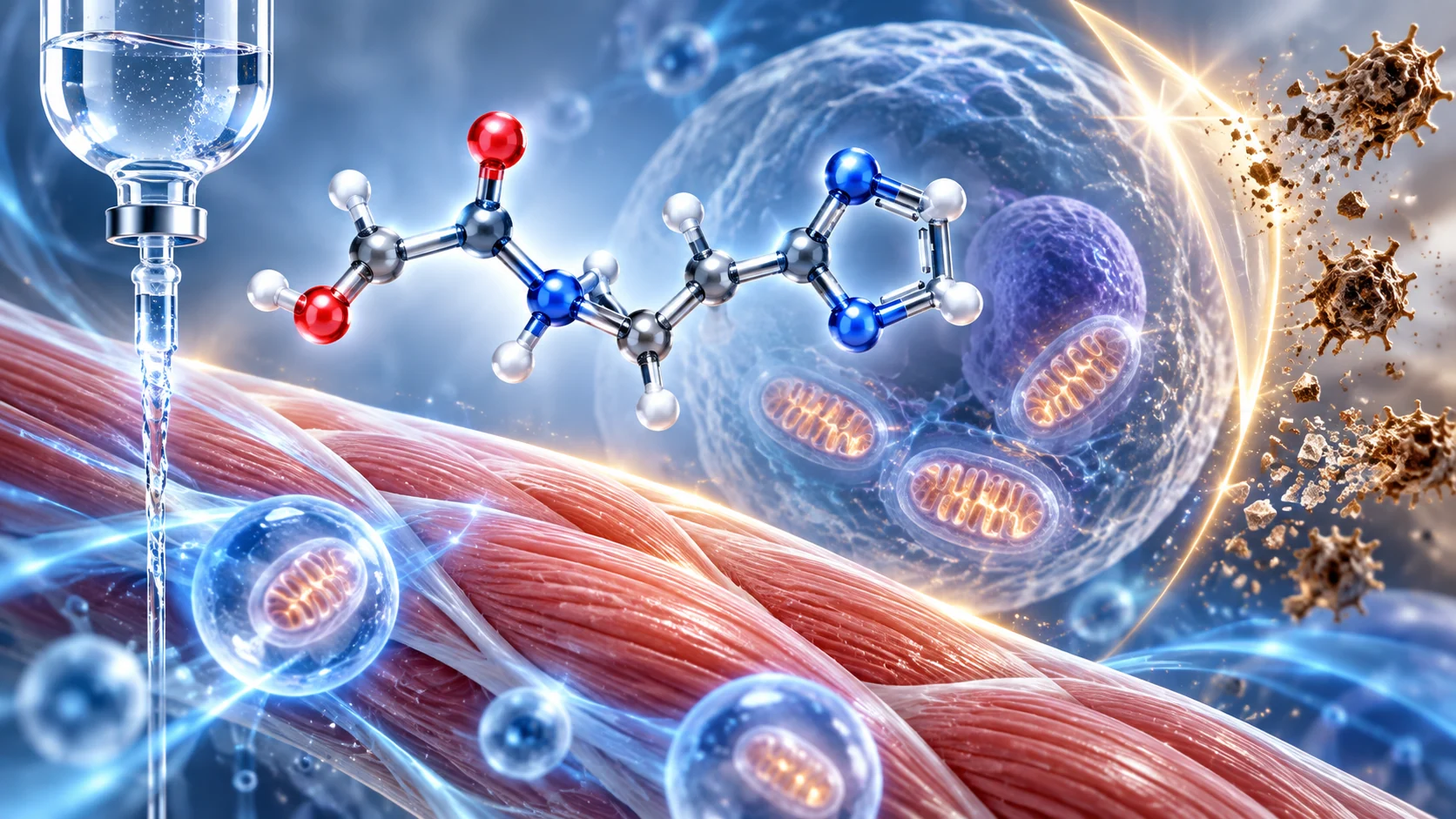
Recent scientific research
This showcase automatically lists the latest content in the Recent Scientific Research category. When new research is published, it appears here without the need to manually add cards.
-

Nikotin Bir Longevity veya Odaklanma ‘Biohack’i mi? Kanıtlar Ne Söylüyor?
Sosyal medyada nikotinin odaklanma ve longevity için kullanılabileceği iddiaları yaygınlaşıyor. Güncel insan verileri, kısa süreli bilişsel etkiler ile bağımlılık ve uzun dönem sağlık sonuçlarını…
-

Akıllı Saatler Kalori Harcamasını Ne Kadar Doğru Ölçüyor?
PLOS ONE çalışması Apple Watch, Garmin, Samsung ve Fitbit’in fiziksel aktivite enerji harcaması tahminlerini COSMED K5 indirekt kalorimetriyle karşılaştırdı. Medyan mutlak yüzde hata yaklaşık…
-

Otoimmün Hastalıklarda CAR-T: Miv-cel ile 12 Aylık Yeni Klinik Veriler
Kyverna 24 Eylül 2026’da miv-cel için stiff person syndrome’da 26 hastalık 12 aylık, jeneralize myastenia gravis’te 7 hastalık uzun dönem Faz II verilerini açıkladı.…
-

PCOS’ta MOTS-c Düşüklüğü: Mitokondriyal Peptit Biyolojisi Ne Anlatıyor?
Scientific Reports çalışmasında 40 PCOS’lu kadın ve 40 eşleştirilmiş kontrolde serum MOTS-c düzeyleri daha düşük bulundu; kas biyopsisi alt grubunda da aynı yönde fark…
-
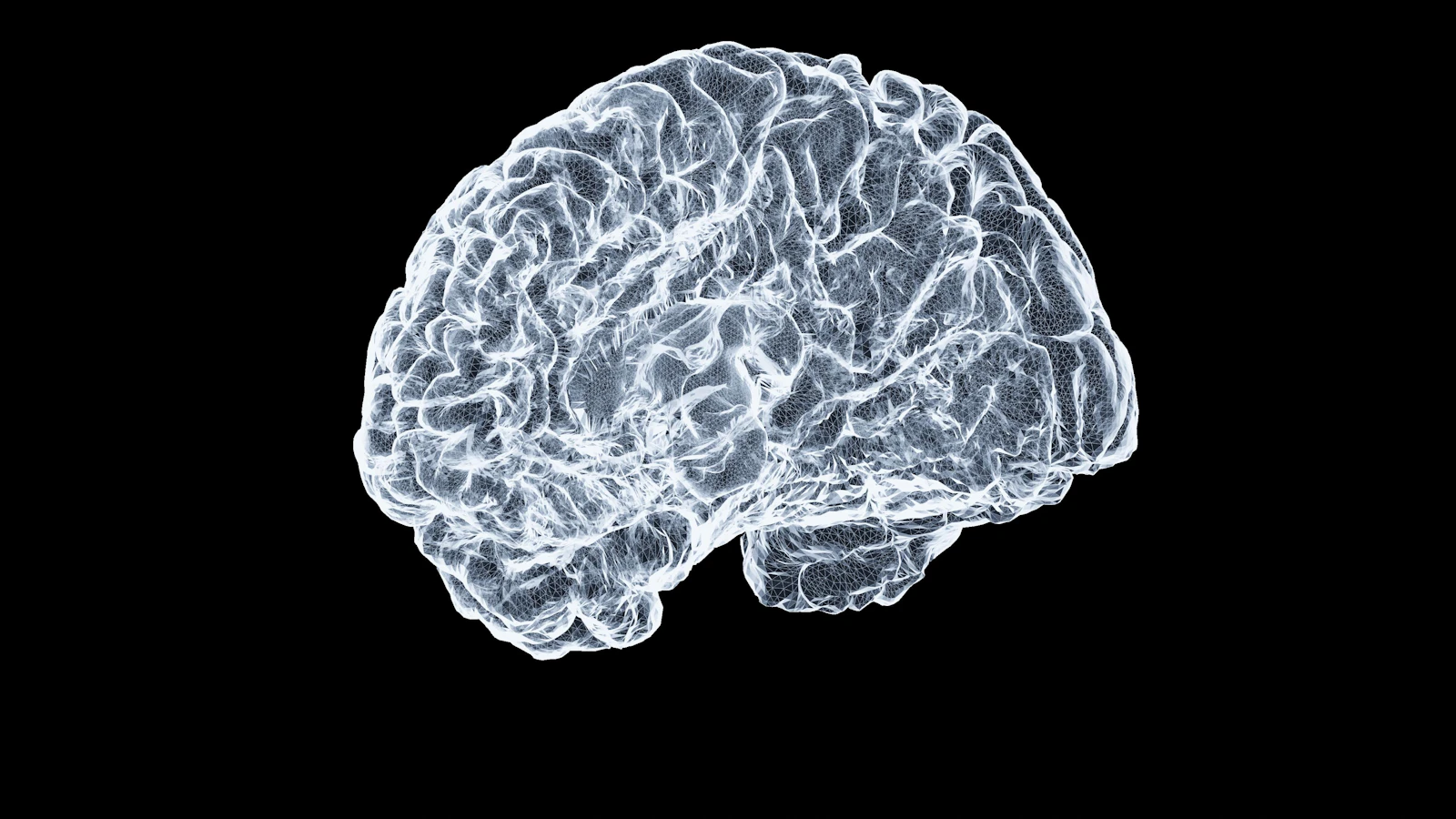
Alzheimer’da Gizli Protein Katmanı: Yaşlanan İnsan Beyninde 1.067 Microprotein
Nature Aging’de 14 Eylül 2026’da yayımlanan geniş proteogenomik atlas, insan frontal korteksinde referans protein veritabanlarında bulunmayan 1.067 microprotein tanımladı.
-

Obezitede NLRP3 İnflammazomu: Nükleotid Metabolizması Kronik İnflamasyonu Nasıl Besliyor?
Science’ta 15 Ocak 2026’da yayımlanan çalışma, obezitede SAMHD1–dNTP–mitokondriyal DNA ekseninin NLRP3 inflammazom hiperaktivasyonuna nasıl katkıda bulunduğunu gösteriyor.
-
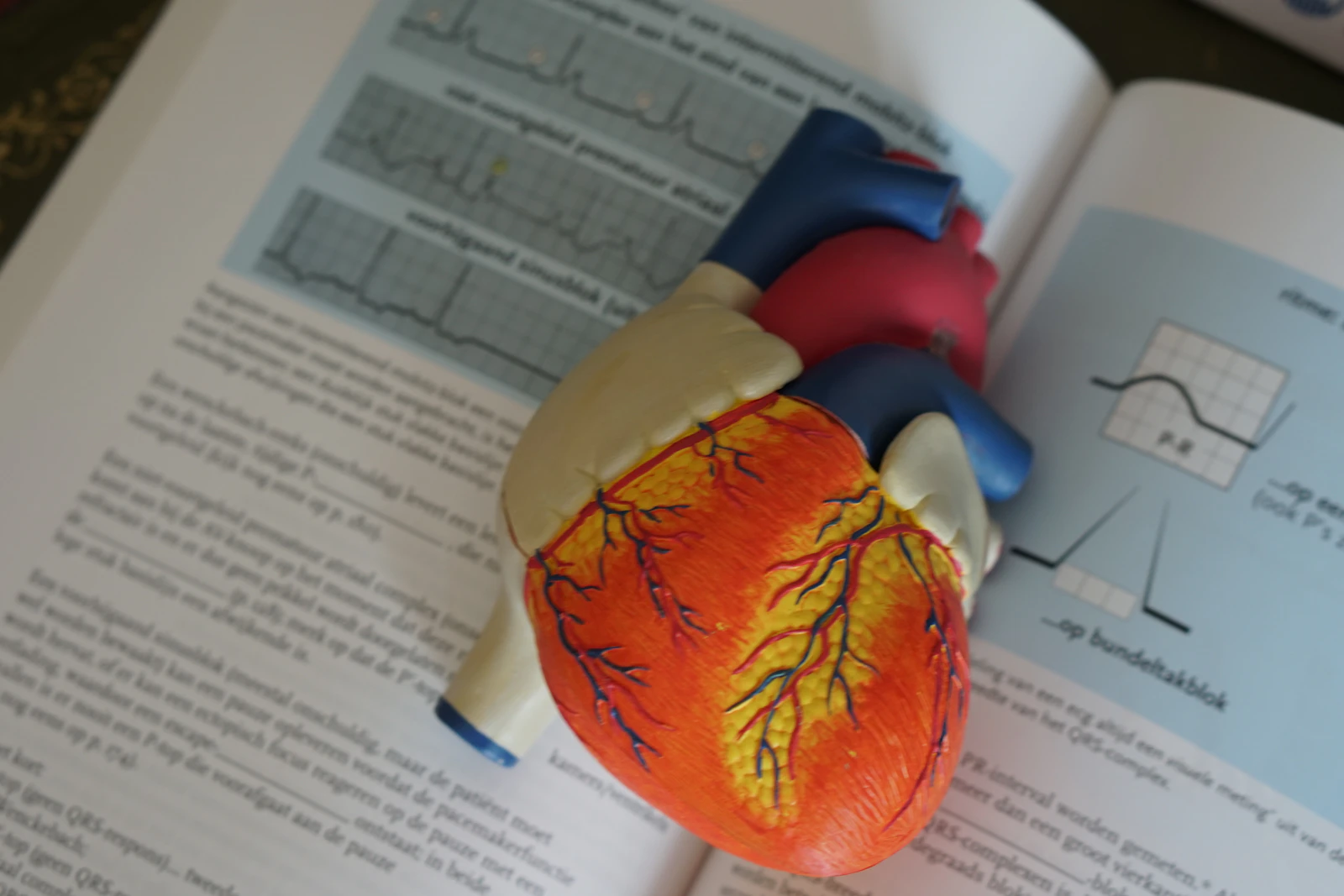
Kalp–Böbrek–Metabolizma Ekseni: CKM Sendromu Bir Mitokondriyal Sistem Bozukluğu mu?
Nature Reviews Nephrology’de 24 Eylül 2026’da yayımlanan derleme, kardiyovasküler–böbrek–metabolik sendromu mitokondriyal disfonksiyon ve organlar arası sinyalleşme üzerinden yeniden çerçeveliyor.
-

Semaglutid Yaşam Süresini Uzattı mı? Nature’daki Geç Yaş Fare Çalışması
Nature’da 2 Eylül 2026’da yayımlanan çalışmada, 20 aylık dişi farelerde geç yaşta başlanan semaglutid fizyolojik yaşlanma göstergelerini iyileştirdi ve medyan yaşam süresini uzattı. Bulguların…
-

Gece Bacak Kramplarında K2 Vitamini: Randomize Çalışma Ne Gösterdi?
JAMA Internal Medicine’da yayımlanan randomize klinik çalışma, 65 yaş üzerindeki bireylerde günlük 180 µg MK-7 kullanımının gece bacak kramplarının sıklığını, şiddetini ve süresini azaltabileceğini…
-
30 Günde Cilt 16 Yıl Gençleşti mi? Quinoa Bioester ve Deri Proteomik Yaşı Çalışması
2026 Communications Biology çalışması, quinoa bioester uygulamasının özellikle 50 yaş üzerindeki kadınlarda deri proteomunu daha genç yaşlarla ilişkili bir profile kaydırdığını bildirdi. 16 yıllık…
-

Vitamin D, Omega-3 ve Bilişsel Yaşlanma: Daha Yüksek Doz Her Zaman Daha İyi mi?
2026’daki iki gözlemsel çalışma, normal vitamin D düzeyi olan yaşlılarda ek vitamin D kullanımının ve ADNI kohortunda omega-3 takviyesinin daha hızlı bilişsel gerilemeyle ilişkili…
-

Peptit Doz Tabloları Neden Klinik Reçete Değildir? 2026 Araştırma Kaynaklarına Eleştirel Bakış
NinjAthlete gibi platformlar BPC-157, TB-500, GHK-Cu, KPV, retatrutide ve diğer peptitler için araştırma temelli doz tabloları yayımlıyor. Bu tabloların kendisi klinik kılavuz veya reçete…
Research areas
We group content not only by disease name, but also by biological mechanism and clinical question.
Senescence, inflammaging, immune aging, and healthspan.Stem Cells and Regenerative Medicine
iPSCs, tissue repair, and the role of regenerative approaches in human studies.Brain, Mitochondria, and Neurodegeneration
Energy metabolism, mitophagy, lysosomes, and mechanisms of neurological disease.Women’s Health and Biological Aging
Reproductive aging, hormones, metabolic signaling, and lifestyle research.Immunity and Longevity
Immune aging, adaptive immunity, and exceptional longevity phenotypes.Pain, Sleep, and the Neuroendocrine System
New data on pain biology, sleep regulators, and clinical outcomes.
How do we evaluate a study?
Just because a study is published does not mean its findings can automatically be translated into clinical practice. We read every study through the following layers.
Randomized trials, observational data, early-phase studies, animal models, or cell studies are distinguished from one another.
Whether mechanistic or preclinical findings have been validated in humans is specifically noted.
Not only statistical significance, but also the magnitude of the effect and its clinical relevance are evaluated.
Adverse effects, contraindications, study duration, and follow-up inadequacies are assessed alongside the results.
Sample size, follow-up duration, selection bias, and the limits of causality are visibly reported.
Whether the finding currently represents standard of care, an adjunctive approach, or merely a research hypothesis is delineated.
From science to clinical knowledge
Rather than converting findings on research pages directly into treatment promises, we link them with medical encyclopedia entries and clinical practice guidelines. This allows the reader to follow a study’s biological mechanism, clinical significance, and place in current practice within the same knowledge network.
Explore mechanisms, molecules, and clinical concepts in detail.Treatments and Applications
Proceed to frameworks for evidence, eligibility, safety, and clinical use.Clinical Evaluation
See how scientific data is integrated into individualized medical evaluation.
Our editorial approach
Our goal is to identify new and noteworthy medical developments early, without presenting a preclinical finding as a human treatment, a small study as definitive proof, or a statistical correlation as causation. In research articles, study type, primary outcome, effect size, limitations, clinical commentary, and DOI/PubMed links are provided together whenever possible.
Sourcing and medical review
For source selection, levels of evidence, the Trust Index, and updating and correction principles regarding scientific research content, you can review our Editorial and Medical Review Policy.