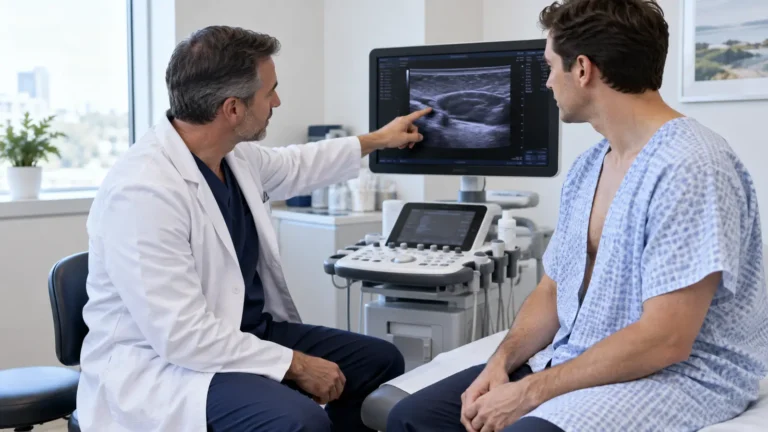

Which questions does the evaluation begin with?
- What is the primary complaint and goal?
- Are there any findings suggestive of an urgent or serious disease?
- What diagnoses were previously made, and what treatments were tried?
- What are the current medications, supplements, and potential interactions?
- How do sleep, nutrition, physical activity, stress, and social circumstances affect the complaint?
- Which outcome is measurable and truly meaningful to the individual?
Evaluation areas
Pain and function
The duration and location of pain, neurological symptoms, mobility capacity, sleep, and psychosocial factors are addressed together. The goal is to create a plan aimed at improving daily function, not just the pain score.
Metabolic health and weight management
Weight alone is not a diagnosis. Blood pressure, waist circumference, glucose metabolism, lipids, liver health, sleep apnea risk, eating behavior, and current medications are evaluated. Instead of quick results or fixed session packages, sustainable and measurable goals are established.
Healthy aging / longevity
Instead of the promise of “reversing aging,” a risk-reduction approach based on cardiometabolic risk, muscle strength, sleep, vaccinations, cancer screenings, bone health, cognitive health, and lifestyle is used.
Sleep, stress, and cognitive performance
Without differentiating between sleep disorders, depression, anxiety, ADHD, medication effects, and living conditions, referrals to a single device or application are not made. If complementary emotional support options are being considered, we also address approaches such as Bach Flower Therapy under a separate heading, clearly stating the level of evidence and limitations.
Aesthetic and energy-based procedures
The individual’s expectations, skin/tissue structure, medical history, current medications, and potential risks are evaluated. Results are not guaranteed; for interventional procedures, potential benefits, alternatives, the recovery process, and complications are clearly discussed.
Approach to the concept of “detox”
The liver, kidneys, lungs, and gastrointestinal system play a role in processing waste products in normal physiology. There is no strong clinical evidence supporting the vague “toxin cleansing” claims found in marketing language. If there is suspected exposure or poisoning, the approach is identification of the agent and appropriate medical evaluation.
How is the plan created?
- The problem and goal are defined.
- Red flags and standard diagnostic requirements are evaluated.
- Options with strong, moderate, and limited evidence are differentiated.
- The individual’s preferences, cost-time burden, and risk tolerance are discussed.
- Measurable follow-up indicators and a reassessment date are determined.
Frequently asked questions
Why are pre-made packages not offered?
Because a fixed package can increase the risk of unnecessary procedures and may overlook individual medical differences.
Is a procedure performed during the initial consultation?
Not always. The primary purpose of the initial consultation is to determine the correct problem and safe options.
Are supplements or IV infusions recommended for everyone?
Routine recommendations are not made without assessing deficiency, clinical goals, drug interactions, and risks.
References
- Klein AV, Kiat H. Detox diets for toxin elimination and weight management: a critical review of the evidence. PubMed
- NCCIH. “Detoxes” and “Cleanses”: What You Need To Know. Official information
- Ministry of Health. Regulation on Promotional and Informational Activities in Health Services. Official text
Written and medically reviewed by: Dr. Kerem Çağlayan
Last medical review: August 30, 2026
Warning: This content is for general health information purposes; it is not personal diagnostic or treatment advice.