
What is amino acid and micronutrient support?
Amino acids play a role in protein synthesis, muscle tissue, connective tissue, enzymes, and neurotransmitter biology; vitamins and minerals play a role in energy metabolism, the nervous system, hematopoiesis, redox balance, and numerous cellular functions. A “personalized” approach aims to determine which component is truly necessary rather than giving everyone the same mixture.
In whom can a more detailed evaluation be performed?
A more detailed nutritional evaluation can be performed in cases of significant weight loss, inadequate protein intake, malabsorption, a history of bariatric or gastrointestinal surgery, intense physical load, difficulty recovering, sarcopenia risk, chronic disease, hair and skin complaints, or laboratory-confirmed micronutrient deficiencies. The complaint itself does not indicate a specific amino acid or vitamin requirement on its own; the clinical context is important.
Why is it important for muscle strength and healthy aging?
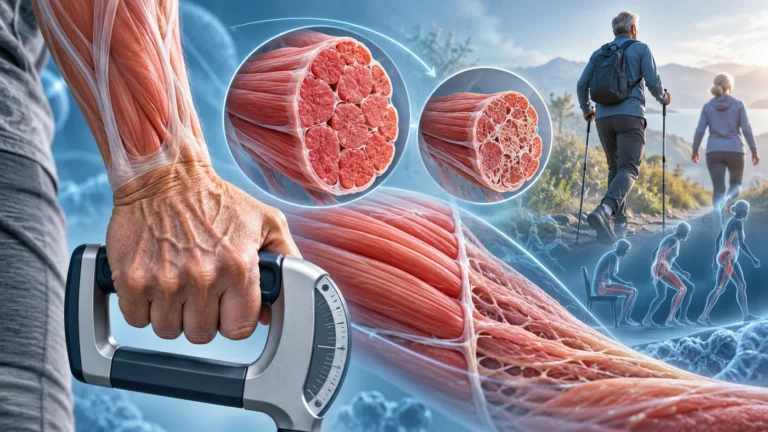
As age advances, preserving muscle mass and muscle strength becomes important for functionality. Adequate total protein, balanced protein distribution across meals, and resistance exercise are primary approaches. HMB, creatine, leucine-rich protein sources, and other supplements may also be evaluated in selected individuals. The goal is to monitor not only muscle mass, but also measurable outcomes such as handgrip strength, walking capacity, and daily function.
How is it approached for hair, skin, and connective tissue goals?
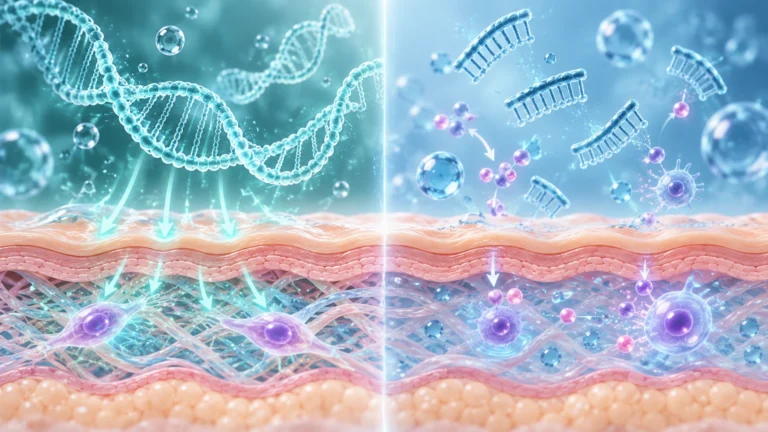
In complaints of hair loss or skin quality, more common causes such as iron-ferritin, B12-folate, zinc, protein intake, thyroid, rapid weight loss, and hormonal factors are reviewed. Glycine, proline, lysine, and other amino acids are components of collagen biology; however, for aesthetic goals, outcomes are evaluated based on overall nutrition, protein adequacy, and the associated dermatological/aesthetic plan rather than a single amino acid alone.
How are the oral, enteral, and IV routes selected?
The NICE nutrition support guideline recommends selecting oral, enteral, and parenteral routes based on the individual’s nutritional risk and gastrointestinal function. If adequate and safe oral intake is possible, this route is prioritized in most cases. In selected situations where oral or enteral intake is inadequate or unsafe, parenteral nutrition and IV micronutrient support may become clinically important. If the IV route is considered for wellness or recovery goals, the preparation, dose, osmolarity, compatibility, and actual clinical goal are additionally evaluated.
Which components may be considered?
Depending on the goal, L-arginine, L-glutamine, glycine, proline, lysine, taurine, or different amino acids; B vitamins, magnesium, zinc, selenium, and other micronutrients may be evaluated. Each component has different human data, pharmacology, route of administration, and safety profile. Therefore, a multi-component product should be planned by evaluating the suitability of each substance individually.
Pre-administration evaluation
- Nutritional history, weight change, and daily protein intake
- Gastrointestinal absorption and previous surgeries
- Kidney and liver functions
- Complete blood count, ferritin, B12, folate, vitamin D, zinc, or other selected tests depending on the goal
- Current medications, supplements, and allergy history
- Measurable goals such as muscle strength, body composition, or physical capacity
Safety
High doses or unnecessary components can affect electrolyte balance, glucose, blood pressure, or drug interactions. Amino acid and mineral load in kidney disease; metabolic tolerance in liver disease; and osmolarity, pH, pharmaceutical compatibility, sterility, and infusion rate in intravenous access are important. In multi-component mixtures, the total dose must be visible and traceable.
Our approach at our Bodrum clinic
We personalize amino acid and micronutrient support not through an off-the-shelf “youth” or “energy” cocktail, but through nutrition, muscle strength, body composition, absorption, laboratory tests, and clinical goals. If necessary, we adjust oral support first; in individuals for whom the IV route is meaningful, we make a plan with the minimum necessary components, taking into account product compatibility and serial follow-up.
Frequently asked questions
Can an amino acid IV infusion help with muscle loss?
If there is inadequate protein intake or a clinical nutritional need, amino acid support may be beneficial. In sarcopenia, planning alongside resistance exercise, adequate total protein, vitamin D status, and when necessary, other options such as creatine/HMB is more meaningful.
Which amino acids are important for hair and skin?
Glycine, proline, and lysine play a role in collagen structure; various amino acids play a role in keratin and general protein metabolism. However, because hair and skin outcomes do not depend solely on a single amino acid level, nutrition and underlying causes are evaluated together.
Related content
You can review the guides on Sarcopenia and muscle strength, Hair strengthening, Skin rejuvenation, L-glutamine IV, L-arginine IV, Glycine IV, and IV and infusion therapies.
References
NICE Nutrition Support for Adults (CG32); NIH Office of Dietary Supplements professional micronutrient resources; current human studies on muscle health and clinical nutrition.
Written and medically reviewed by: Dr. Kerem Çağlayan
Last medical review: September 10, 2026