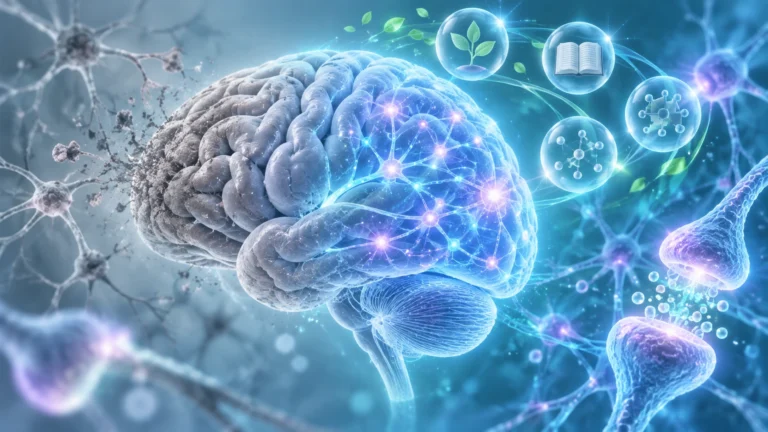

How are normal aging and cognitive problems distinguished?
Having difficulty remembering names from time to time or learning new information a bit more slowly can be seen with age. In contrast, forgetfulness that impairs daily function, disorientation, difficulty with financial tasks, personality changes, or rapidly progressive cognitive decline requires medical evaluation.
Which risks are modifiable?
- Physical inactivity
- Tobacco use
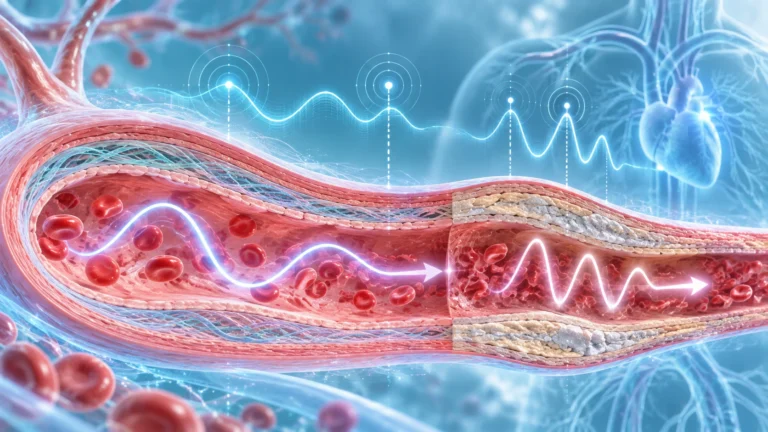
- High blood pressure
- Diabetes and impaired glucose metabolism
- High cholesterol
- Hearing loss
- Social isolation
- Excessive alcohol consumption
- Air pollution exposure
- Obesity and metabolic risks
Exercise and cognitive health
Regular physical activity can support brain health through cardiovascular and metabolic health. Strength, balance, and daily movement levels are as important as aerobic capacity. A single exercise prescription is not suitable for everyone; an individual’s age, joint health, and baseline capacity must be taken into account.
The role of cognitive exercises
Cognitive training and mentally stimulating activities may be beneficial in some individuals. The 2026 WHO guideline considers cognitive training and social/cognitive engagement among the components of a risk-reduction approach. The magnitude of the effect may vary from person to person and according to the program used; therefore, it is not accurate to present a single practice as a “method that prevents dementia.”
Why are hearing and social connections important?
Hearing loss can increase cognitive load and reduce social engagement. Using a hearing aid when needed, reducing social isolation, and staying active in daily life are important components of a brain health plan.
Supplements and nootropics
B vitamins, vitamin E, omega-3, or multivitamins are not a standard approach routinely recommended to reduce dementia risk in the absence of a deficiency. In contrast, correcting confirmed vitamin deficiencies is important for general health. Research on citicoline, various nootropics, and novel molecules is ongoing; clinical significance varies depending on the indication and the study.
Our approach at our Bodrum clinic
In our cognitive health evaluation, we look not only at memory complaints, but also evaluate sleep, hearing, depression/anxiety, medications, thyroid, B12, metabolic health, hypertension, and physical capacity together. In relevant individuals, we establish connections with Sleep and Healthy Aging, Metabolic Health, and Longevity plans.
When is a more prompt evaluation required?
Sudden onset of altered consciousness or memory changes, speech impairment, unilateral weakness, new-onset seizure, rapid functional decline, or prominent personality change may require urgent or prompt medical evaluation.
Frequently asked questions
Is forgetfulness a normal part of aging?
Some changes that are mild and do not impair daily function can be seen with age. However, forgetfulness that causes functional impairment or progresses rapidly should not be considered normal aging.
Can dementia be completely prevented?
No; it is not possible to prevent all cases of dementia. Nevertheless, management of modifiable risk factors may contribute to reducing risk or delaying onset in some individuals.
References
- WHO – Risk Reduction of Cognitive Decline and Dementia, 2nd ed., 2026
- WHO – 2026 dementia risk reduction update
Written and medically reviewed by: Dr. Kerem Çağlayan
Last medical review: September 10, 2026