
Which symptoms can be evaluated?
- Decreased libido
- Changes in erection quality
- Reduction in energy and motivation
- Decline in muscle mass and strength
- Risks related to bone health
- Unexplained anemia
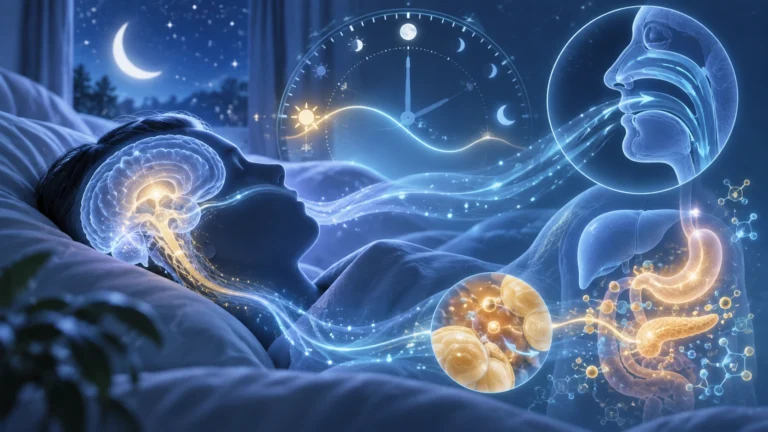
- Sleep and mood changes
How is testosterone measured?
Testosterone fluctuates throughout the day. Total testosterone, usually measured in the morning hours, is the primary initial test. If the initial result is low or borderline, repeat measurement on a different day is recommended. In situations where SHBG levels can vary significantly, free testosterone or calculated free testosterone can provide additional information. Tests such as LH and FSH can help understand whether the problem originates from the testes or is related to the pituitary-hypothalamus axis.
Does a decline in testosterone with age always require treatment?
As age advances, changes in testosterone levels may be seen; however, age alone or a single laboratory value is not sufficient for a treatment decision. Symptoms, consistency of measurements, comorbid conditions, and the individual’s goals are evaluated together. Initiating routine testosterone in all men over 65 years of age is not a recommended approach.
Which reversible causes are addressed first?
Obesity, insufficient sleep, obstructive sleep apnea, heavy alcohol use, opioids, and certain medications can affect testosterone levels or symptoms that resemble testosterone deficiency. In overweight or obese men, weight management and improving metabolic health can positively affect the testosterone axis.
In whom can testosterone therapy be considered?
Testosterone therapy may be considered in certain men with compatible symptoms and distinctly low testosterone on repeated measurements, whose underlying causes have been evaluated. The expected benefit from treatment varies depending on symptoms, baseline testosterone level, and personal health status.
In which situations is caution required?
In men planning to have children in the near future, testosterone therapy may not be appropriate because it can suppress sperm production. In conditions such as elevated hematocrit, situations requiring prostate-related evaluation, uncontrolled heart failure, recent cardiovascular events, thrombosis risk, or untreated severe sleep apnea, a more careful evaluation is required.
Our approach in our Bodrum clinic
We do not view the goal of “raising testosterone” as a standalone treatment objective. First, symptoms, sleep, body composition, exercise, medications, metabolic health, and fertility plans are evaluated together. If necessary, the hormone panel is repeated and the cause is investigated. In relevant individuals, it is addressed together with Sexual Health, Weight Management, and Longevity plans.
Frequently asked questions
Does a single low testosterone result establish a diagnosis?
Generally no. Timing of measurement, acute illness, sleep, and laboratory variability can affect the result; a low value is most often confirmed on a different day.
Is testosterone therapy used for “anti-aging” purposes?
The primary purpose of testosterone therapy is to treat confirmed hypogonadism. Routinely administering it to asymptomatic individuals for the purpose of healthy aging is not a standard approach.
References
- Endocrine Society – Testosterone Therapy Guideline
- Endocrine Society – 2026 Testosterone Replacement Therapy Statement
Written and medically reviewed by: Dr. Kerem Çağlayan
Last medical review: September 10, 2026