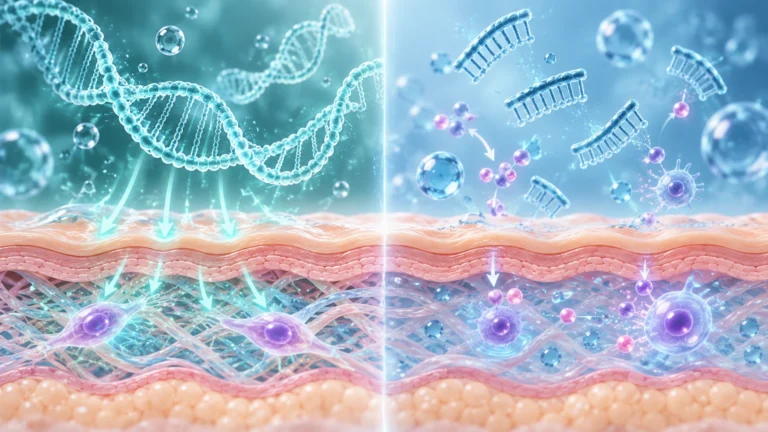

Why are mitochondria important?
In addition to ATP production, mitochondria play a role in redox balance, cellular signaling, fatty acid metabolism, and the stress response. Fatigue or low performance cannot be explained by mitochondria alone; however, mitochondrial biology is one of the important components of metabolic and functional health.
Which components may be considered?
NAD+ and B3 precursors are associated with cellular redox and energy metabolism; alpha-lipoic acid with mitochondrial enzyme systems and antioxidant networks; B1, B2, B3, and other B vitamins with cofactors of energy metabolism; and magnesium with ATP utilization and neuromuscular functions. L-carnitine is involved in transporting fatty acids into mitochondria, while CoQ10 functions in the electron transport chain. Each component has different clinical data and an appropriate route of administration.
For whom might an evaluation be meaningful?
A more detailed evaluation may be performed in cases of prolonged fatigue, reduced exercise tolerance, difficulty recovering after intense physical exertion, risk of nutritional deficiency, or certain metabolic problems. Common causes such as anemia, thyroid disorders, sleep apnea, infection, cardiopulmonary disease, glucose-insulin imbalance, and medication effects are reviewed first.
Why are measurable goals important?
Rather than monitoring a mitochondrial support plan solely through a “feeling of energy,” it is more meaningful to track it alongside VO₂max/cardiorespiratory capacity, muscle strength, sleep, glucose balance, physical activity tolerance, and necessary laboratory markers. This approach makes it easier to distinguish which intervention truly contributes.
Oral supplementation and IV administration
Oral use may be the first option for many micronutrients and mitochondria-related components. The IV route may also be considered when there is an absorption problem, a significant deficiency, a clinical need, or an appropriate parenteral preparation available. The biological importance of a molecule does not mean that IV use will provide greater benefit for every person; the route of administration is selected according to the goal.
Healthy aging research
NAD metabolism, CoQ10, taurine, carnitine, and other mitochondria-related molecules are receiving considerable attention in longevity research. Some human studies have reported positive signals in energy, fatigue, or metabolic markers. Research continues into which components, doses, and patient groups yield the most meaningful long-term healthy aging outcomes.
Safety
Depending on the ingredients, blood pressure, blood sugar, electrolyte balance, and drug interactions may be affected. Kidney and liver function, G6PD status when necessary, cardiac rhythm, pregnancy/breastfeeding, and medications/supplements being used are evaluated. Sterility, compatibility, infusion rate, and monitoring for reactions are part of the standard safety approach for intravenous administration.
Our approach at our Bodrum clinic
We build the mitochondrial support plan around the individual’s symptoms and measurable functional goals, rather than a ready-made “anti-aging cocktail.” After sleep, metabolic health, exercise capacity, muscle strength, nutrition, and laboratory testing needs are examined, appropriate components are selected; the roles of oral and IV options are determined separately.
Frequently asked questions
Can mitochondrial support help with fatigue?
If a deficiency, metabolic problem, or recovery burden underlies fatigue, targeted support may contribute. The outcome varies depending on the actual cause of fatigue.
Is there a single mitochondrial infusion for longevity?
Rather than a single standard formula, an approach based on the individual’s metabolic and functional profile is more meaningful. Because human longevity data continue to develop, we monitor interventions using measurable goals.
Related content
You can review the guides on Mitochondria, Coenzyme Q10, L-carnitine, IV alpha-lipoic acid, Longevity, and IV and infusion treatments.
References
Current human studies related to mitochondria and energy metabolism; product/clinical resources on NAD+, ALA, and micronutrient administration.
Written and medically reviewed by: Dr. Kerem Çağlayan
Last medical review: 10 September 2026