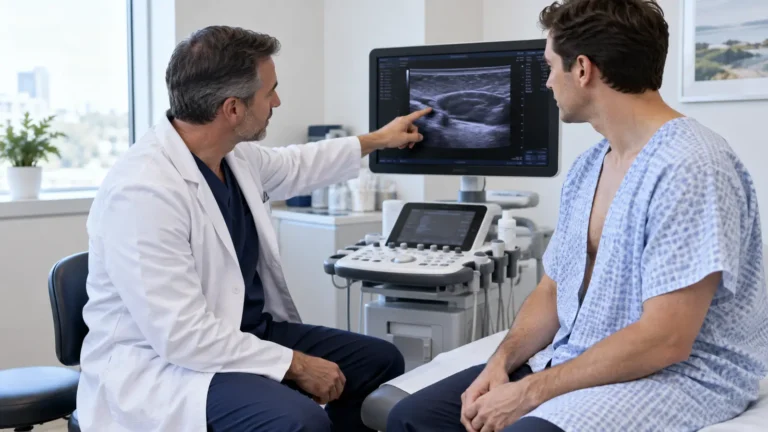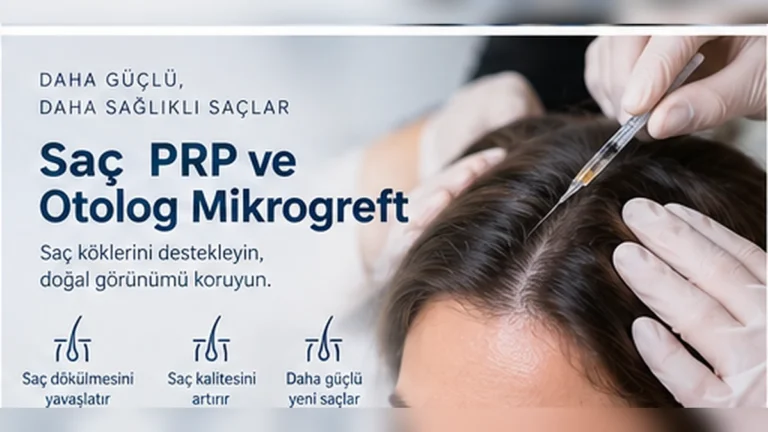
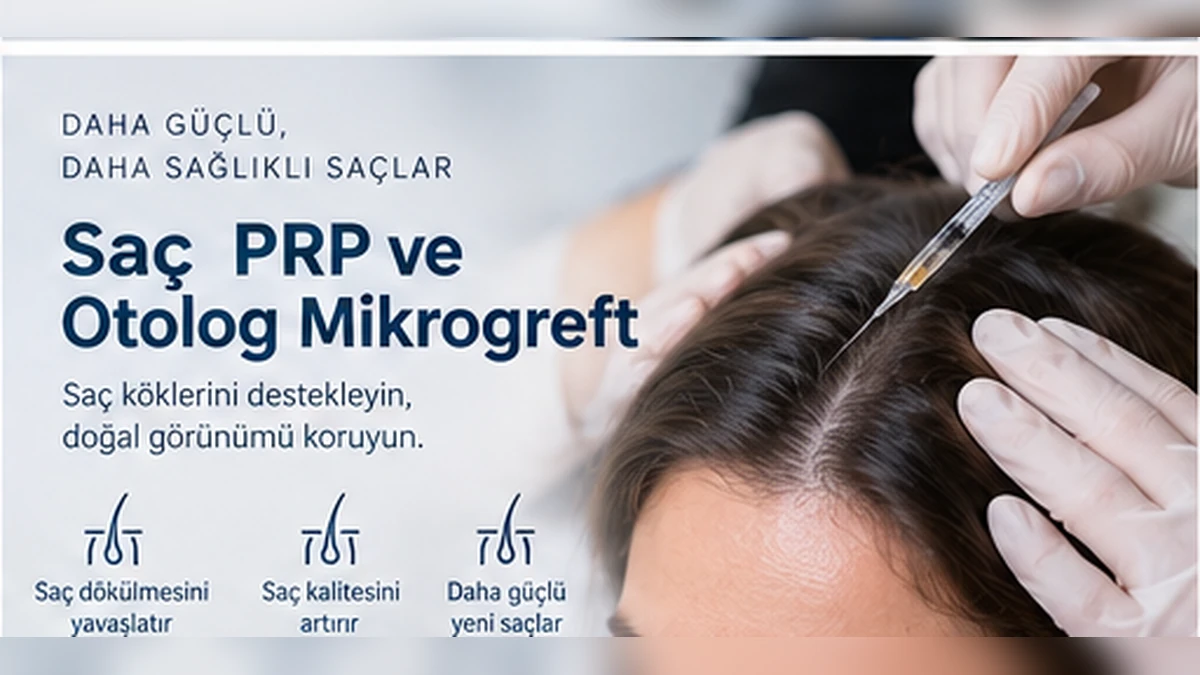
First, the cause of hair loss is determined
Planning injections alone for hair loss is not appropriate. Androgenetic alopecia, telogen effluvium, iron or thyroid issues, nutritional deficiencies, inflammatory scalp diseases, and certain medications require different treatment approaches. Regenerative applications do not substitute for an evaluation of the underlying cause.
What is hair PRP?
PRP is the application of platelet-rich plasma, prepared from the patient’s own blood, to the scalp. It aims to support the follicular environment through growth factors and signaling molecules released from platelets. Current systematic reviews report a signal of increase in hair density and hair thickness in some patients with androgenetic alopecia; however, there are notable differences among the PRP products and session protocols used.
What is an autologous micrograft?
In the autologous micrograft approach, a small sample obtained from the patient’s own tissue is mechanically processed to prepare a product containing micro-tissue particles and cellular/stromal components. This product is not the same as a stem cell preparation expanded in culture and should not be generalized as “stem cell therapy.”
What does GCell signify in this process?
One of the mechanical autologous tissue processing platforms used in our clinic is the GCell system. Such systems are devices that assist in the mechanical preparation of autologous tissue. The name or presence of the device alone does not determine the clinical efficacy, superiority, or “stem cell” status of the product; the primary evaluation relies on the quality of the obtained product, the indication, patient selection, and scientific evidence.
Method of application
Following clinical evaluation, PRP or the appropriate autologous tissue product can be applied to targeted areas of the scalp as low-volume injections. The application plan is personalized according to the type of hair loss, its distribution, scalp findings, and concomitant medical treatments. When necessary, these methods are considered not as substitutes for dermatological or medical hair treatments, but as options that complement them.
In whom can it be considered?
- Eligible female and male patients with androgenetic hair loss
- Patients with decreased density before hair follicles are completely lost
- Selected patients planned for a supportive approach before or after hair transplantation
- Individuals whose underlying correctable causes have been evaluated
What does the scientific evidence say?
There are numerous studies and meta-analyses reporting positive results on hair density for PRP; however, due to protocol variability, the certainty of evidence is not the same for all outcomes. For autologous micrografts and tissue-derived cellular approaches, clinical data are more limited, and there is a lack of standardization among methods. Therefore, outcome expectations should be set realistically on an individual basis.
Our approach at our Bodrum clinic
We first evaluate hair loss in terms of cause and stage. When necessary, we complete laboratory and dermatological evaluations; we plan PRP, autologous micrografts, or another approach only if it aligns with the condition of the hair follicle and available evidence.
Related pages
- PRP treatment
- Mechanical autologous tissue processing and GCell
- Differences between PRP, SVF, and stem cells
Related cell therapies
Cell Therapies main showcase · PRP Treatment · Differences Between PRP, SVF, and Stem Cells · Areas of Application
References
- Platelet-Rich Plasma in the Management of Alopecia: systematic review and meta-analysis. 2025. PMID: 40944844.
- Recent systematic reviews and randomized trials of PRP for androgenetic alopecia, 2024-2025.
Written and medically reviewed by: Dr. Kerem Çağlayan
Last medical review: September 14, 2026
Disclaimer: This content is for general health information purposes; it does not replace an individual examination and treatment plan. In any surgical or interventional procedure, results may vary from person to person. It is recommended that you obtain a detailed consultation from your physician prior to the procedure.