
Quick answer
GCell is one of the tissue preparation platforms that assists in the mechanical processing of autologous tissue. The purpose of such devices is to facilitate the preparation of a product containing micro-tissue or stromal components intended for clinical use from the patient’s own tissue. The device name alone does not make the obtained product a “stem cell” and does not imply clinical superiority.
What is mechanical autologous tissue processing?
In the autologous tissue processing approach, an applicable tissue suspension or micrograft can be prepared by mechanically disintegrating and isolating a small sample taken from the person’s own tissue within a closed or controlled system. The nature of the obtained product depends on the starting tissue and the processing method used.
What does GCell do?
GCell is one of the devices/platforms used for the purpose of mechanical autologous tissue processing. A mechanical tissue processing approach rather than chemical or enzymatic separation is defined in its manufacturer and distributor materials. This information explains the technical operating principle of the device; it does not prove that it is superior to other methods in a specific disease.
Are micrograft, SVF, and stem cells the same thing?
No. A mechanical micrograft is an autologous product containing tissue particles and stromal/cellular components. SVF, on the other hand, refers to the heterogeneous stromal and cellular fraction derived from adipose tissue. Culture-expanded mesenchymal stromal cell products, meanwhile, represent a different class of products. Using these terms interchangeably can be medically misleading.
In which areas can it be evaluated?
Mechanical autologous tissue products and micrograft approaches are investigated in the literature for scalp, skin, and selected musculoskeletal system applications. The source of the product, target tissue, scientific evidence, and regulatory conditions vary depending on the area of application. The existence of research in an area does not mean that the method is a routine indication for every patient.
Its place in scalp applications
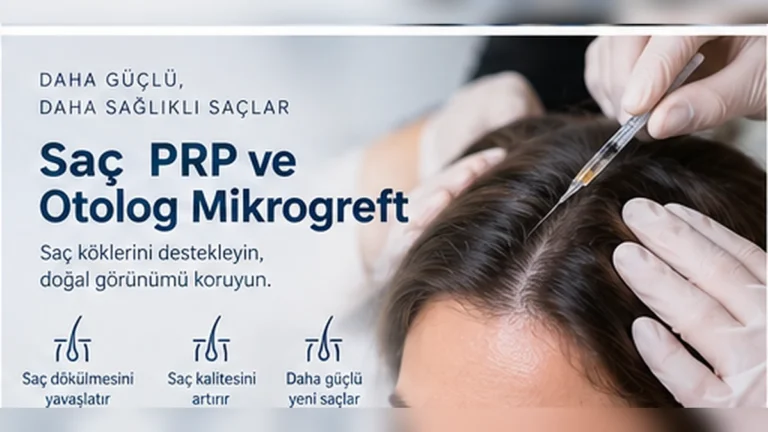
In androgenetic alopecia, autologous micrograft approaches are studied among regenerative methods aimed at supporting the follicular environment. It is not the same product as PRP. The type and stage of hair loss, active follicle reserve, and concomitant medical treatments affect outcome expectations.
Musculoskeletal system and joint applications
Adipose-derived autologous products have been investigated particularly in the field of knee osteoarthritis. However, mechanically prepared microfragmented products, SVF, and cultured cell therapies are not the same product. Clinical evidence must be evaluated according to the actual nature of the product.
Safety and regulatory evaluation
Tissue harvesting and reapplication are interventional procedures; infection, bleeding, pain, swelling, and risks specific to the procedure site are taken into account. Additionally, the degree of processing, intended use, and indication for cell and tissue products are important in terms of current regulations in Turkey. Therefore, the fact that the device can technically prepare a product does not, by itself, imply clinical use authorization.
Our approach at our Bodrum clinic
We do not present GCell as a “miracle device” or a technology superior to other methods. We first evaluate the patient’s diagnosis and target tissue, and then explain what autologous product will be prepared and to what extent it aligns with the available scientific evidence. The application is only evaluated within the framework of current regulations and appropriate clinical indications.
Related pages
References and technical information
- GCell manufacturer/distributor technical materials: definition of the mechanical autologous tissue processing system.
- Current systematic reviews: clinical studies of adipose-derived stromal/cellular products in knee osteoarthritis, 2025-2026.
- Regulation on Products Derived from Human Tissues and Cells and Centers Related to These Products and the 2026 implementation regulations.
Related pages
- Cell Therapies main showcase
- SVF (Stromal Vascular Fraction)
- Differences between PRP, SVF, and Stem Cells
Written and medically reviewed by: Dr. Kerem Çağlayan
Last medical review: September 14, 2026
Disclaimer: This content is not an advertisement for a device or a guarantee of treatment; it is general health and technology information. In any surgical or interventional procedure, results may vary from person to person. It is recommended that you consult with your physician in detail prior to the procedure.