
Knee and intra-articular applications
In knee osteoarthritis, PRP, SVF, and different stromal cell approaches have been investigated. The clinical data for PRP is broader. Positive signals in terms of pain and function also exist for SVF and cellular products; however, product standardization and long-term data are more limited. The application can be considered as an intra-articular injection in eligible patients and is addressed alongside a rehabilitation plan.
Shoulder
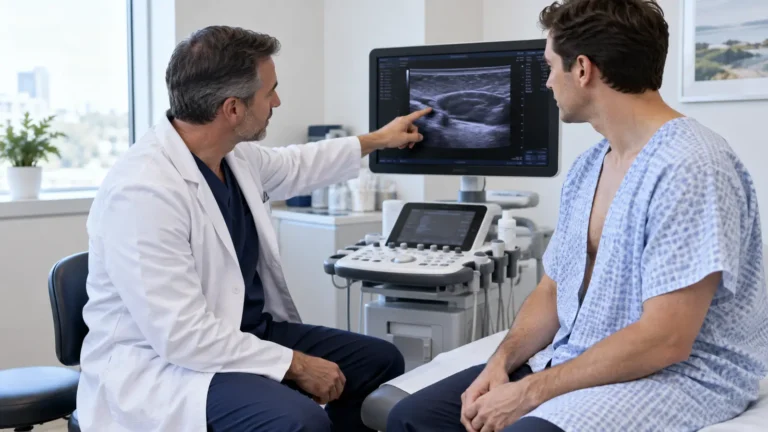
PRP has been researched in rotator cuff tendinopathies, selected partial tendon tears, and certain soft tissue problems around the shoulder. Because the cause of shoulder pain can vary widely, ultrasound or other imaging findings, physical examination, and functional loss must be evaluated together.
Elbow
Chronic tendon problems such as lateral epicondylitis are among the areas where PRP is frequently investigated. The injection approach is planned according to the clinical and imaging findings of the tendon. The goal is not merely to inject the area, but to support the tendon’s healing capacity through load management and an exercise program.
Achilles, ankle, and other tendons
There are studies on PRP in Achilles, patellar tendon, and selected other tendinopathies; outcomes vary depending on the indication. The degree of intratendinous structural damage, activity level, and rehabilitation compliance are important in treatment decisions.
Around the hip
In deep anatomical regions such as the hip joint and gluteal tendons, biological injections are evaluated only when the diagnosis and target tissue are clear. Imaging guidance can assist in identifying the target anatomy.
Scalp
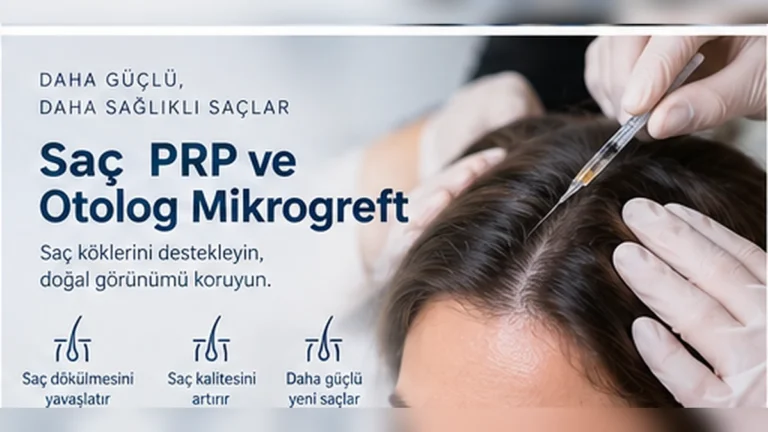
In androgenetic hair loss, PRP is one of the most researched regenerative injections. Autologous micrograft and tissue-derived approaches are also being investigated. The application can be performed as injections into targeted areas of the scalp; however, the cause of hair loss and follicular reserve must be evaluated first.
Skin and face
PRP and PRF have been investigated in tissue quality, fine lines, wound healing, and certain regenerative dermatology applications. Depending on the target, the application can be combined with methods such as intradermal/subdermal injection or controlled microneedling. In cellular and tissue-derived products, evidence and regulatory status are evaluated separately.
Chronic wound and soft tissue
PRP and various cellular products are involved in wound healing research. In chronic wounds, circulation, infection, diabetes control, pressure relief, and wound bed management are at the core of essential treatment; regenerative applications do not replace these.
How are application methods classified?
| Target area | General application approach | Key consideration |
|---|---|---|
| Joint | Intra-articular injection | Osteoarthritis stage, joint structure, rehabilitation |
| Tendon/ligament | Peritarget tissue or appropriate tissue injection | Ultrasound findings, load management, exercise |
| Scalp | Scalp injections | Type of hair loss and follicular reserve |
| Skin | Intradermal/subdermal approach or selected combinations | Skin target, phototype, wound/dermatological condition |
Which method do we choose?
The choice between PRP, SVF, micrograft, or more advanced cellular products is not made using a “strongest method” rationale. Diagnosis, level of evidence, safety, target tissue, patient age and general condition, treatment alternatives, and current regulations are evaluated together.
Our approach at our Bodrum clinic
For each region, we first determine the anatomical and clinical target, followed by the selection of the biological product. When necessary, we use ultrasound guidance, imaging, and a rehabilitation plan as part of the process. In cellular products, we also take into account product characterization and current regulatory authorization conditions.
Related pages
Related cell therapies
Cell Therapies main showcase · PRP Treatment · Differences Between PRP, SVF, and Stem Cells · Application Areas
References
- AAPM&R guidance statement on platelet rich plasma for knee osteoarthritis. 2026.
- Systematic reviews of PRP in tendinopathy, alopecia and facial rejuvenation, 2024-2026.
- Systematic reviews and randomized trials of SVF/stromal cell therapies in knee osteoarthritis, 2025-2026.
Written and medically reviewed by: Dr. Kerem Çağlayan
Last medical review: September 14, 2026
Disclaimer: This content is for general health informational purposes. Results may vary from person to person in any surgical or interventional procedure. It is recommended to obtain a detailed consultation from your physician prior to the procedure.