Key points
- GHK-Cu is a natural copper-binding tripeptide and has long been investigated in tissue repair biology.
- In the 2026 systematic review, 20 studies were evaluated; 18 of these were preclinical, and 2 were randomized clinical trials.
- In clinical trials, positive changes have been reported in certain outcomes, such as patient satisfaction following laser resurfacing and wrinkle volume/depth.
- Topical or transdermal use and injectable/IV use should not be evaluated with the same clinical data.
- The FDA notes that human safety data for injectable GHK-Cu are limited and that immunogenicity risks associated with aggregation/peptide impurities must be taken into account.
What is GHK-Cu?
GHK-Cu is the complex formed by the glycyl-L-histidyl-L-lysine tripeptide with copper. It is naturally found in human plasma. The importance of copper for cellular enzymes and tissue remodeling has led GHK-Cu to receive special interest in regenerative biology.
How is it thought to work?
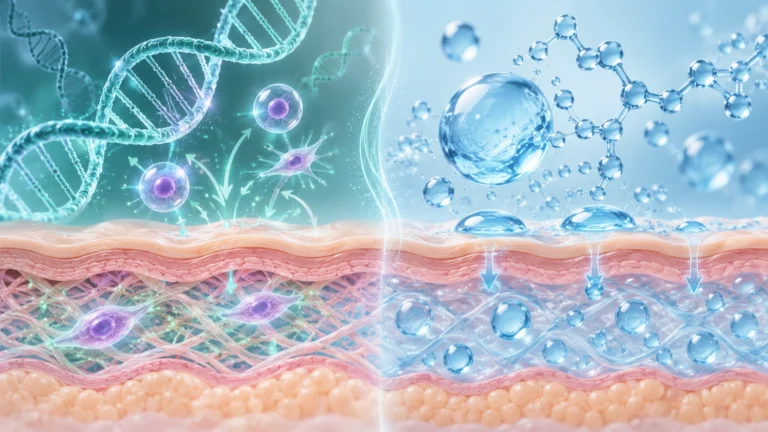
Preclinical studies show that GHK-Cu can increase type I collagen and glycosaminoglycan synthesis, modulate matrix metalloproteinase activity, and support angiogenesis and cellular proliferation. Its effects on inflammation-related signaling pathways, such as TGF-β and IL-6, have also been investigated. These mechanisms form the biological foundation for clinical research in the areas of skin repair, wound healing, and photoaging.
Skin rejuvenation and wrinkle research
The 2026 systematic review evaluated the regenerative potential of GHK-Cu in aesthetic medicine. Although clinical data are still limited in number, reductions in wrinkle volume and depth, as well as increases in patient satisfaction after laser resurfacing, have been reported in controlled trials. Therefore, GHK-Cu is an intriguing area of research in terms of skin quality and biostimulation.
Topical use and tissue penetration
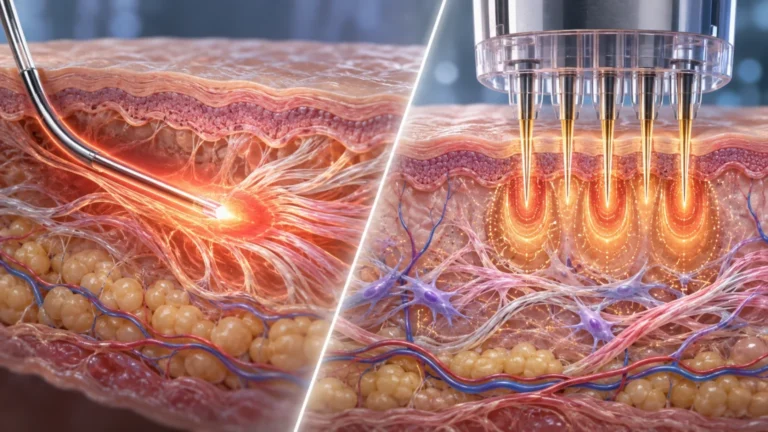
GHK-Cu has long been used in cosmetic and topical products. The penetration of peptides through the skin barrier depends on the formulation, molecular structure, and delivery system. There are studies indicating that advanced delivery methods, such as liposomal systems and microneedles, can enhance transdermal bioavailability. When selecting a topical product, not only the statement “contains copper peptides,” but also concentration, stability, and formulation quality are important.
Hair and scalp
Due to the effects of GHK-Cu related to hair follicle biology, inflammation, and tissue remodeling, research also exists in the field of hair health. However, for androgenetic alopecia, methods such as minoxidil, appropriate antiandrogenic approaches, PRP/iPRF, and photobiomodulation have a broader clinical evidence base. In this context, GHK-Cu should be considered as a potential supportive option.
Why are injection and IV use evaluated separately?
Topical or transdermal data do not automatically demonstrate the efficacy and safety of injectable or IV use. The injection route alters systemic exposure, product purity and sterility requirements, immune response, and potential side effects. As of 2026, there is no extensive, standardized human clinical evidence base for injectable GHK-Cu.
2026 FDA regulatory status
In its May 2026 update, the FDA re-listed non-injectable GHK-Cu as “under evaluation” under 503A Category 1 and announced that the PCAC evaluation is planned to be conducted by the end of February 2027. The nomination for injectable GHK-Cu has been withdrawn. The FDA also highlights the risk of immunogenicity related to aggregation and peptide impurities, along with limited human safety data, for the injectable form. This status does not mean FDA approval; it indicates that the regulatory review process is ongoing.
Our approach at our Bodrum clinic
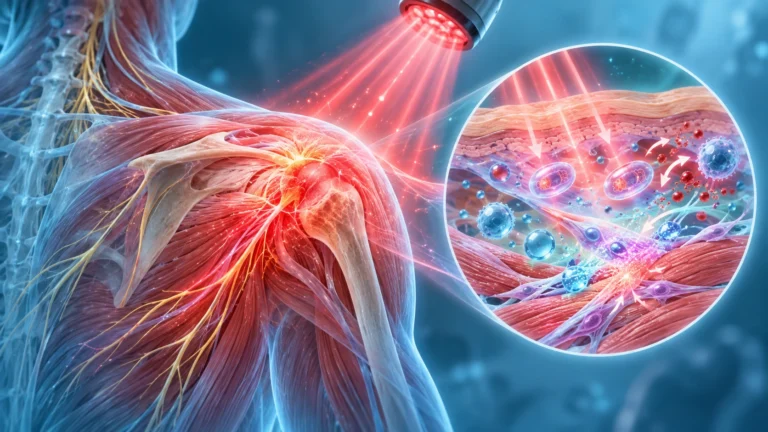
We evaluate GHK-Cu not through the “copper peptide” label, but according to the nature of the targeted skin or hair problem. Fine wrinkles, photoaging, skin quality, post-procedure recovery, or hair loss are not the same clinical goal. When GHK-Cu comes to the fore, the product’s form, concentration, route of administration, and available clinical data are evaluated alongside Skin Rejuvenation, PN/PDRN, Red Light/PBM, or other biostimulatory options.
Frequently asked questions
Can GHK-Cu help with wrinkles?
Yes, in the limited number of clinical trials included in the 2026 systematic review, positive outcomes were reported in certain measurements such as wrinkle volume and depth. Larger and standardized studies will clarify the magnitude of these results.
Does GHK-Cu help grow hair?
There is research interest regarding hair follicle biology; however, clinical evidence sufficient to replace methods with broader human data for androgenetic alopecia has not yet been established. It may be evaluated as supportive when appropriate.
Are GHK-Cu injection and topical products the same thing?
No. The route of administration significantly changes bioavailability and safety. Topical data do not constitute direct evidence for injectable use.
Related content
- Skin Rejuvenation and Wrinkle Treatments
- Salmon DNA: PN and PDRN
- Red Light Therapy and Photobiomodulation
- Hair Loss and Hair Strengthening
- Main Guide to Peptide Applications
References
- Mokhtar J, et al. The Regenerative Potential of GHK-Cu in Aesthetic Medicine. Aesthet Surg J. 2026. PMID: 42619529.
- U.S. FDA. Certain Bulk Drug Substances for Use in Compounding that May Present Significant Safety Risks. 2026.
- U.S. FDA. Bulk Drug Substances Nominated for Use in Compounding Under Section 503A. Updated May 14, 2026.
Written and medically reviewed by: Dr. Kerem Çağlayan
Last medical review: September 10, 2026
Disclaimer: This content is for general medical informational purposes only; it does not replace personal diagnosis or treatment recommendations.