What is PN?
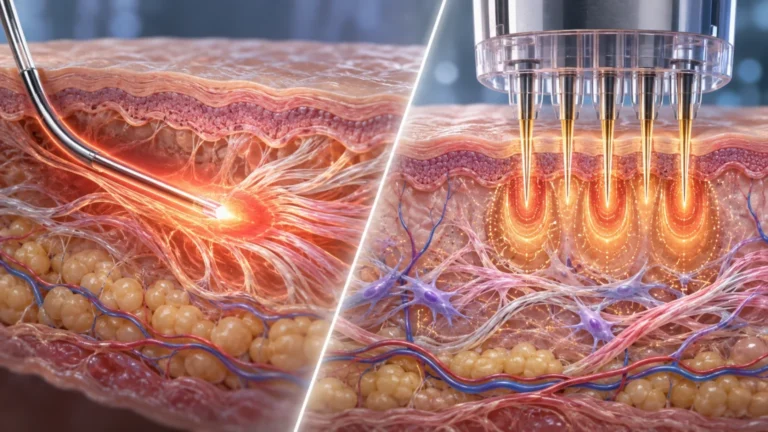
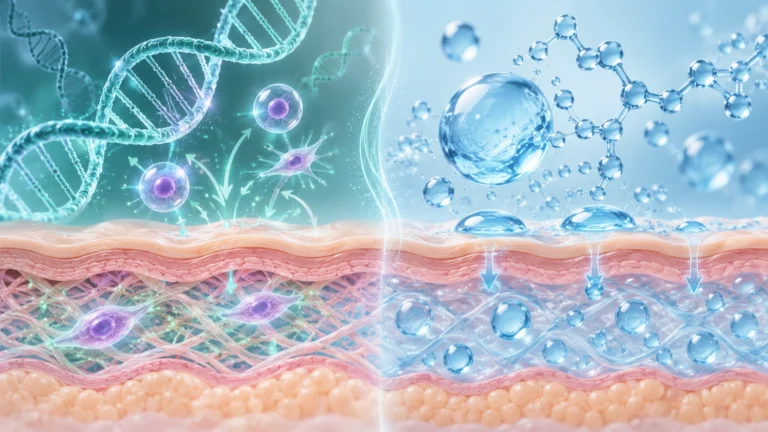
Polynucleotides are materials composed of longer nucleotide chains. In aesthetic dermatology, their effects on skin quality, hydration, elasticity, and fine lines are being investigated. Application characteristics may vary depending on the molecular weight and formulation of the product.
What is PDRN?
PDRN consists of deoxyribonucleotide chains within a specific size range and has long been investigated in the field of tissue repair. Its effects have been examined through mechanisms associated with the adenosine A2A receptor and tissue healing. Studies in dermatology and wound healing are increasing.
What does “Salmon DNA” mean medically?
“Salmon DNA” is a popular term widely used in aesthetic procedures in Turkey. However, different brands may contain PN, PDRN, or different combinations thereof. For this reason, the product name, ingredient concentration, manufacturer, and actual molecular structure should be known prior to application.
What does the research show?
In a systematic review of randomized trials published in 2026, PN/PDRN applications were shown to report positive outcomes in the areas of skin rejuvenation, wound healing, and scars. However, the total number of patients is limited, protocols are heterogeneous, and the outcome measures used are different. While the findings support the potential of the method, larger studies are needed to clarify which product and protocol will provide greater benefit in which patient group.
Are PN/PDRN and hyaluronic acid skinboosters the same?
No. Hyaluronic acid skinboosters primarily aim to support hydration and dermal quality. PN/PDRN products, on the other hand, target different biological signaling pathways. Some products may contain combinations. Which approach is appropriate varies according to skin dryness, elasticity, fine lines, the healing process, and the individual’s expectations.
Who can be considered?
PN/PDRN options may be considered for fine lines, loss of skin quality, reduced elasticity, or during certain post-procedure healing processes. In cases of active infection, pregnancy/breastfeeding, known reaction to product ingredients, or severe inflammatory skin disease, the application may be postponed or a different approach may be chosen.
Our approach at our Bodrum clinic
We do not act as though there is a single, uniform procedure under the name “Salmon DNA.” We evaluate together whether the product to be used contains PN or PDRN, its concentration, and the individual’s skin goals. When necessary, the procedure is compared with other options within the Salmon DNA / PN-PDRN and Skin Rejuvenation plan.
Frequently asked questions
Is PN or PDRN better?
There is no single universal answer. The formulation of the product, the targeted skin concern, and the available clinical data are important. The “better” choice may vary according to personal goals and product characteristics.
Can PN/PDRN replace Botox or fillers?
They serve different purposes. Botulinum toxin targets facial expression muscles, and fillers target volume loss; PN/PDRN is used primarily for skin quality and regenerative support.
References
- PN/PDRN systematic review of randomized clinical trials, 2026
- Global trends and evidence evaluation of PN/PDRN therapy in dermatology, 2026
Written and medically reviewed by: Dr. Kerem Çağlayan
Last medical review: September 10, 2026