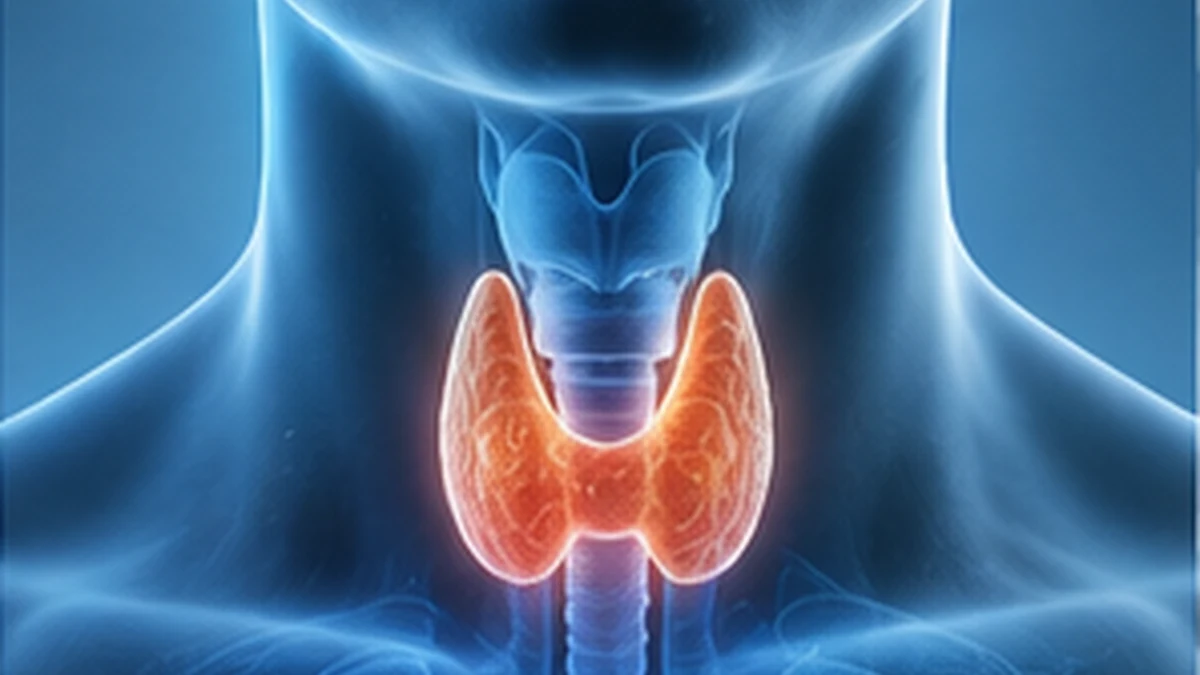
What is hypothyroidism?
Hypothyroidism occurs when the thyroid gland cannot produce thyroid hormone at a level sufficient to meet the body’s needs. Hashimoto’s thyroiditis, post-thyroid surgery or post-radioactive iodine conditions, certain medications, and rarer causes can lead to the condition. TSH, free T4, and clinical symptoms are fundamental parameters in the evaluation.
Design of the 2016 study
In the study published in the Kazan Medical Journal, 50 patients with acquired hypothyroidism aged between 20 and 60 were divided into three similar groups. All patients continued standard thyroid hormone replacement therapy. The main group received 12 daily bioresonance sessions in addition to replacement; the second group received pharmacotherapy alone, and the third group received pharmacotherapy and a sham bioresonance procedure.
Five basic and seven targeted sessions were administered in the active group. Thyroid hormones and certain metabolic/lipid parameters were evaluated in the study.
What results were reported?
In the study’s abstract, a more pronounced increase in free thyroxine levels was reported in the active bioresonance group compared to the control and placebo groups. Changes in favor of the active group were also reported in certain lipid parameters.
Why is this study important?
Publications regarding bioresonance in hypothyroidism are limited. The use of pharmacotherapy and sham procedure groups in this study, rather than only a single-group pre- and post-comparison, is methodologically noteworthy. Nevertheless, the sample is small, single-center, and the study has not been validated by independent large series.
Does bioresonance replace hormone therapy?
No; even in this study itself, all patients maintained thyroid hormone replacement. Clinically, the thyroid hormone dose is adjusted by a physician according to parameters such as TSH, free T4, symptoms, age, pregnancy status, and cardiovascular risk. If bioresonance is used, it should only be addressed with complementary goals within this standard monitoring system.
Which goals can be monitored?
Symptom targets such as fatigue, sleep, weight trends, cold intolerance, and general well-being can be monitored; however, the actual change in thyroid function must be evaluated with laboratory parameters such as TSH and free T4. The lipid profile and metabolic risk are also followed up when necessary.
Our approach at our Bodrum clinic
In hypothyroidism, the etiology, TSH/free T4 balance, medication use, accompanying factors such as iron/vitamin B12/vitamin D, and metabolic status are evaluated first. If bioresonance is preferred, it is planned complementarily with symptom and quality-of-life goals without changing the replacement therapy.
References
- Kiryanova VV, Vorokhobina NV, Makhramov ZH. Using bioresonance therapy in treatment of patients with hypothyroidism. Kazan Med J. 2016;97(4):545-550. DOI: 10.17750/KMJ2015-545. Article abstract
Written and medically reviewed by: Dr. Kerem Çağlayan
Last medical review: September 11, 2026