What is LP-PRP?
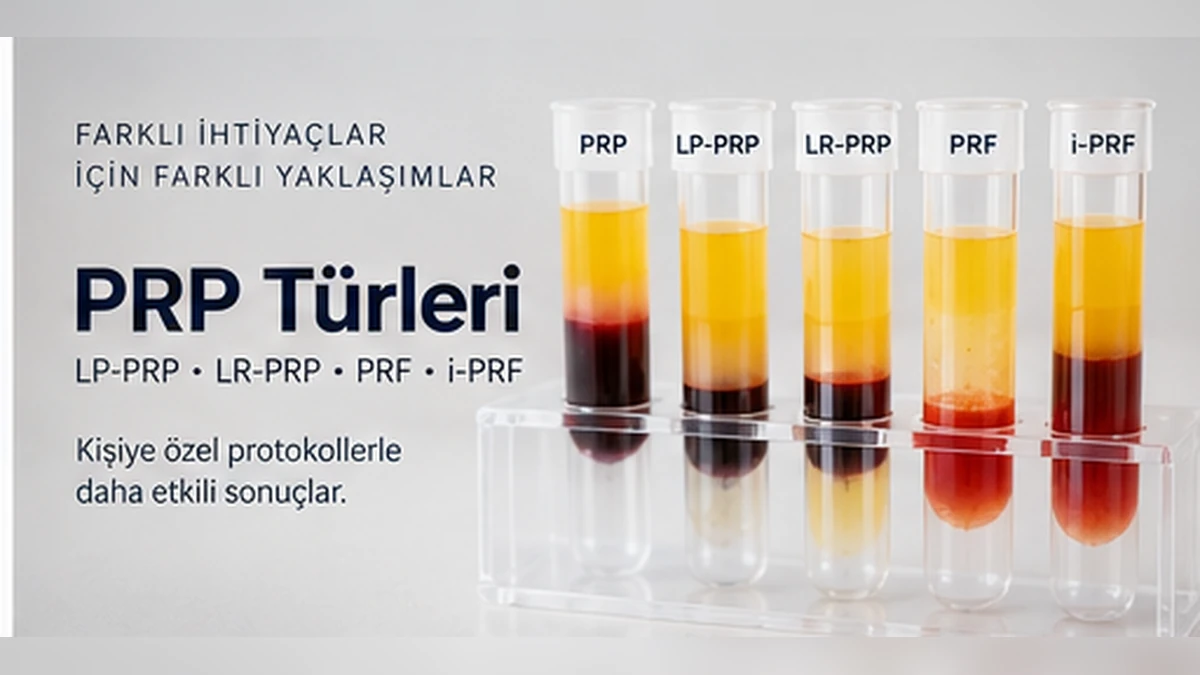
LP-PRP (leukocyte-poor PRP) is platelet-rich plasma with reduced leukocyte content. It is one of the PRP classes frequently investigated in intra-articular applications, particularly in the field of knee osteoarthritis.
What is LR-PRP?
LR-PRP (leukocyte-rich PRP) is a PRP form that contains a higher leukocyte level along with platelets. It is evaluated in certain tendon and soft tissue applications. Which formulation is more appropriate for which patient group may vary depending on the clinical problem.
Activated and non-activated PRP
PRP products can be prepared using different activation approaches that affect growth factor release. However, no single method has been shown to be superior across all indications; product selection is based on the target tissue and clinical evidence.
Are PRF and i-PRF PRP?
PRF (platelet-rich fibrin) and i-PRF (injectable platelet-rich fibrin) are autologous platelet concentrates related to PRP, but they are not technically the same product. The fibrin matrix may contribute to a different release pattern of cells and growth factors within the tissue.
Which product is evaluated for which area?
Joint, tendon, scalp, and skin applications have different biological targets. While low-leukocyte preparations may be more frequently preferred in intra-articular applications, different product characteristics may come to the fore in tendons and soft tissues. In scalp and skin applications, product purity, platelet content, and application technique become important.
Key differences between PRP and PRF
| Feature | PRP | PRF / i-PRF |
|---|---|---|
| Basic structure | Platelet-rich plasma | Platelet and fibrin network |
| Product character | More liquid structure | Fibrin formation is more prominent |
| Clinical use | Joint, tendon, scalp, skin | Selected soft tissue and regenerative applications |
Our approach at our Bodrum clinic
We do not view PRP application as a one-size-fits-all procedure. We evaluate the appropriate platelet product class based on the target tissue, clinical diagnosis, and current evidence. The goal is to match the biological product used to the patient’s needs as accurately as possible.
Related pages
Related cell therapies
Cell Therapies main showcase · PRP Treatment · Differences Between PRP, SVF, and Stem Cells · Application Areas
References
- Farshidfar N, et al. Platelet-rich plasma versus injectable platelet-rich fibrin: systematic review. 2025. PMID: 40125556.
- AAPM&R guidance statement on platelet rich plasma for knee osteoarthritis. 2026. PMID: 41989317.
Written and medically reviewed by: Dr. Kerem Çağlayan
Last medical review: September 14, 2026
Disclaimer: This content is for general health information purposes; it does not substitute for an individual examination and treatment plan.