What does vitamin E do?
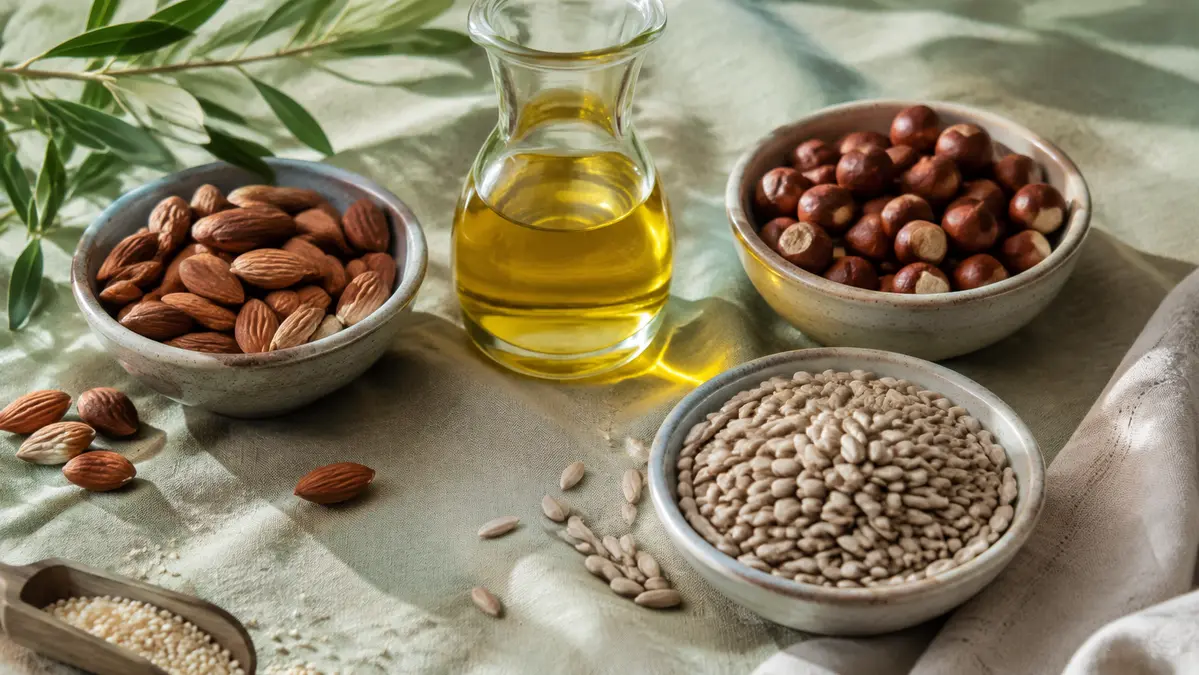
Vitamin E is part of the antioxidant systems that protect polyunsaturated fatty acids in cell membranes from oxidative damage. It also plays a role in processes related to immunity, cellular signaling, and vascular biology. Almonds, hazelnuts, sunflower seeds, wheat germ, and vegetable oils are good dietary sources.
When should deficiency be considered?
Marked vitamin E deficiency is rare in healthy adults; diseases that impair fat absorption, certain genetic lipoprotein disorders, and long-term special nutritional requirements may increase the risk. Clinical evaluation is important because symptoms such as neurological findings or muscle weakness can also occur for other reasons.
Antioxidant support and healthy aging
Vitamin E has strong antioxidant biology. However, high-dose supplements have not been shown to produce the same clinical outcome in everyone for the purpose of preventing cardiovascular disease, cancer, or aging. Therefore, the goal is not to provide the highest possible antioxidant dose, but to select appropriate support based on nutritional status, deficiency risk, and the individual’s clinical goal.
Where does IV/parenteral use fit in?
Vitamin E is a component of some parenteral multivitamin products and may be part of a parenteral nutrition plan in patients for whom oral/enteral nutrition is insufficient. This is not the same as a standalone high-dose vitamin E infusion. If a parenteral product is to be used, its pharmaceutical form, approved route of administration, and admixture compatibility should be verified.
Bleeding and drug interactions
High-dose vitamin E may affect platelet function and coagulation; people taking anticoagulant or antiplatelet medications require more careful evaluation for bleeding risk. Patients with planned surgery and people receiving active chemotherapy/radiation therapy should share all antioxidant supplements they use with their treatment teams.
From a skin and nutrition perspective
Vitamin E plays a role in the normal skin barrier and cellular antioxidant defense. Adequate dietary intake is important. For cosmetic or dermatological goals, topical, oral, and parenteral administration are not direct equivalents of one another, and each has separate research data.
Our approach at our Bodrum clinic
We do not plan vitamin E supplementation solely based on the “antioxidant” label. We evaluate nutrition, fat absorption, anticoagulant/antiplatelet medications being used, liver and gastrointestinal status, history of oncological treatment, and other antioxidant supplements together. Parenteral use is considered only when an appropriate product and clinical rationale are available.
Frequently asked questions
Can vitamin E be used for skin rejuvenation?
Vitamin E contributes to normal skin biology. Replacement may be useful if there is a deficiency or nutritional inadequacy; for the goal of skin rejuvenation, it is more appropriate to evaluate it alongside sun protection, retinoids, procedural options, and general skin care.
Does high-dose vitamin E provide a stronger antioxidant effect?
The biological dose-response relationship is not always “higher = better.” Since risks such as bleeding and drug interactions increase, particularly at high doses, selecting a dose based on individual needs is safer.
Related content
IV and Infusion Treatments · Skin Rejuvenation · Longevity and Healthy Aging
References
NIH Office of Dietary Supplements Vitamin E Health Professional Fact Sheet; current parenteral multivitamin product information.
Written and medically reviewed by: Dr. Kerem Çağlayan
Last medical review: 10 September 2026