What does this score mean?
Four common consumer devices were directly compared with near-gold-standard portable indirect calorimetry. Factors lowering the score are a limited sample size, controlled exercise conditions, and the lack of direct generalizability to real-life energy expenditure.
What did the study investigate?
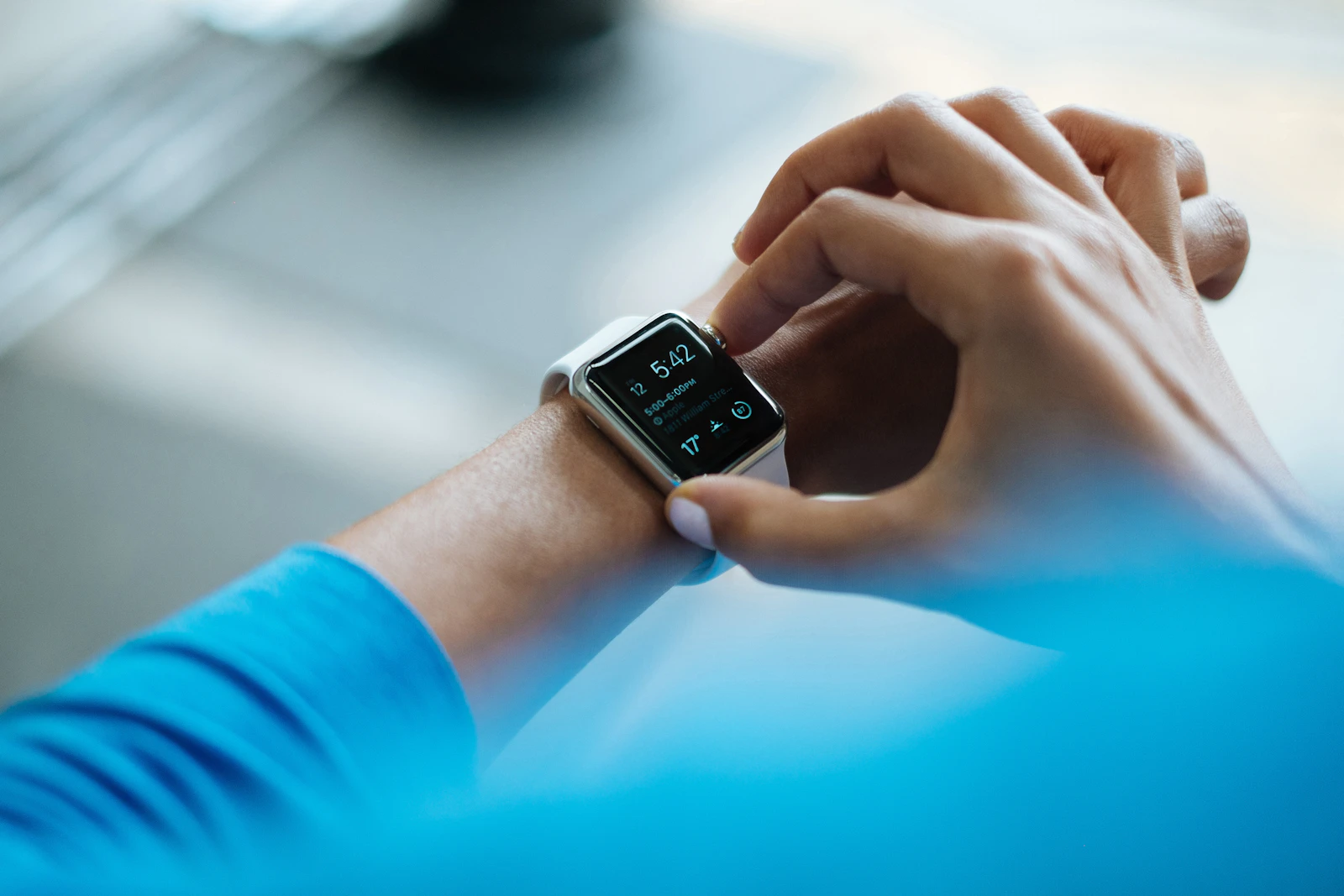
It investigated how close the caloric expenditure calculated during physical activity by the Apple Watch Series 8, Fitbit Sense 2, Samsung Galaxy Watch 5, and Garmin Forerunner 955 was to COSMED K5 indirect calorimetry. In addition, the effect of body fat percentage and skin tone on measurement error was evaluated.
How was it done?
While participants wore the watches, COSMED K5 metabolic system measurements were used as the reference. After quality filters, the analyzable matches per device were 52 for Apple, 51 for Garmin, 50 for Samsung, and 44 for Fitbit.
What was found?
Mean caloric estimation bias was statistically significant across three devices. Mean deviations were reported as +21.6 kcal for Apple, +68.6 kcal for Garmin, and +56.8 kcal for Samsung. Although Fitbit’s mean bias appeared small after filtering, the seven excluded outliers accounted for approximately 13% of the Fitbit trials. The median absolute percent error of the devices ranged approximately between 15%–25%. As body fat percentage increased, the magnitude of error also increased.
Limitations of the study
The laboratory protocol does not represent all movements of daily life. The tested models may receive software/algorithm updates over time. Caloric estimation is not just a single number; activity type, physiology, and sensor signal affect the model.
What does it mean clinically?
Smartwatches can be useful for tracking activity habits and trends; however, individual energy expenditure figures such as “I burned exactly 742 kcal today” are not as reliable as clinical calorimetry. Especially in weight management, eating back the calories shown by the device on a one-to-one basis may be erroneous.
What do we not know yet?
Further studies are needed regarding the accuracy of new-generation devices, their performance in free-living conditions, and the extent to which personalized calibration can reduce error.
Reference
Kostrna J, Oparina E, Palacios C, et al. Body fat, skin tone, and the accuracy of smartwatch caloric expenditure estimates. PLOS ONE. 2026;21(7):e0353261. DOI: 10.1371/journal.pone.0353261. Publication date: July 29, 2026.
Related reading: Smartwatches and the Accuracy of Health Data · VO₂max and Cardiorespiratory Fitness · Longevity Check-up
Written and medically reviewed by: Dr. Kerem Çağlayan · All Scientific Research
Detailed evaluation
Why does body composition matter?
The fact that physical activity energy expenditure error in the study was associated with body fat percentage indicates that the algorithms do not possess the same accuracy across different body compositions.
Conclusion
Interpreting wearable data as trend data rather than “exact calories” is a more accurate approach in terms of clinical practice and weight management.
Medical evaluation note: This content has been prepared to interpret scientific data; it is not a personalized diagnostic or treatment recommendation.