Which wavelengths are used?
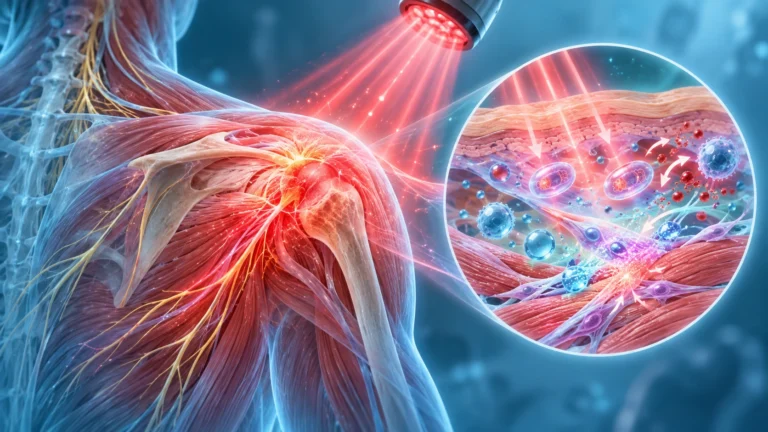
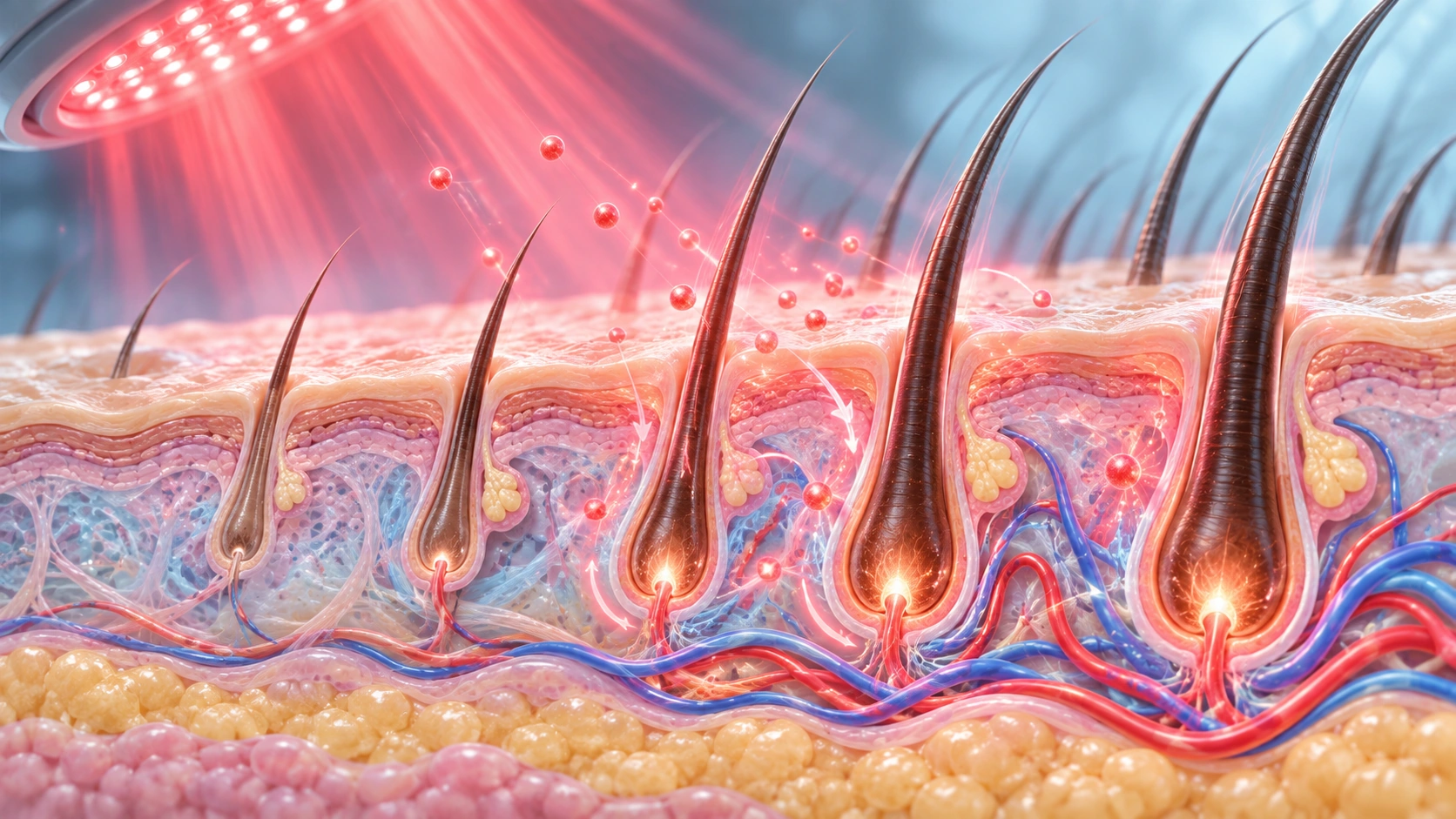
Skin studies have frequently utilized the ranges of approximately 630–660 nm red light and 800–850 nm near-infrared. A 2025 randomized study compared different application frequencies with 660 nm red LED; combinations of 630 nm red light and 850 nm near-infrared have also been evaluated in other controlled studies.
How can it be effective on collagen?
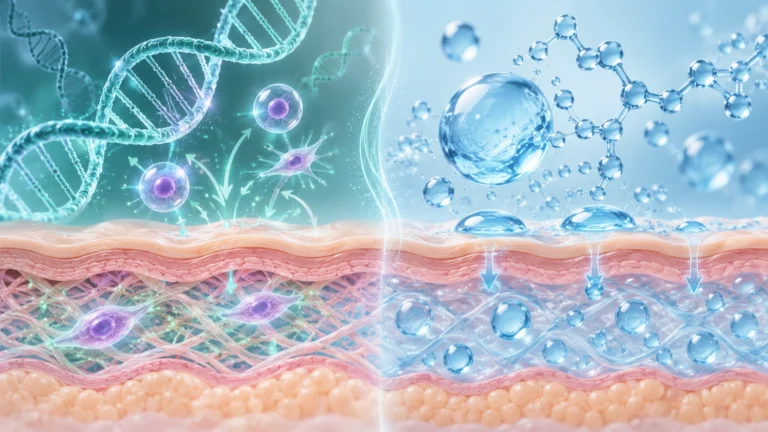
It is thought that photobiomodulation may affect collagen and elastin structure via fibroblast activity, cellular energy metabolism, and extracellular matrix signaling. Clinically, these mechanisms may contribute to improvements in skin texture and fine lines; however, on its own, it does not mean a guaranteed outcome such as “definitely renews collagen.”
How effective is it on wrinkles?
Positive outcomes have been reported in various controlled studies regarding periocular fine lines and facial skin quality. However, the devices and doses used in the studies are not the same. Therefore, simply having “red light” written on a device does not guarantee the exact same results as clinical studies.
For which skin concerns is it considered?
- Fine lines and early photo-aging
- Decrease in skin elasticity
- Dull and tired skin appearance
- Healing support following certain procedures
- Complementary application to other skin rejuvenation methods
Is red light the same thing as CO₂ laser or RF microneedling?
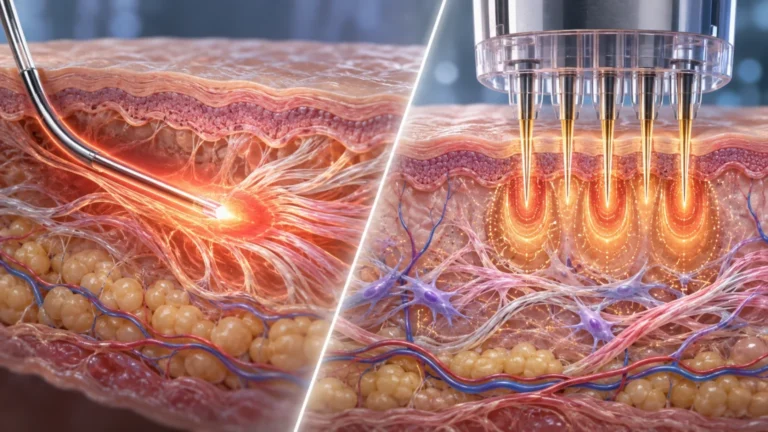
No. Red light is a non-ablative and low-energy biostimulation approach. Fractional CO₂ laser and RF microneedling, on the other hand, aim to create a stronger remodeling response through controlled tissue injury. Which method is more appropriate varies depending on skin age, wrinkle depth, tendency for pigmentation, downtime, and expectations.
Our approach in our Bodrum clinic
We do not treat photobiomodulation solely as a “rejuvenation device,” but as one of the tools we evaluate based on the skin problem and goal. Following skin analysis, it can be positioned alongside options such as Skin Rejuvenation and Wrinkle Treatments, Salmon DNA / PN-PDRN, or Endolifting.
Frequently asked questions
Do at-home LED masks work?
Controlled studies conducted with certain at-home devices have reported positive results. However, the actual light dose, wavelength, and regimen of use vary from device to device; therefore, product specifications are important.
Does red light completely eliminate deep wrinkles?
Improvements in fine lines and skin quality may be observed; however, complete elimination should not be expected in deep wrinkles on its own. Stronger remodeling methods may be required.
References
- Role of PBM application frequency in facial rejuvenation, 2025
- LED/IRED mask randomized sham-controlled study, 2025
- Evidence-based consensus on PBM, 2025
Written and medically reviewed by: Dr. Kerem Çağlayan
Last medical review: September 10, 2026