
Who is it evaluated for?
An evaluation can be performed for individuals experiencing low back, neck, knee, shoulder, head, nerve root, or widespread musculoskeletal pain, or whose pain is prolonged, recurrent, or affecting daily life. The priority is to accurately identify the type of pain and accompanying findings.
When to consult a pain doctor in Bodrum?
If low back or neck pain, sciatica, knee and shoulder pain, migraine, neuropathic pain, or chronic pain lasting longer than three months is affecting daily life, a physician evaluation is meaningful. At our Bodrum clinic, the primary goal is to differentiate the source of pain, nervous system findings, and warning signs, and then create a stepped treatment plan that avoids unnecessary procedures while preserving movement and function.
How is it planned?
The plan is established through history, physical examination, and, if necessary, imaging and laboratory data. Exercise, rehabilitation, medication, injections, laser, ozone, or other methods are added to the plan only if they align with the individual’s clinical needs.
Pain and complaint showcase
By selecting the painful area or the topic that best matches your complaint, you can examine the causes, red flags, and treatment options in detail.
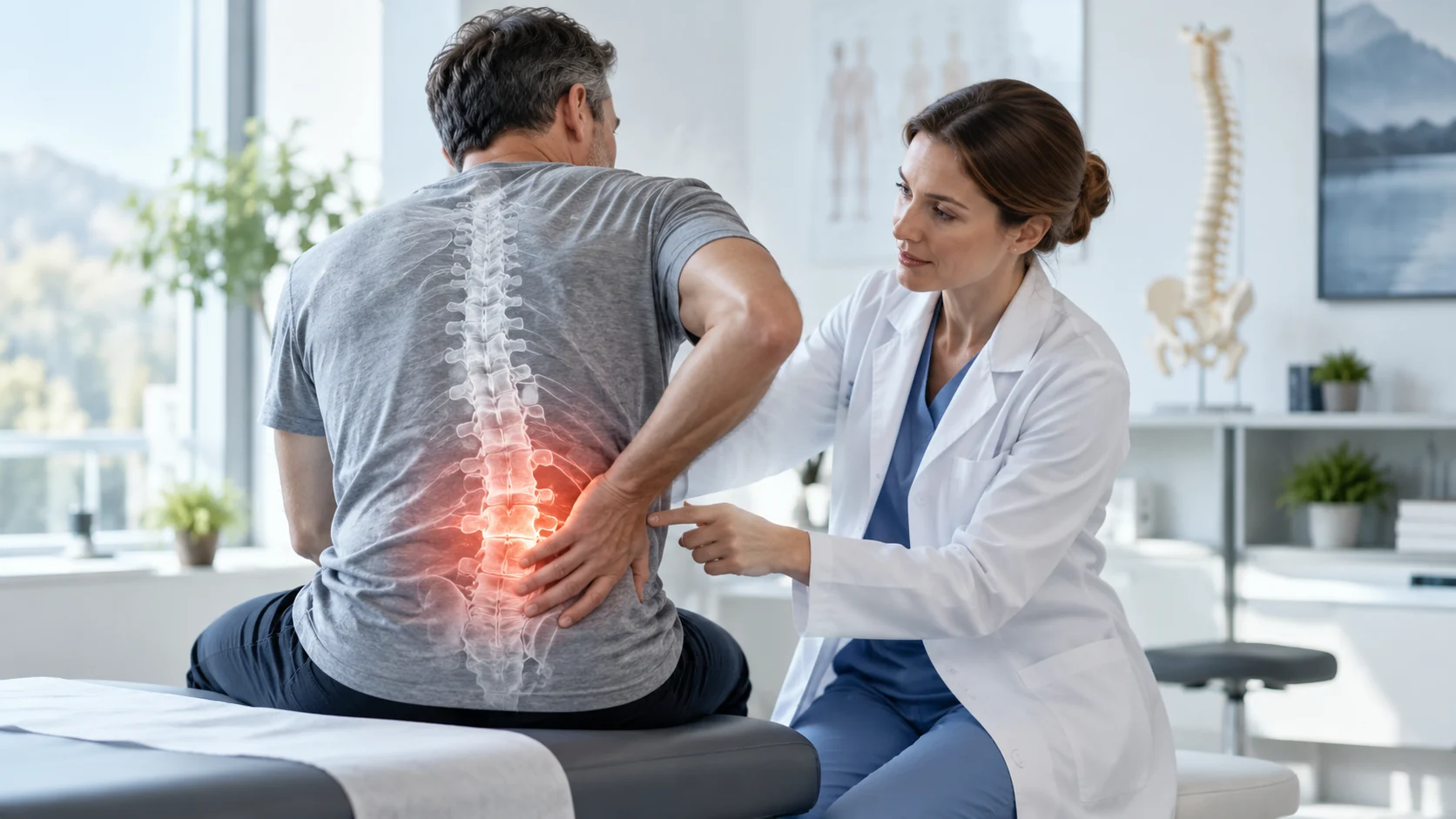 Low Back Pain and Lumbar Herniated Disc
Mechanical pain, nerve root, and red flags
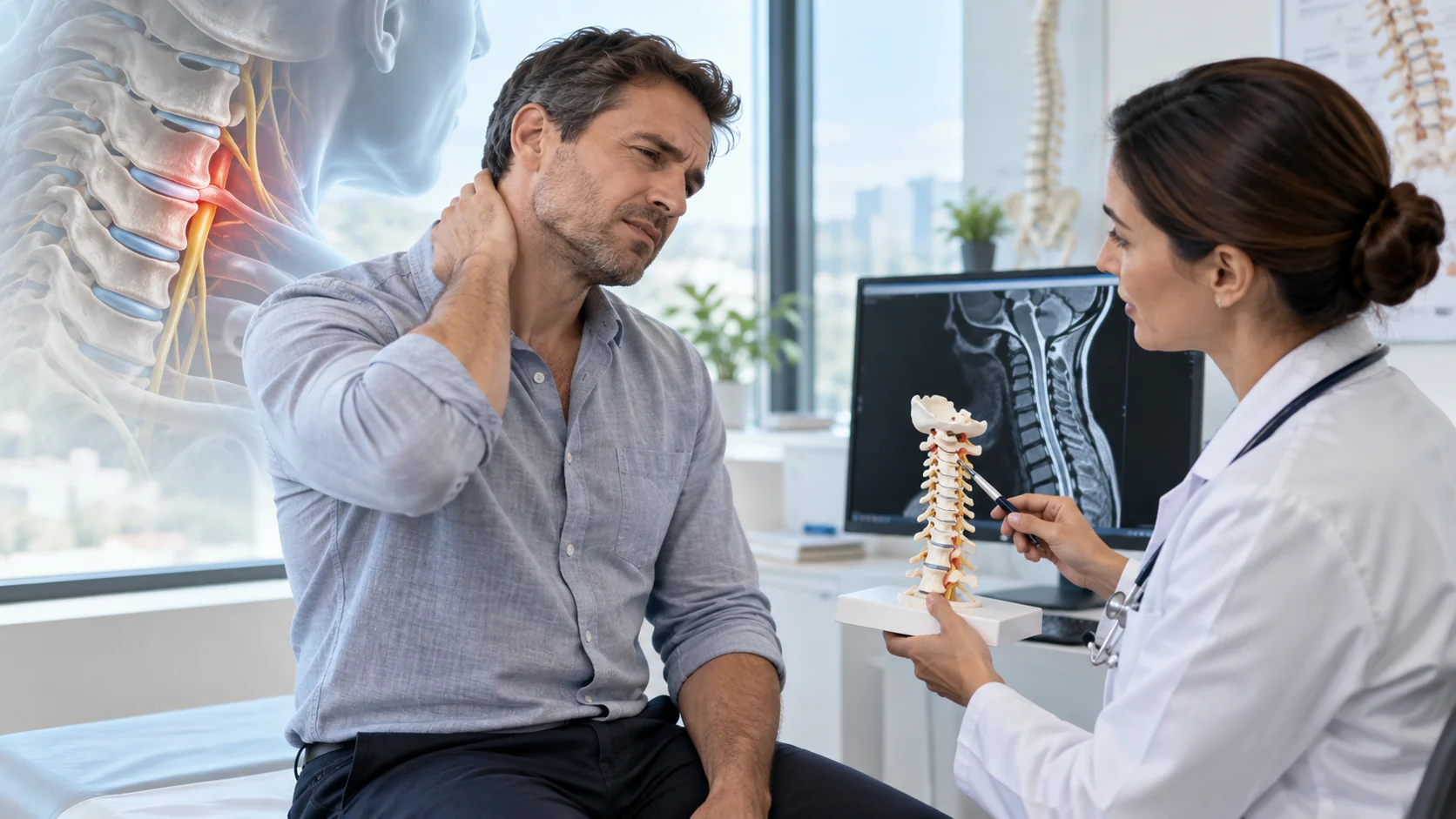 Neck Pain and Cervical Herniated Disc
Neck, pain radiating to the arm, and neurological evaluation
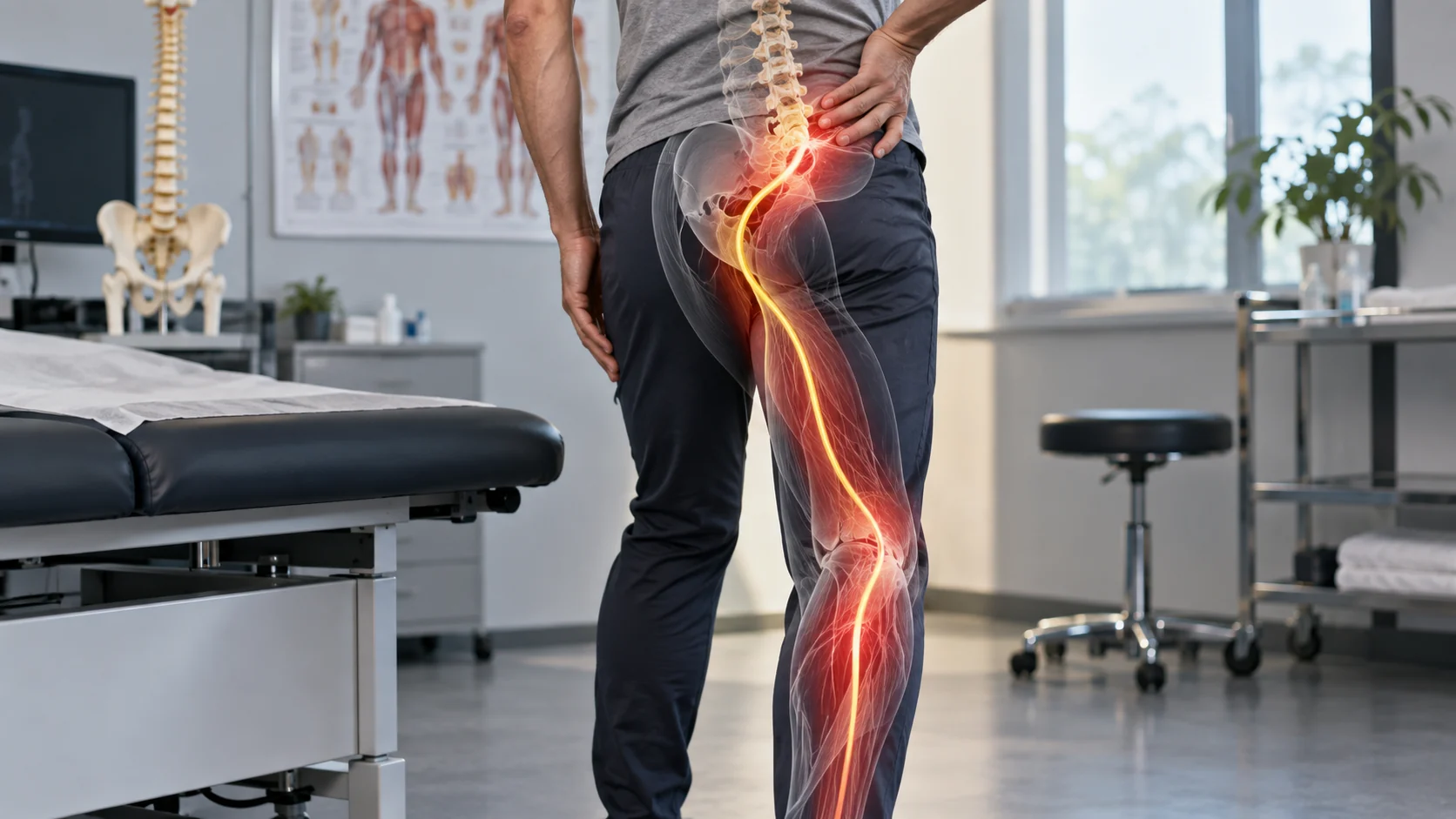 Sciatica and Neuropathic Pain
Burning, numbness, tingling, and nerve root pain
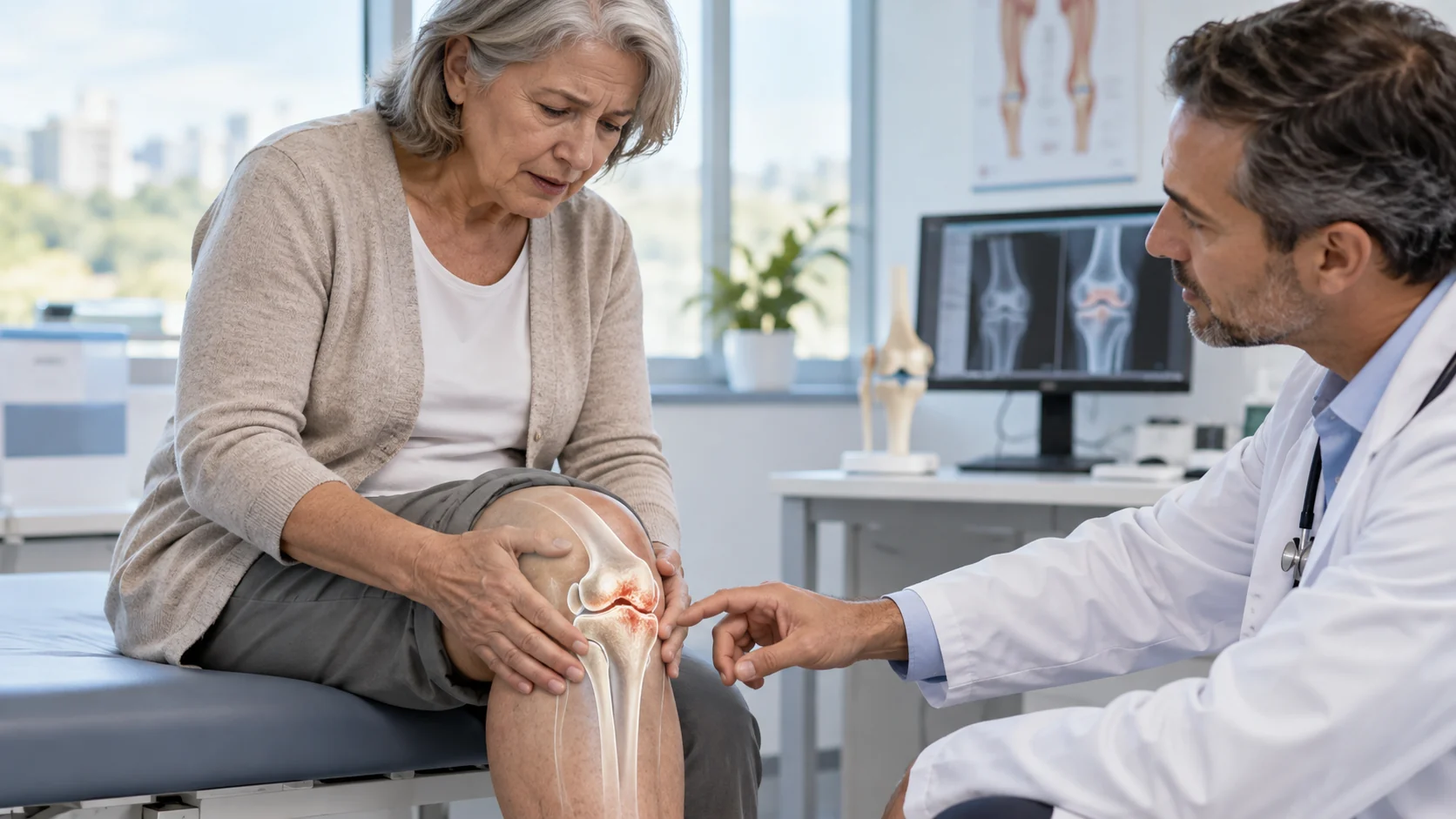 Knee Pain and Osteoarthritis
Exercise, weight management, injections, and interventions
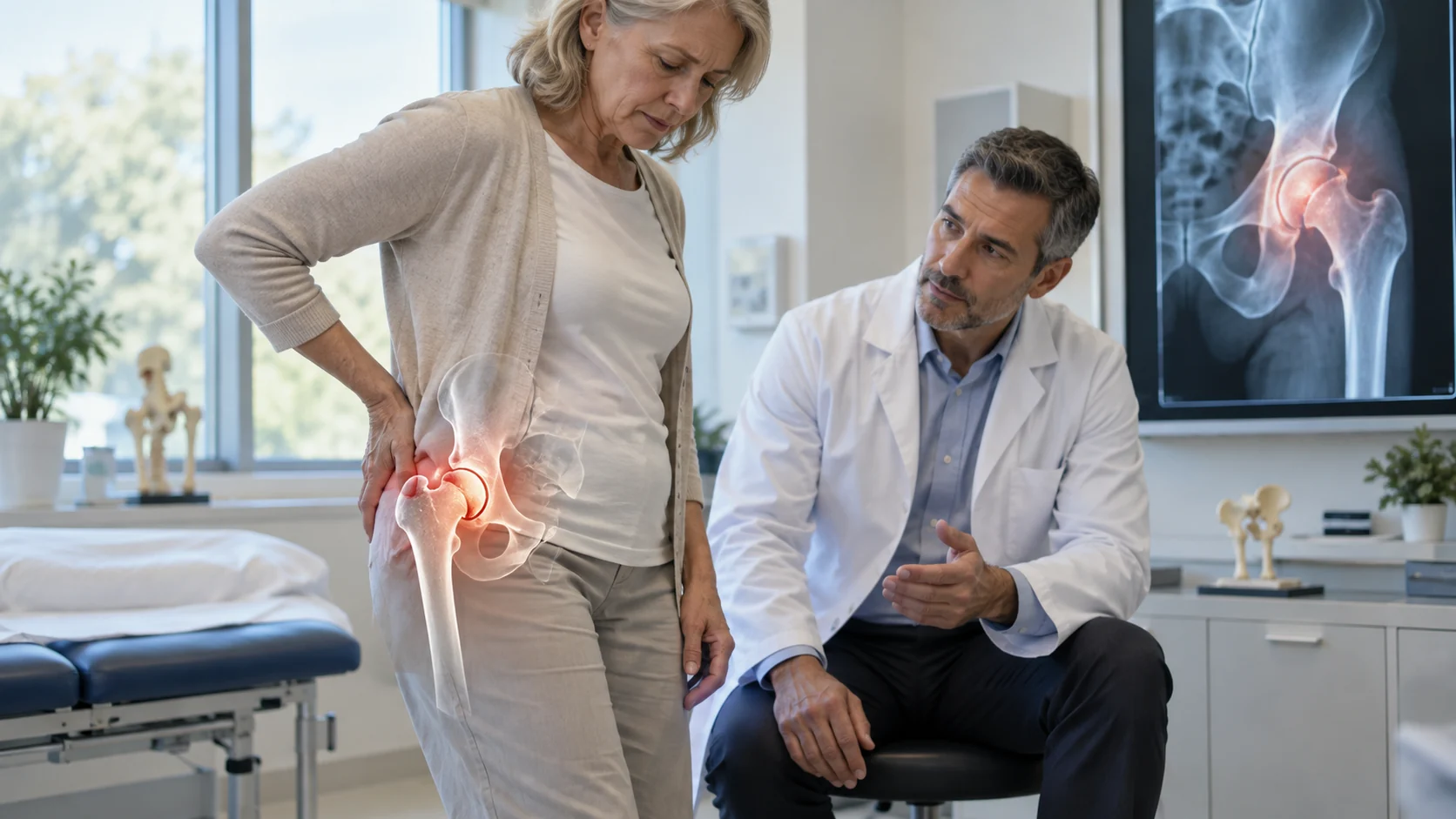 Hip Pain
Hip osteoarthritis and restricted mobility
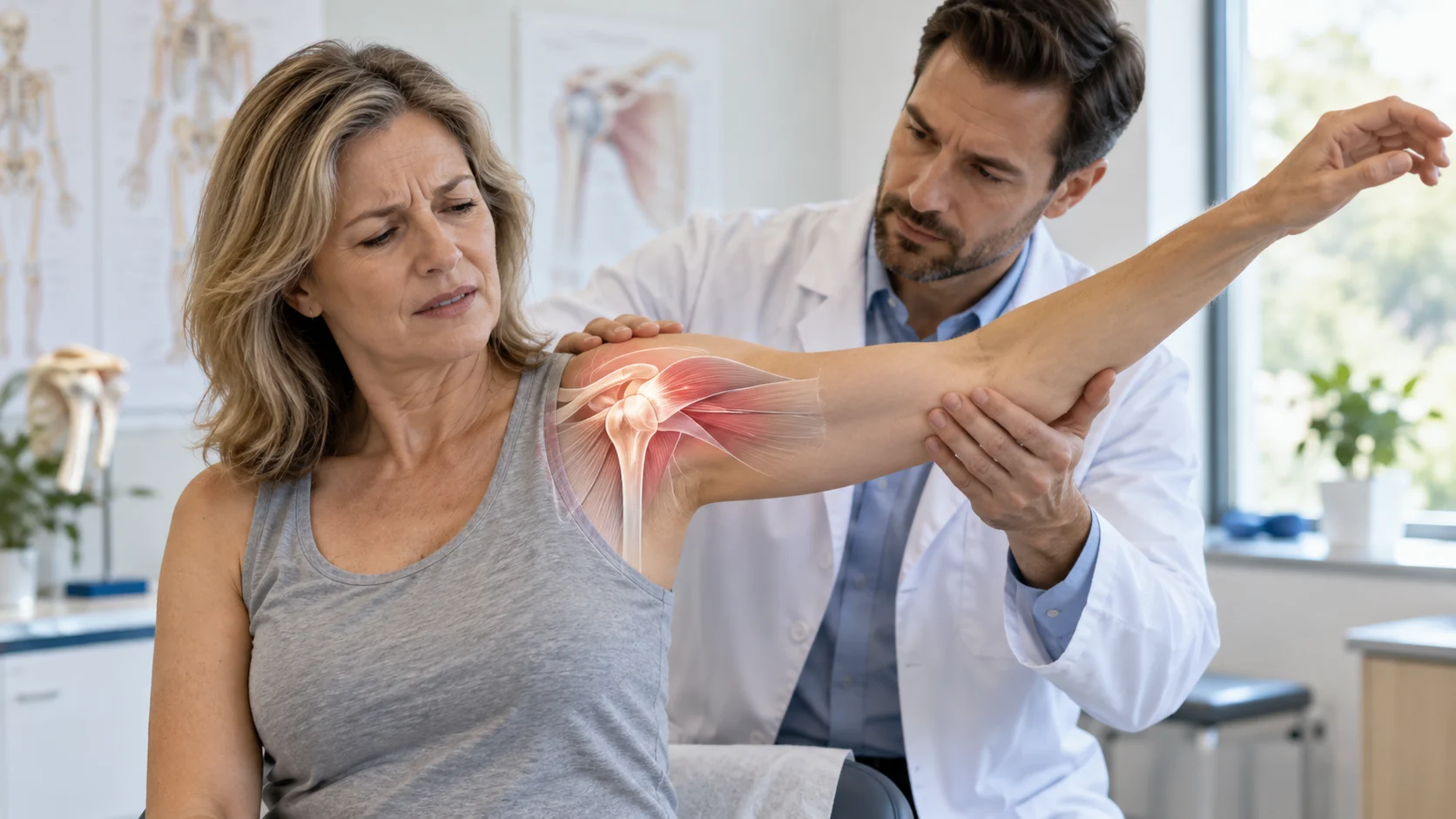 Shoulder Pain
Rotator cuff, frozen shoulder, and loss of motion
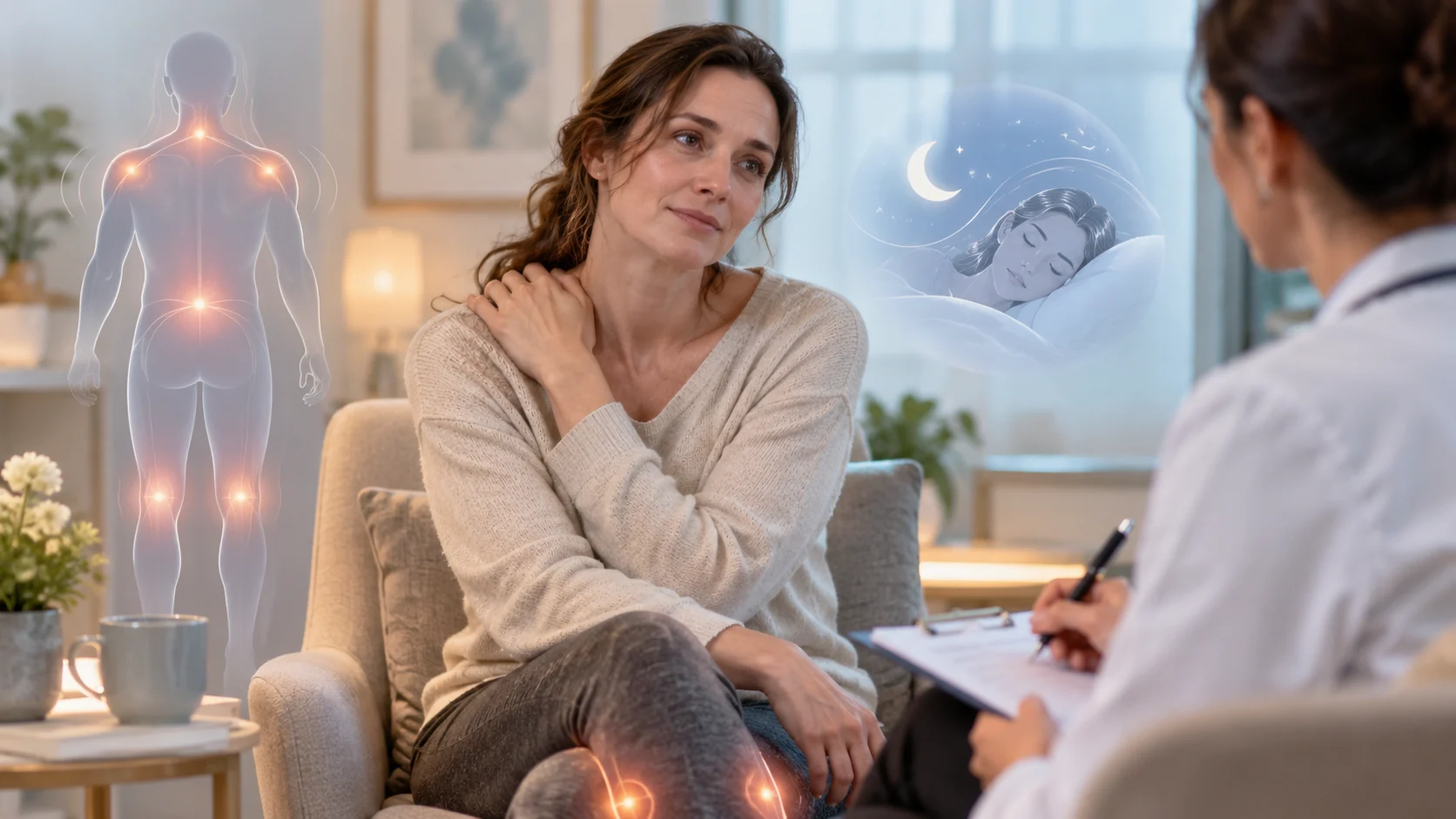 Fibromyalgia
Widespread pain, fatigue, and their relationship to sleep
 Headache and Migraine
Migraine, tension-type headache, and emergency signs
Key points
- Pain is a multidimensional experience interacting with tissue, the nervous system, movement, sleep, stress, and daily life.
- Acute and chronic pain are not evaluated in the same way; treatment is individualized according to the mechanism of pain.
- An MRI, injection, or a single modality may not be necessary for every pain; the clinical question determines which diagnostic test or intervention is needed.
- The goal is not only to reduce symptoms, but to improve the individual’s function and capacity for movement.
What is evaluated in the initial assessment?
The onset, location, and radiation of the pain, its relationship to movement and nighttime, neuropathic features such as burning and electric shock-like sensations, muscle strength, reflexes, range of motion, and daily function are evaluated together. Current medications, sleep, stress, previous interventions, and response to treatments also influence the plan.
Treatment options
The plan may include education, graded physical activity, physical therapy, strength and mobility training, sleep-stress management, and appropriate medical treatments. In some patients, targeted injections, nerve blocks, radiofrequency procedures, or other interventional methods may be evaluated.
Laser Pain Treatment
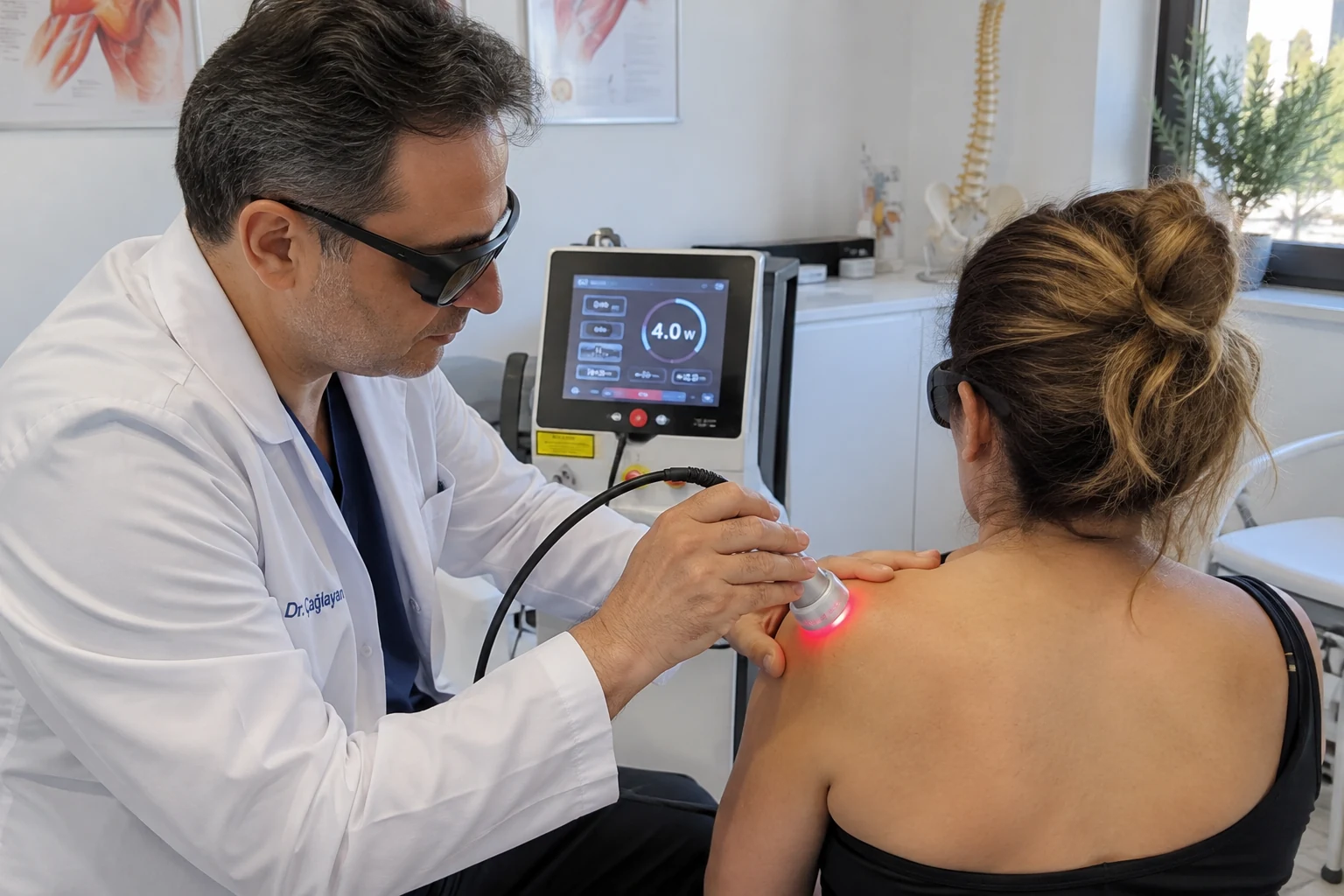
In our Bodrum clinic, we use 980 nm and, in selected cases, 1470 nm diode laser technologies as a supportive method directed at the target tissue identified by physical examination in myofascial pain, tendon-related pain, and certain periarticular pains. 980 nm is our primary wavelength, particularly in superficial and mid-depth muscle-tendon structures; 1470 nm is evaluated selectively according to the anatomical target due to its higher water absorption and superficial thermal characteristics. For most musculoskeletal problems, we plan laser application not as a replacement for exercise, rehabilitation, and load management, but as an option that complements them.
Laser Pain Treatment980 nm and, in selected cases, 1470 nm approach
 Myofascial Pain and Trigger Point
Targeted laser approach in neck, trapezius, back, and low back muscles
Shoulder and Rotator Cuff PainSupportive laser in rotator cuff and subacromial pain
Elbow, Wrist, and Tendon PainTennis elbow, golfer’s elbow, and superficial tendinopathies
Laser for Knee PainOsteoarthritis, patellofemoral pain, and periarticular targets
Achilles and Plantar FasciitisSuperficial targeting in the Achilles tendon and plantar fascia
Complementary and regenerative options
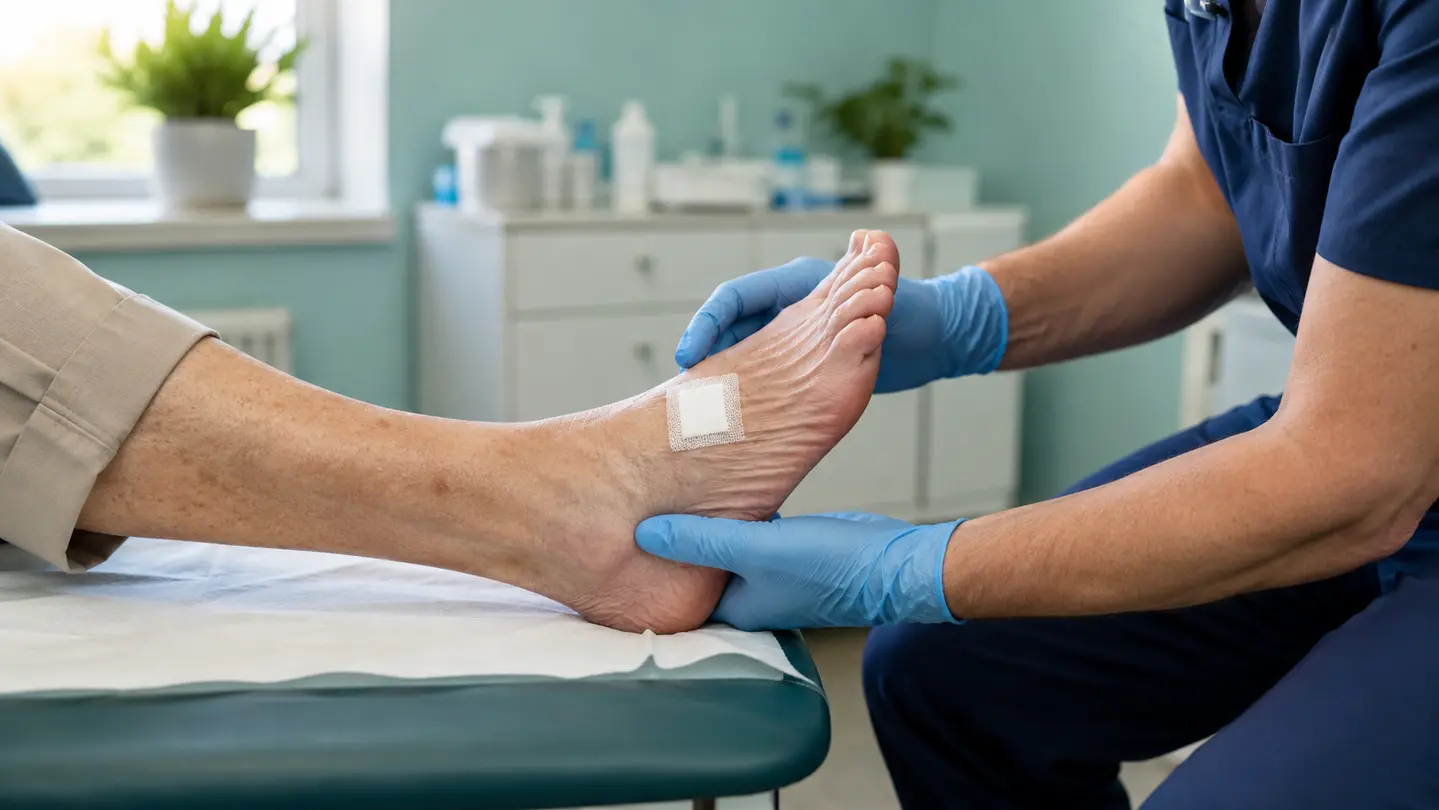 Ozone and Pain
Intra-articular, paravertebral, and local approaches
 Red Light / PBM
Musculoskeletal system and recovery
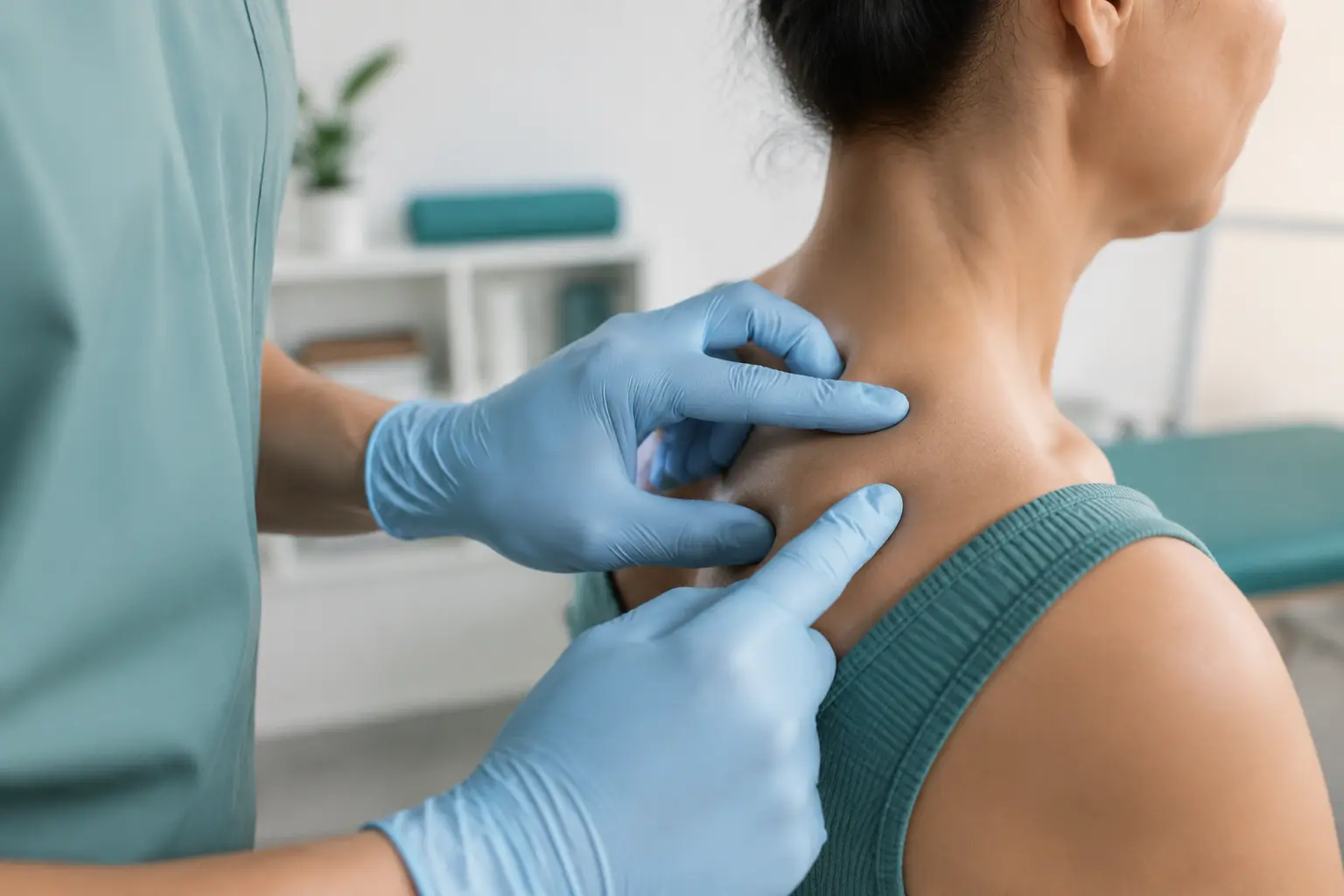 Trigger Point and Microdose
Guide to the local pain approach
Which approach is evaluated when in pain management?
| Clinical condition | Initial approach | Additional options if needed |
|---|---|---|
| Mechanical low back, neck, or joint pain | Examination, load management, movement, and rehabilitation | Medication, laser, targeted injection, or other interventions |
| Nerve root / neuropathic pain | Neurological evaluation and differentiation of the cause | Medication, blocks, interventional methods, and selected supportive therapies |
| Knee osteoarthritis | Exercise, weight management, strength, and function | PRP, selected injections, laser, or other supportive options |
| Myofascial and tendon-related pain | Clinical evaluation of target tissue and load adjustment | Rehabilitation, laser, and selected local applications |
| Chronic widespread pain | Combined evaluation of sleep, activity, stress, medications, and function | Multimodal pain management and appropriate complementary approaches |
Clinical decision point: An MRI image or device name alone does not determine treatment; the mechanism of pain, neurological findings, and loss of function are evaluated together.
Our approach in our Bodrum clinic
Instead of placing a single device or procedure at the center, we first identify the probable mechanism of pain, loss of function, and the individual’s priorities. We stage treatment with measurable goals, planning medical therapy, rehabilitation, interventional procedures, and complementary applications to support one another when needed.
When is emergency evaluation required?
Newly developing significant muscle weakness, changes in bowel or bladder control, numbness in the saddle area, severe pain accompanied by fever, major trauma, sudden severe headache, or rapidly progressing neurological findings may require emergency evaluation.
Which approach is considered when in pain?
| Clinical pattern | Initial focus | Selected additional approaches |
|---|---|---|
| Mechanical / movement-dependent pain | Examination, function, exercise, and rehabilitation | Imaging, laser, or interventional options if needed |
| Neuropathic / nerve-related pain | Neurological evaluation and determination of the cause | Medication, rehabilitation, and selected interventional methods |
| Myofascial / trigger point pain | Musculoskeletal examination and movement analysis | Exercise, manual approaches, laser, or local applications |
| Inflammatory or systemic suspicion | Investigation of underlying disease | Relevant specialty and laboratory evaluation |
A single technology is not suitable for all pain types. Treatment selection is made together with the pain mechanism, loss of function, and individual risks.
References
- International Association for the Study of Pain. Pain terminology.
- National Institute for Health and Care Excellence. Chronic pain: assessment and management.
- World Health Organization. ICD-11 chronic pain classification.
Written and medically reviewed by: Dr. Kerem Çağlayan
Last medical review: September 27, 2026
Image note: The page image is a representative clinical visual generated with artificial intelligence.
Information: This content is for general medical informational purposes only; it does not substitute for personal diagnosis or treatment recommendations.
Editorial and Medical Review Policy
Clinical evaluation in Bodrum: you can use the Bodrum Clinic and Appointment and Contact pages to discuss whether the procedure is suitable for you.