.botox-catalog{display:grid;grid-template-columns:repeat(auto-fit,minmax(230px,1fr));gap:18px;margin:18px 0 34px}
.botox-card{display:flex;flex-direction:column;overflow:hidden;border:1px solid #d8dee8;border-radius:14px;background:#fff;text-decoration:none!important;color:inherit;box-shadow:0 4px 16px rgba(20,35,55,.05);transition:transform .18s ease,box-shadow .18s ease}
.botox-card:hover{transform:translateY(-3px);box-shadow:0 8px 24px rgba(20,35,55,.10)}
.botox-card img{width:100%;aspect-ratio:16/9;object-fit:cover;display:block}
.botox-card-body{display:block;padding:16px 17px 18px}
.botox-card-body strong{display:block;font-size:1.04rem;line-height:1.3;margin-bottom:7px}
.botox-card-body span{display:block;font-size:.94rem;line-height:1.55;color:#53606f}
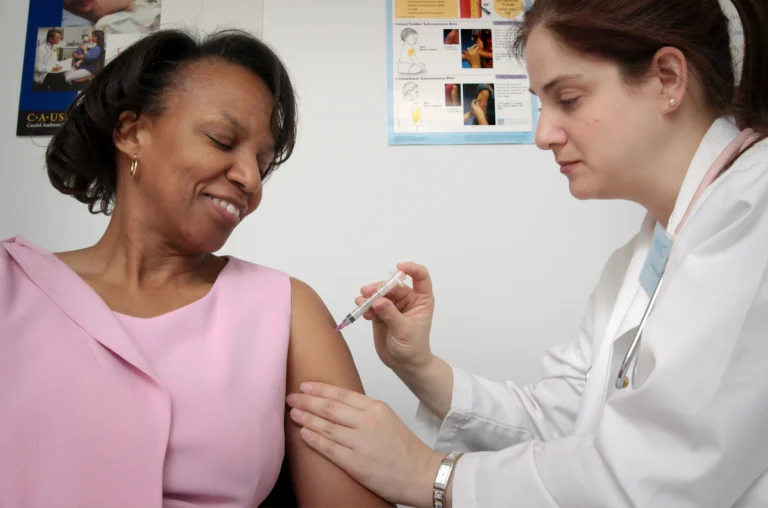
Guide to botulinum toxin applications
Botulinum toxin does not consist solely of aesthetic wrinkle treatments. It can be evaluated for different purposes, ranging from balancing muscle activity in the face and neck to chronic migraine, certain movement disorders, excessive sweating, and selected other clinical conditions. The goal, expected benefit, level of evidence, and safety assessment of each application are different from one another. This catalog has been prepared for you to quickly access the right guide.
Aesthetic applications
 Forehead LinesFrontalis activity, brow position, and natural facial expression balance.
 Between the Brows (Glabella)Evaluation of frown muscles and dynamic glabellar lines.
 Crow’s FeetDynamic lines around the eyes, smile, and eyelid function.
 Brow ShapingA limited and individualized balancing approach to brow position.
 Bunny LinesAnatomical evaluation of expression lines on the nasal bridge.
 Gummy SmileEvaluation of gingival display alongside lip, dental, and maxillary anatomy.
 Nasal TipA selective approach to nasal tip movement that changes with facial expressions.
 Perioral LinesPlanning that preserves speech and lip function for lines around the mouth.
 Lip FlipLimited muscle modulation affecting upper lip appearance without adding volume.
 Corners of the MouthEvaluation of the muscle activity pulling the corners of the mouth downward in selected cases.
 ChinMentalis activity and dynamic orange peel appearance on the chin.
 Masseter / Facial ContourEvaluation of muscle hypertrophy, facial contour, and mastication function together.
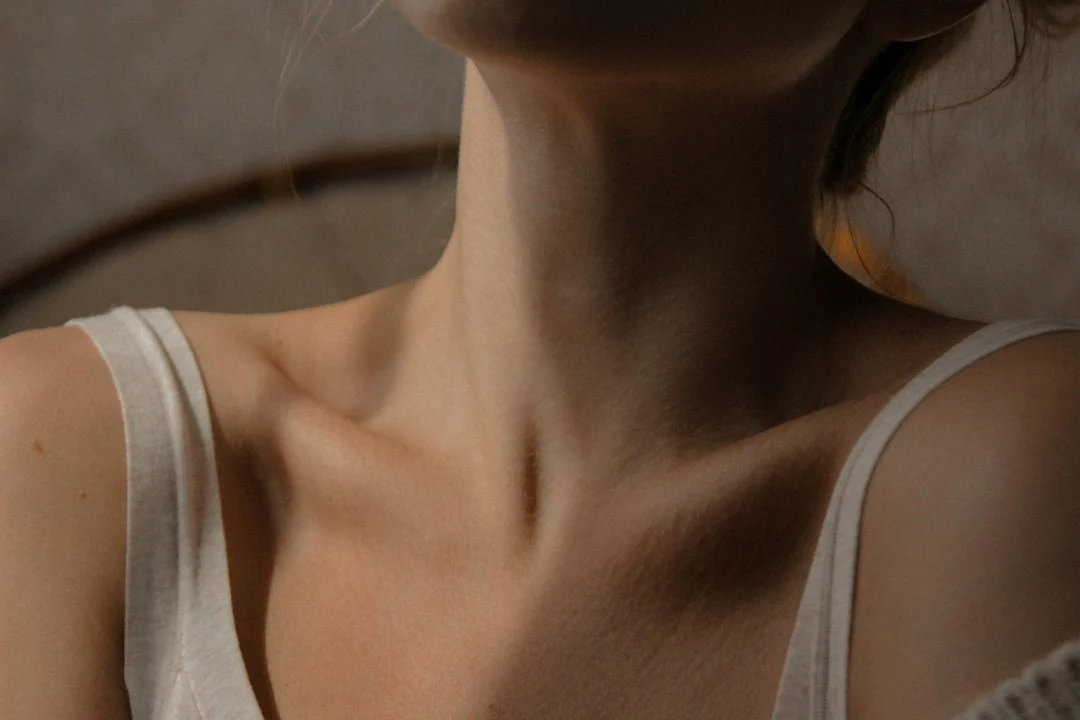 Platysmal BandsDynamic platysmal bands in the neck and lower face–neck balance.
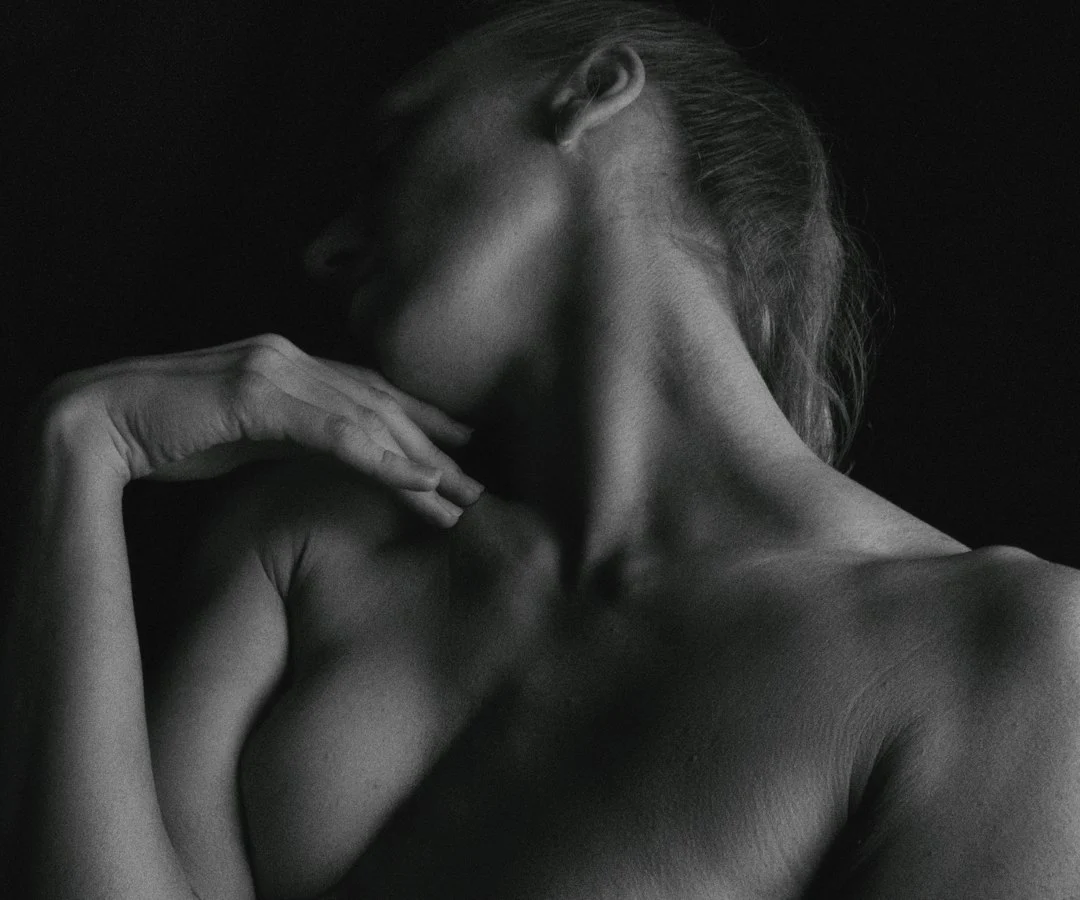 Nefertiti LiftA limited, non-surgical approach targeting muscle balance of the lower face and neck.
Therapeutic Applications
 Chronic MigrainePreventive treatment planning, headache diary, and follow-up in chronic migraine.
 Bruxism / Masseter PainSelected approach in teeth clenching, muscle hyperactivity, and myofascial jaw pain.
 Underarm SweatingEvaluation focused on sweating severity and quality of life in axillary hyperhidrosis.
 Hand SweatingBalancing hand function with sweating control in palmar hyperhidrosis.
 Foot SweatingEvaluation of sweating, sensitivity, and walking comfort in plantar hyperhidrosis.
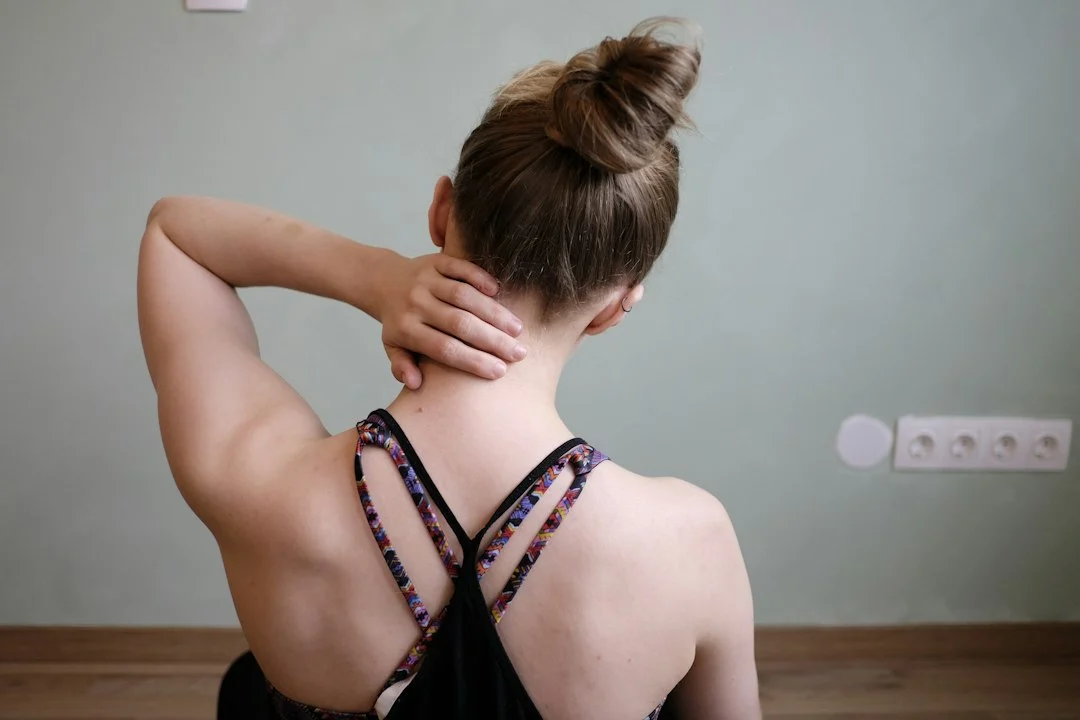 Cervical DystoniaInvoluntary neck contractions, head position, function, and associated pain.
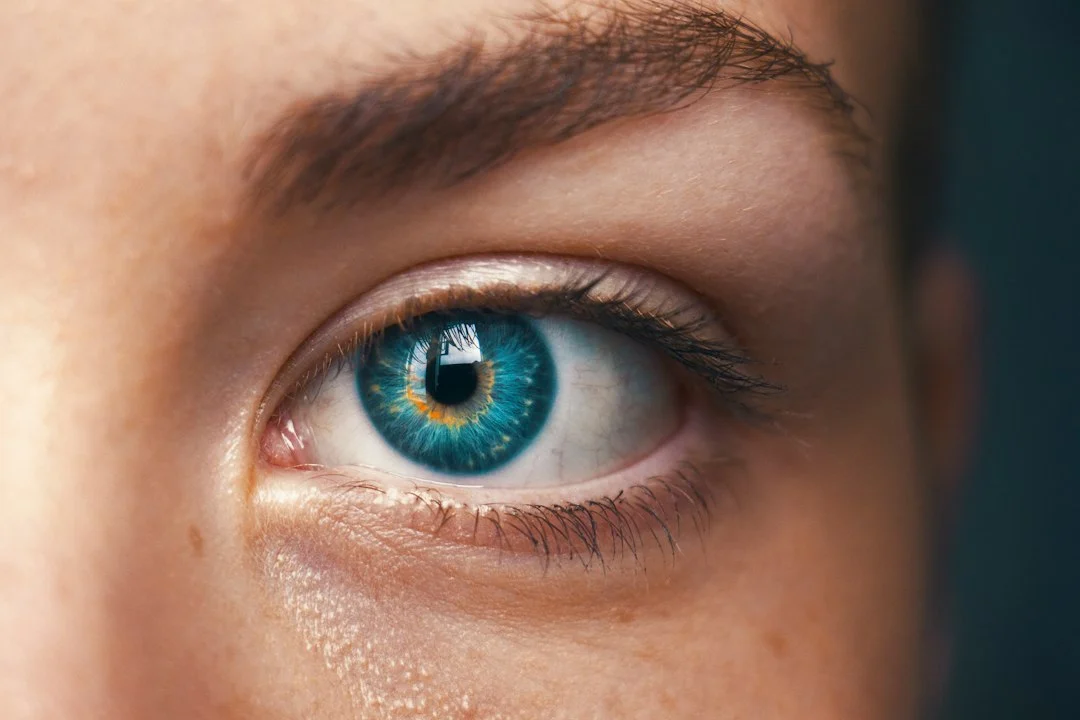 BlepharospasmInvoluntary periocular contractions and their effects on visual function.
 Hemifacial SpasmSymptom control and facial function in unilateral facial spasms.
 SpasticityExcessive muscle tone, function, ease of care, and rehabilitation goals.
 SialorrheaSwallowing safety and dry mouth balance in excessive salivation.
 Overactive BladderSelected urological approach for complaints of urgency, frequent urination, and incontinence.
 Safety and EvaluationPre-treatment evaluation, potential side effects, and follow-up principles.
Applications related to pain treatment
Chronic MigrainePreventive treatment plan, headache diary, and follow-up in chronic migraine.Bruxism / Masseter PainA selected approach for teeth grinding, muscle hyperactivity, and myofascial jaw pain.Cervical DystoniaInvoluntary neck contractions, head position, function, and associated pain.SpasticityExcessive muscle tone, function, ease of care, and rehabilitation goals.Botulinum toxin is not a general pain treatment used for every type of pain. It is evaluated on a diagnosis-specific basis in specific clinical conditions such as chronic migraine, myofascial pain accompanying marked masseter hyperactivity, and painful cervical dystonia. In spasticity, however, the primary goal is muscle tone and function; accompanying pain can be monitored separately. For a general approach, see Pain and Algology Guides →
Our approach at our Bodrum clinic
We evaluate the procedure not merely as an injection process, but based on the individual’s anatomy, dynamic muscle activity, functional complaints, medical history, prior treatments, and realistic goals. In aesthetic applications, we prioritize the preservation of natural facial expressions and function; in therapeutic applications, we prioritize measurable clinical goals and an appropriate follow-up plan.
Safety and follow-up
The effect of botulinum toxin is temporary and may become apparent at different times depending on the application area. Temporary tenderness, redness, or bruising may occur; area-specific unintended muscle weakness can also develop. Appropriate patient selection, anatomical evaluation, and scheduled follow-ups are the foundation of a safe approach. Rare serious symptoms, such as generalized weakness, marked difficulty swallowing, or breathing difficulty, require immediate medical evaluation.
Evaluation in Bodrum: you can review the Bodrum Clinic page for personal suitability of procedures and clinical planning, and the Appointment and Contact section for appointments.