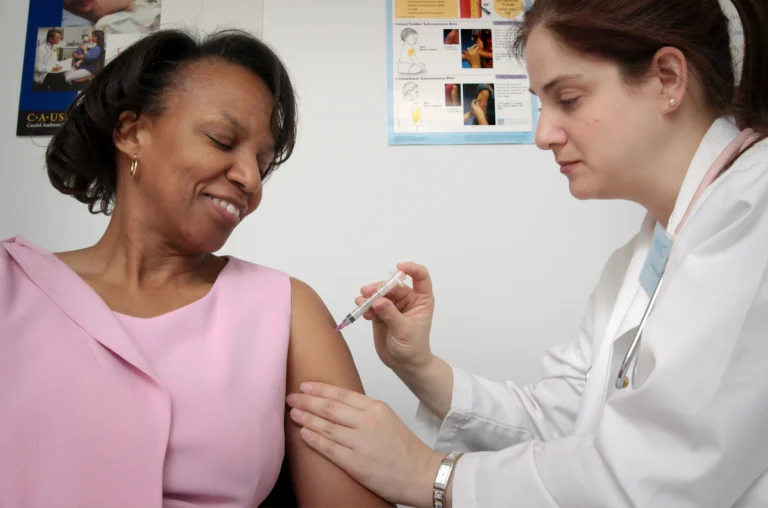
Purpose of the procedure
The effect is temporary and varies according to individual anatomy, clinical presentation, and the application area.
Who can be considered?
Confirmation of the diagnosis, severity of symptoms, functional goals, previously administered treatments, and accompanying diseases are evaluated together.
What is hemifacial spasm?
Hemifacial spasm generally presents with involuntary contractions in the muscles on one side of the face. In most people, it may start around the eye and spread to the lower facial muscles.
Symptom control and investigation of the cause
Botulinum toxin can be an effective symptomatic approach in reducing contractions; however, evaluating the underlying cause is important, especially in new-onset or atypical presentations. Treatment does not replace the necessary neurological examination.
Preservation of facial function
Functions such as eye closure, smile, and mouth movements are taken into account in the treatment plan. The goal is to avoid unnecessary facial weakness while reducing spasms.
Scientific evidence
This procedure is evaluated on the basis of the temporary modulating effect of botulinum toxin on neuromuscular or secretory activity. Scientific research and relevant specialty guidelines support the importance of appropriate patient selection and personalized clinical evaluation.
Safety
Pain and bruising may occur at the injection site. Depending on the target area, temporary adjacent muscle weakness may develop. If generalized weakness, difficulty swallowing, or breathing difficulties develop, urgent medical evaluation is required.
Post-procedure considerations
The response in the facial muscles develops gradually. Contact our clinic if significant difficulty closing the eye, unexpected changes in mouth movements, new visual complaints, or significant facial weakness develop. If there are facial exercises or a follow-up plan recommended by the physician, they are maintained according to the individual program.
Our approach at our Bodrum clinic
We approach the treatment plan not solely as an injection procedure, but within coordination of diagnosis, functional goals, rehabilitation, and relevant specialties when needed. Treatment goals, expected benefits, possible limitations, and risks are addressed in detail during the information process.
Frequently asked questions
Is the effect permanent?
No, it diminishes over time.
Is the dose the same for everyone?
No. The application plan is personalized according to the targeted muscle or gland, anatomy, functional findings, and clinical goals.
References
Based on peer-reviewed botulinum toxin research, systematic reviews, expert consensuses, and relevant clinical guidelines.
This page is for general informational purposes.
Who is evaluated?
In hemifacial spasm, evaluation focuses not only on the severity of the visible contraction, but also on the impact of unilateral facial movements on daily life, eye closure, and social comfort. In new-onset or atypical facial spasms, evaluating the underlying causes separately is important.
What is monitored during follow-up?
During follow-up, along with spasm control, eyelid closure, perioral movements, and potential excessive weakness in facial expression are monitored. The goal is to preserve natural facial function as much as possible while providing symptom control.
Frequently asked questions
Are hemifacial spasm and blepharospasm the same thing?
No. Involuntary contractions can be seen in both, but the distribution and underlying mechanism may differ; clinical evaluation aims to make this distinction.