Why are nutrition and sleep interconnected?
Sleep and nutrition are bidirectional. Inadequate sleep can affect appetite, the reward system, and glucose metabolism; nutrition, in turn, can influence sleep through circadian rhythms, melatonin synthesis, body temperature, gastrointestinal comfort, and blood glucose. Therefore, the answer to “what should I eat for sleep?” is the dietary pattern of the entire day rather than a single food.
The Mediterranean diet
A systematic review and meta-analysis published in 2025 evaluated 62 studies and a total of more than 328,000 participants. Good sleep quality and adequate sleep duration were associated with higher adherence to the Mediterranean diet. However, a significant portion of the studies were observational and do not demonstrate causality. In another 2025 review, most Mediterranean diet studies reported an association with better self-reported sleep quality, whereas the evidence for chrononutrition was more limited.
Can kiwi really help with sleep?
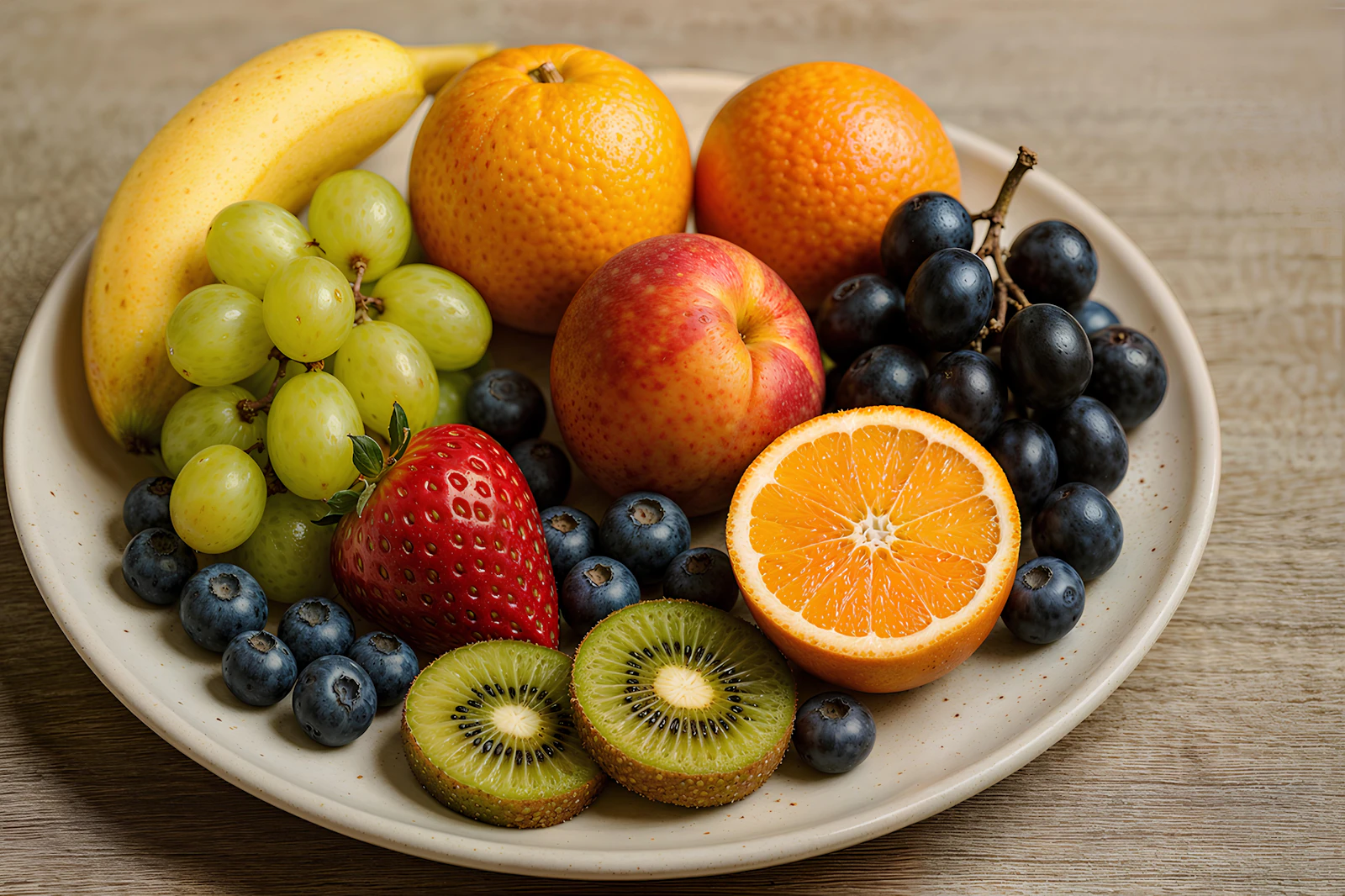
In the most widely cited small human study, 24 adults reporting sleep problems consumed two kiwis approximately one hour before bedtime for four weeks. Self-reported sleep onset latency and wakefulness during the night decreased; total sleep time and sleep efficiency increased. Because the study was small, uncontrolled, and older, it cannot be concluded that “two kiwis cure insomnia”; however, it is interesting as a low-risk nutritional signal.
Tart cherry and melatonin
A 2025 systematic review evaluated seven interventional studies. Some studies showed improvements in sleep duration, efficiency, or sleep onset measurements; some studies reported increases in melatonin levels. However, there was marked heterogeneity in dosage, product formulation, study duration, and participant characteristics. Therefore, tart cherry should not be considered an alternative to standard insomnia treatment.
Tryptophan and protein
Tryptophan is an amino acid used in the synthesis of serotonin and melatonin. It is found in many foods, including dairy products, eggs, fish, turkey, nuts, and legumes. However, the assumption that a meal high in tryptophan will automatically increase brain melatonin is simplistic; transporter competition with other amino acids, carbohydrate content, and overall meal composition affect the outcome.
Are evening carbohydrates harmful?
There is no single rule. Late meals that are very large, high in fat, or reflux-triggering can impair sleep quality. Conversely, in some individuals, a balanced evening meal may reduce nocturnal hunger and glycemic fluctuations. The clinical approach should be personalized based on the individual’s reflux, diabetes, CGM data, exercise timing, and sleep schedule.
Caffeine: one of the strongest diet-sleep variables
Caffeine blocks adenosine receptors. The duration of its effect varies from person to person depending on CYP1A2 genetics, hepatic metabolism, pregnancy, medications, and habituation. In individuals with sleep problems, reducing afternoon and evening caffeine may be more effective than adding a “sleep food.”
Why is alcohol not a sleep aid?
Alcohol may initially provide sedation; however, it can disrupt sleep continuity in the second half of the night, alter REM architecture, and worsen snoring and obstructive sleep apnea. Therefore, the fact that it facilitates falling asleep does not mean it improves sleep quality.
Practical approach
- Avoid making the evening meal excessively large and very fatty.
- Make caffeine timing one of the first assessments when evaluating sleep problems.
- Increase the proportion of vegetables, fruits, whole grains, olive oil, fish, legumes, and nuts in the daily diet.
- Consider kiwi or tart cherry not as a replacement for medication, but as a low-risk nutritional trial in appropriate patients.
- Investigate the underlying cause in cases of persistent insomnia, snoring, apnea, restless legs, or excessive daytime sleepiness.
When is a clinical evaluation necessary?
If sleep problems persist for more than three months, recur several nights a week, impair daytime functioning, or if snoring/apnea is suspected, nutritional recommendations alone should not suffice.
Related reading
Healthy Aging and Longevity · Caffeine and Wakefulness
References
- Arab A, et al. Sleep and the Mediterranean diet: A systematic review and meta-analysis. Sleep Med Rev. 2025;80:102071. DOI: 10.1016/j.smrv.2025.102071.
- Patel A, Cheung J. The effect of mediterranean diet and chrononutrition on sleep quality: a scoping review. Nutr J. 2025;24:31.
- Barforoush F, et al. The Effect of Tart Cherry on Sleep Quality and Sleep Disorders: A Systematic Review. Food Sci Nutr. 2025;13:e70923.
- Lin HH, et al. Effect of kiwifruit consumption on sleep quality in adults with sleep problems. Asia Pac J Clin Nutr. 2011.
Last medical review: September 25, 2026