
How does caffeine work?
Caffeine temporarily reduces sleep pressure and the feeling of fatigue primarily by antagonizing adenosine receptors. This effect may be beneficial for attention, reaction time, and physical performance. Tolerance may develop with regular use; abrupt discontinuation may cause headaches, fatigue, and irritability.
Alertness and cognitive performance
Caffeine may improve attention and reaction performance, particularly during sleep deprivation or low alertness. However, it does not permanently compensate for a sleep deficit. Consumption late in the day may affect falling asleep, total sleep duration, or deep sleep quality; therefore, timing also matters, rather than just “more caffeine.”
Exercise and performance
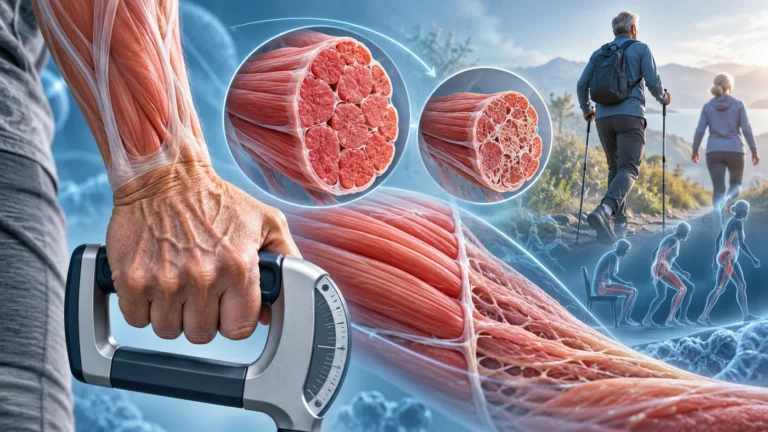
Caffeine is one of the best-researched ergogenic aids for sports performance. A 2025 systematic review and network meta-analysis reported positive effects of low-dose (≤3 mg/kg) and moderate-dose (4–6 mg/kg) capsule strategies on time-trial performance. A higher dose does not always mean better performance and may increase the risk of side effects.
Cardiovascular health
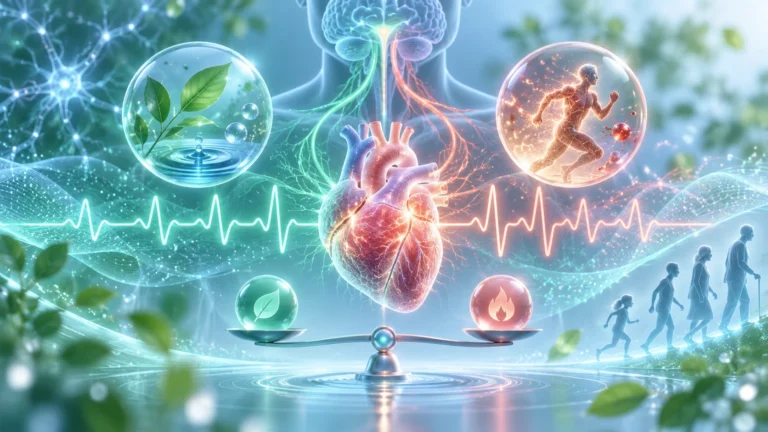
The large body of observational literature on coffee and caffeine suggests that moderate consumption may show neutral cardiovascular associations or positive associations for some outcomes in many adults. A recent meta-analysis published in 2026 also reevaluated this association across millions of participants. However, acute caffeine intake may increase heart rate, blood pressure, or the sensation of palpitations in some people; individual response matters.
How is the daily amount assessed?
The FDA states that approximately 400 mg/day of total caffeine is a level generally not associated with adverse effects in most healthy adults. This is not a target dose but a general safety reference. The amount of caffeine can vary greatly depending on the type of coffee and serving size. During pregnancy, ACOG recommends keeping total intake below 200 mg/day.
Medical use of caffeine citrate
Caffeine citrate has an established use as a medication for apnea of prematurity in neonatal medicine. This specific indication does not mean that IV caffeine is to be used as a routine energy or weight-loss intervention in adults. Most of the data on performance and alertness in adults come from oral caffeine consumption.
Safety
Excess caffeine may cause palpitations, tremors, anxiety, stomach complaints, and insomnia. Pure or highly concentrated caffeine powders/liquids carry a risk of serious dosing errors and poisoning; the FDA has issued a specific warning about these products. Chest pain, a significant arrhythmia, fainting, or a seizure requires emergency evaluation.
Our approach at our Bodrum clinic
We evaluate caffeine consumption not only in terms of “how many cups of coffee,” but also together with total daily mg, time of consumption, sleep quality, tendency toward anxiety/palpitations, sports goals, and medications used. Particularly in people who use caffeine for performance or an intense work schedule, an approach to timing and dosing that provides benefits without creating sleep debt is important.
Frequently asked questions
Does caffeine increase fat burning?
It may acutely affect energy expenditure and exercise performance; however, nutrition, activity, sleep, and metabolic health are more decisive for lasting weight control.
Does evening coffee disrupt everyone’s sleep?
The rate of caffeine metabolism is affected by genetics, age, pregnancy, liver enzymes, and certain medications. Therefore, an individual’s “last caffeine time” may vary.
Related content
You can explore the guides on Sleep and healthy aging, VO₂max and cardiorespiratory fitness, Taurine, and Longevity.
References
FDA warnings on caffeine consumption and concentrated caffeine; ACOG recommendation on caffeine during pregnancy; 2025 caffeine performance network meta-analysis; 2026 meta-analysis on coffee-caffeine and cardiovascular health.
Written and medically reviewed by: Dr. Kerem Çağlayan
Last medical review: 10 September 2026