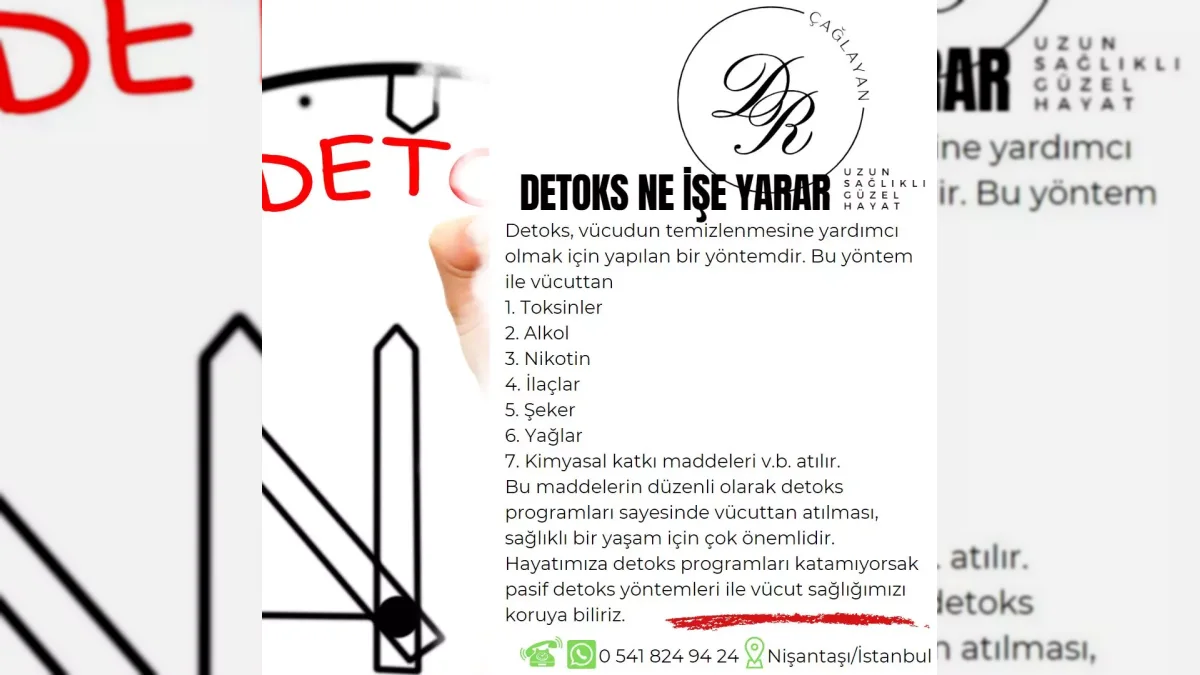
What can detox programs provide?
If a person reduces processed foods, excessive alcohol, or an irregular diet under the name of detox, and increases vegetables, fruits, fiber, adequate protein, fluids, sleep, and movement, they may feel more energetic or lighter. A significant part of this benefit may be related to positive lifestyle changes rather than the name of the program. Positive changes in weight, blood pressure, or metabolic markers have been reported in some short-term detox programs; however, the scope and methods of the studies vary considerably, and long-term results are not yet clear.
How do the liver and kidneys work?
The liver processes medications, hormones, and many foreign compounds through enzymatic pathways; the kidneys filter the blood, contributing to the removal of numerous waste products via urine. To preserve the function of these organs, a balanced diet, adequate fluids, not smoking, reducing alcohol exposure, avoiding unnecessary supplements, and properly managing metabolic diseases are generally a more fundamental approach than short-term “cleanse” regimens.
Is a juice or fasting detox necessary?
Juice cleanses, fasting programs, and highly restrictive diets may create short-term weight changes or a sense of transitioning to a different eating pattern in some people. However, according to the NCCIH assessment, human studies on these programs are scarce, and the quality of the studies is variable. Prolonged fasting, intensive laxative use, or excessive fluid consumption, on the other hand, can lead to electrolyte imbalances, fatigue, or other problems in some individuals. An individualized assessment is especially important for those with diabetes, kidney disease, or liver disease.
Does detox cause weight loss?
Short-term restrictive programs can produce rapid changes on the scale; part of this may stem from changes in energy intake and body fluids. In sustainable weight management, however, dietary patterns, preservation of muscle mass, physical activity, sleep, appetite regulation, and, when necessary, medical treatments provide a more sustainable foundation. If you have a weight goal, you can review the Weight Management and Metabolic Health guide.
Does the approach change if there is real toxic exposure?
Yes. When actual exposure to lead, mercury, arsenic, cadmium, or another toxic substance is suspected, priority is given to exposure history, testing appropriate for the substance, potential organ effects, and elimination of the exposure source rather than a general detox program. Treatments such as chelation are evaluated only when a genuine indication exists, using a metal-specific approach and medical supervision.
The role of IV, ozone, or antioxidant applications
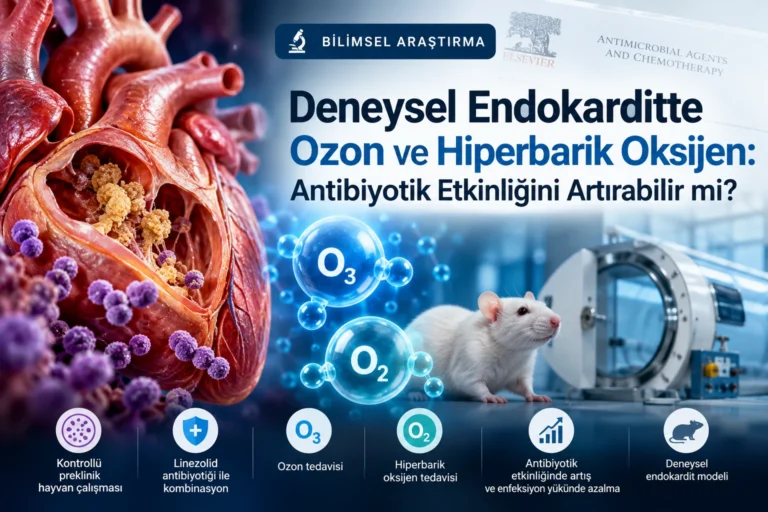
IV vitamin-mineral therapies, ozone therapy, and various antioxidant supplements can be used or are being investigated for certain clinical goals. Rather than making a general and vague claim of “toxin elimination,” the specific purpose of the application, the individual’s health status, and potential benefits and risks must be evaluated together. For relevant guides, you can visit the IV and Infusion Therapies and Ozone Therapy pages.
Our approach at our Bodrum clinic
We do not automatically assume that fatigue, bloating, difficulty concentrating, weight gain, or skin complaints are due to “toxin accumulation.” We first evaluate sleep, nutrition, medications, metabolic status, liver-kidney functions, and environmental exposures that might be truly meaningful. In this way, rather than unnecessary restrictions, we aim to create an individualized and sustainable health plan.
For more comprehensive information, you can review the What Is Detox? The Body’s Natural Cleansing Systems and Liver Health and the Concept of Detox pages.
References
- National Center for Complementary and Integrative Health (NCCIH). “Detoxes” and “Cleanses”: What You Need To Know. Updated: March 2025.
- World Health Organization. Healthy diet. January 26, 2026.
Written and medically reviewed by: Dr. Kerem Çağlayan
Last medical update: September 10, 2026
Warning: This content is for general health informational purposes; it is not personal diagnostic or treatment advice.