Liver Health and the Concept of “Detox”
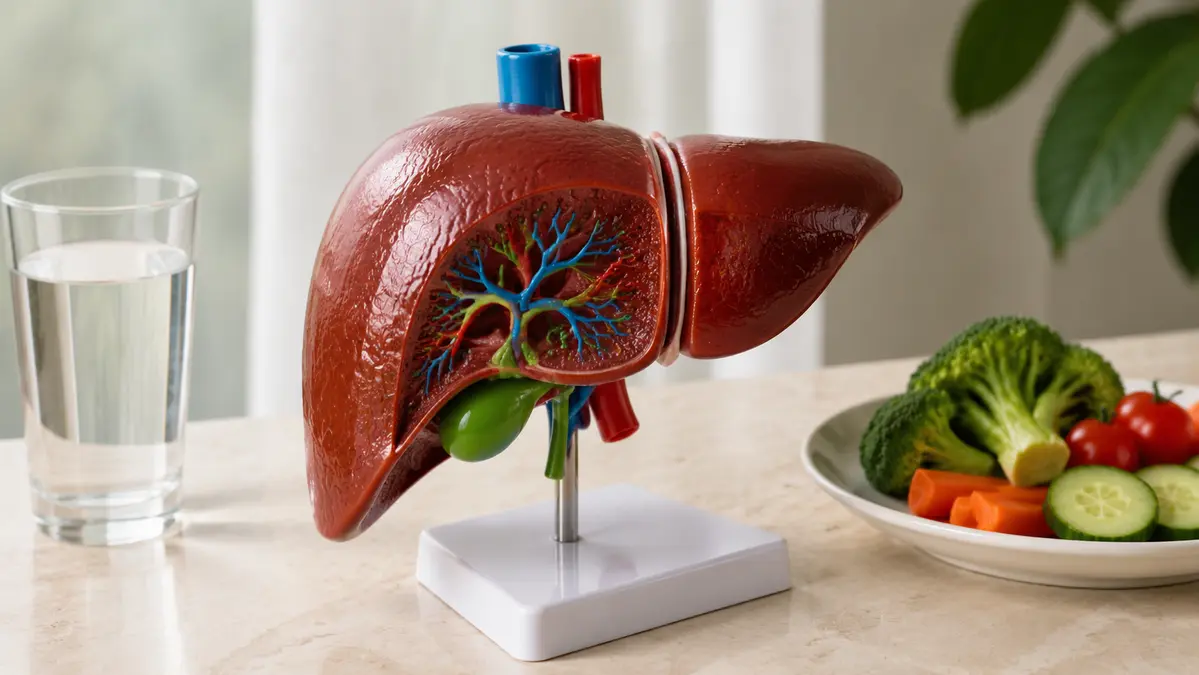
The liver undertakes vital functions such as the metabolism of medications and many chemical substances, bile production, energy metabolism, and the synthesis of various proteins. There is no reliable clinical evidence showing that programs commonly referred to as “liver detox” regenerate the liver at a cellular level, cleanse DNA or epigenetic marks, or correct diseases such as hepatitis through frequency therapies.
How do the body’s natural purification systems work?
In normal physiology, the liver, kidneys, lungs, and gastrointestinal system work together to process and eliminate metabolic wastes. There is no strong clinical data indicating that a general “toxin cleansing” program cleanses these systems beyond normal physiology in a healthy individual.
How is liver health evaluated?
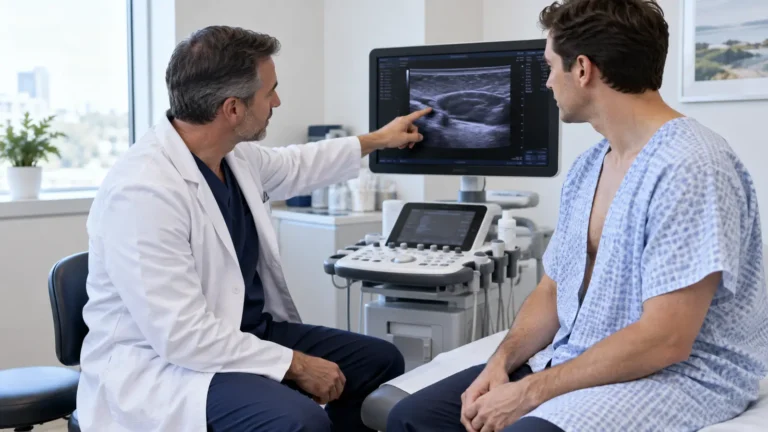
Evaluation is carried out through medical history, alcohol use, weight and metabolic risks, medications and supplements used, viral hepatitis risk, and, when necessary, laboratory/imaging findings. Tests such as ALT, AST, GGT, ALP, and bilirubin are interpreted within the clinical context; when needed, ultrasonography, elastography, or an assessment by the relevant specialty can be scheduled.
Basic approach in fatty liver disease
In fatty liver disease associated with metabolic dysfunction, the primary goals are weight management, regular physical activity, diabetes and lipid control, evaluation of alcohol consumption, and the reduction of cardiometabolic risks. In appropriate patients, standard medical treatments and hepatology/gastroenterology follow-up take priority.
Hepatitis B and Hepatitis C
Viral hepatitis may require evidence-based diagnosis and antiviral therapy. Bioresonance, frequency modulation, “detox cabins,” or IV vitamin applications do not replace standard treatment for viral hepatitis and cannot be accepted as eradicating the virus.
Caution regarding supplements and IV therapies
Herbal products bearing the label “liver-friendly” or “detox” can also cause liver damage. For this reason, all medications and supplements in use must be evaluated. IV applications should only be considered if there is a specific clinical necessity and if organ functions/drug interactions are appropriate.
If genuine toxic exposure is present
When heavy metal toxicity, drug overdose, or any other toxic exposure is suspected, the approach is not a general “detox” application. It requires identification of the agent, the use of accurate biological tests, elimination of the exposure source, and the administration of treatments such as specific antidotes/chelation only if a true indication exists.
Our approach at our Bodrum clinic
In evaluating liver health, the potential cause and actual risk are determined first. Instead of unnecessary “detox packages,” an individualized plan is created based on nutrition, metabolic risk, medication/supplement use, and verified laboratory tests. When necessary, a multidisciplinary evaluation involving gastroenterology or hepatology is recommended.
For the general concept of detox, you can review the What Is Detox? The Body’s Natural Purification Systems page; for the individualized evaluation approach, you can review the Clinical Evaluation Approaches page.
Written and medically reviewed by: Dr. Kerem Çağlayan
Last medical update: September 9, 2026
Disclaimer: This content is for general health information. It does not contain personal diagnosis, treatment recommendations, or guarantees of outcomes.