What is the primary problem in peripheral circulatory disorders?
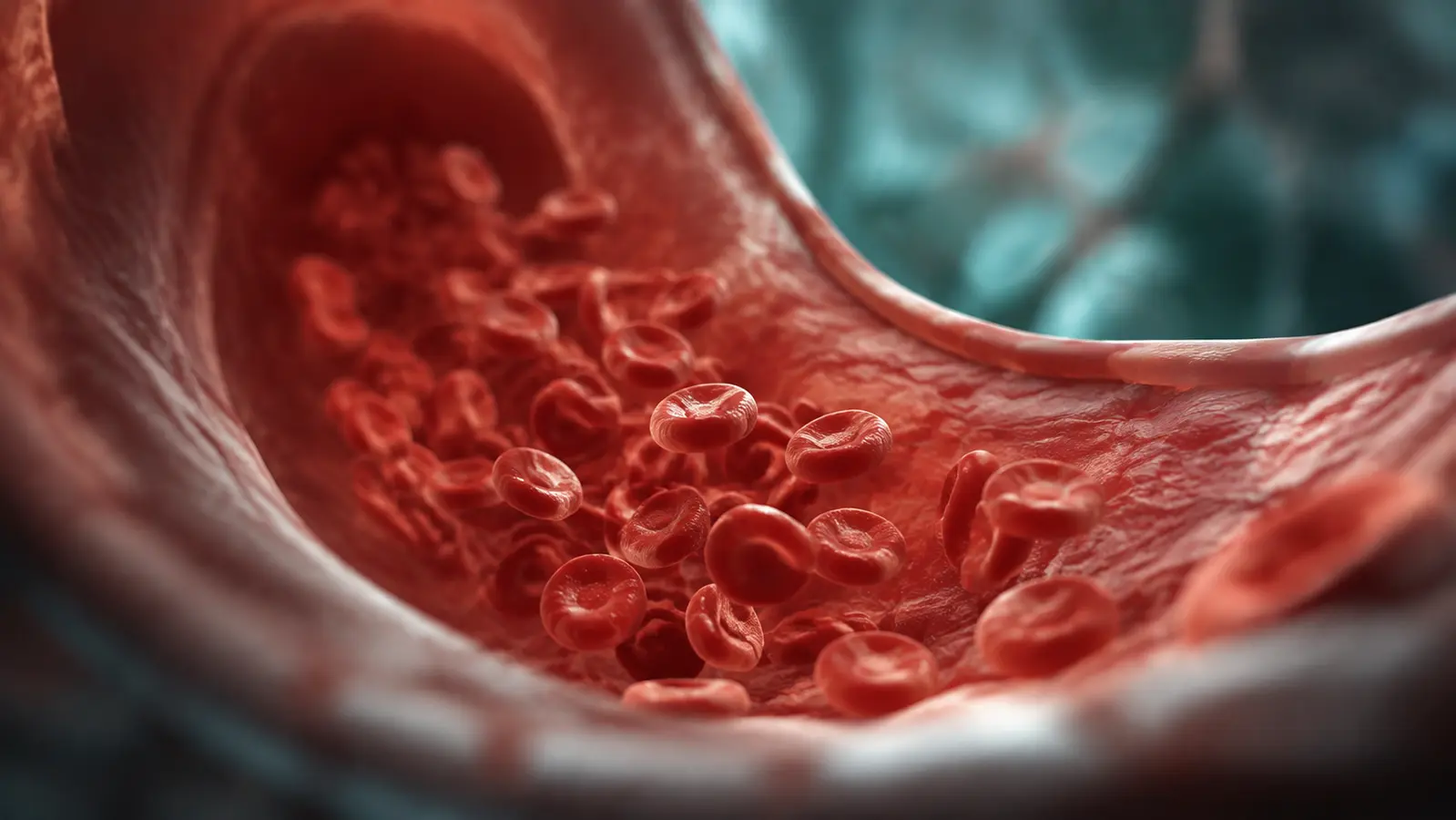
Atherosclerotic narrowing in the leg arteries limits blood flow to muscles during exercise; in classic intermittent claudication, pain or cramping develops with walking and subsides with rest. Peripheral artery disease is also an important indicator of systemic atherosclerosis and cardiovascular risk.
Diagnosis and risk assessment
In addition to pulse, skin temperature, wound status, and walking distance, ABI, toe-brachial index, Doppler, and, when necessary, angiographic methods can be used. LDL/ApoB, blood pressure, diabetes, smoking, and kidney function are also part of a holistic risk assessment.
Why is ozone being investigated?
The effects of medical ozone on erythrocyte metabolism, redox response, microcirculation, and tissue oxygen utilization generate scientific interest regarding peripheral circulatory problems. The clinical relevance of these mechanisms is investigated particularly through measurable outcomes such as walking capacity, pain, and wound healing.
Clinical signal in human studies
In a controlled crossover study, an increase in walking distances was reported following ozonated autohemotherapy in 10 individuals with peripheral artery disease undergoing hemodialysis. The small number of patients requires confirmation of the results in larger groups; nevertheless, the observed walking capacity signal is a clinical data point supporting research on medical ozone in the field of microcirculation.
Exercise and vascular health
The 2024 ACC/AHA guideline considers structured exercise to be one of the fundamental components of peripheral artery disease treatment. If medical ozone is being considered, the goal is to measurably monitor whether it contributes to exercise capacity by supporting circulatory and functional targets in the appropriate patient.
When is revascularization essential?
Rest pain, non-healing ischemic wounds, or gangrene require urgent vascular evaluation for limb-threatening ischemia. Necessary revascularization and vascular treatments are planned primarily; complementary applications are evaluated only in harmony with this primary plan.
Our Approach at Our Bodrum Clinic
In an individual with peripheral circulatory problems, we first evaluate the extent of vascular disease, cardiometabolic risks, smoking status, walking capacity, and wound findings, if present. If there is a suitable target for medical ozone, we plan it in conjunction with standard vascular treatments, aiming for measurable targets such as microcirculation, walking distance, and tissue healing.
Related ozone guides
References
- Tylicki L, et al. Ozonated autohemotherapy in hemodialyzed patients with intermittent claudication.
- 2024 ACC/AHA Multisociety Guideline for Lower Extremity Peripheral Artery Disease.