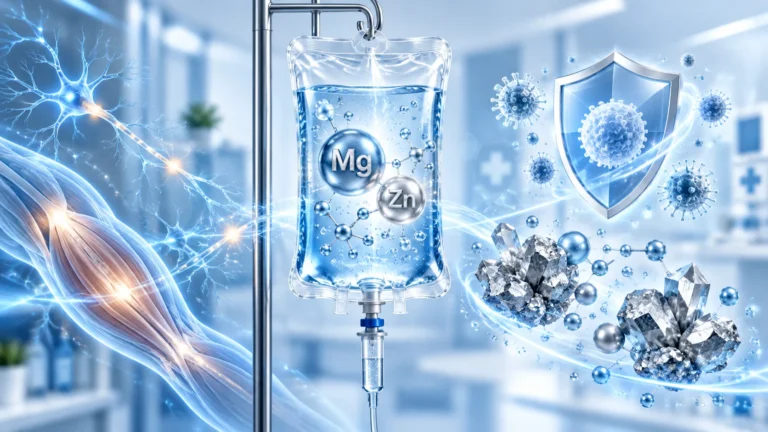

What does immune support mean?
The goal is not to “boost” the immune system in an uncontrolled manner, but to support the conditions necessary for a normal immune response. Protein-energy undernutrition, certain vitamin-mineral deficiencies, sleep disorders, diabetes, severe stress, smoking, and certain medications can affect immune function.
Which components may be evaluated?
Vitamin C plays a role in leukocyte function and antioxidant networks; zinc in numerous immune enzymes and barrier functions; selenium in selenoproteins and the redox system; B vitamins in cellular metabolism; and magnesium in numerous enzymatic processes. The requirements, dosages, and administration routes of these components are not the same.
Who undergoes a more detailed evaluation?
Nutritional and micronutrient needs may be evaluated in more detail in individuals with frequent infections, prolonged recovery, pronounced fatigue, malabsorption, severe dietary restrictions, a history of bariatric surgery, or chronic disease. In cases of frequent or severe infections, rather than focusing solely on vitamin support, the type of infection, the possibility of immunodeficiency, diabetes, and other causes are investigated.
Oral supplementation or IV administration?
If absorption is adequate, many micronutrients can be effectively replaced via the oral route. The IV route may be evaluated in situations where oral intake is not possible, absorption is severely impaired, there is a pronounced fluid-electrolyte requirement, or there is a defined parenteral indication for the preparation used. In some individuals, a personalized IV support plan aimed at short-term recovery may also be considered within the clinical evaluation.
How is it approached during an infection?
In acute infection, if there are symptoms of fever, shortness of breath, low oxygen, severe weakness, or signs of systemic infection, the priority is diagnosis and appropriate standard treatment. Micronutrient support can be evaluated alongside this approach when a true deficiency or requirement exists. Vaccines, hygiene, and disease-specific prevention methods are essential parts of an immune health plan.
Safety
If high-dose IV vitamin C is planned, evaluation of renal function, history of stones, and, where appropriate, G6PD is important. High-dose zinc over prolonged periods can lead to copper deficiency; in selenium, total intake and the risk of selenosis are taken into account. In renal failure, magnesium and electrolyte burden are additionally evaluated.
Our approach at our Bodrum clinic
We do not plan immune support as a ready-made “single formula IV drip”; rather, we plan it based on infection history, sleep, nutrition, metabolic health, current medications, and laboratory findings if necessary. If there is a deficiency or clinical need, we select targeted ingredients and evaluate the place of oral and IV options separately.
Frequently asked questions
Does an immune IV drip prevent colds?
Protection from infection cannot be guaranteed with a single IV drip. However, correcting true micronutrient deficiencies, adequate sleep, metabolic control, and appropriate preventive measures support normal immune function.
What tests are evaluated if I get sick frequently?
Depending on history, complete blood count, glucose/HbA1c, iron-ferritin, B12-folate, vitamin D, or other selected tests may be evaluated. Rather than a single standard panel, making a selection based on clinical history is more meaningful.
Related content
You can review the guides for IV vitamin C, Zinc IV, Selenium IV, B complex and B12, Sleep and healthy aging, and IV and drip treatments.
References
NIH Office of Dietary Supplements: Immune Function and Micronutrients; Vitamin C, Zinc, and Selenium professional fact sheets; parenteral micronutrient product information.
Written and medically reviewed by: Dr. Kerem Çağlayan
Last medical review: September 10, 2026