
What does zinc do?
Zinc contributes to the function of numerous enzymes and transcription factors in cell division, protein synthesis, immune response, and tissue repair. Meat, seafood, dairy products, nuts, and legumes are among its dietary sources.
In whom is deficiency more likely?
Inadequate nutrition, malabsorption, inflammatory bowel diseases, bariatric surgery, chronic diarrhea, alcohol use, and long-term parenteral nutrition can increase the risk of deficiency. Serum/plasma zinc levels can be useful; however, because inflammation and sampling conditions can affect the result, it is interpreted in conjunction with the clinical context.
When is IV zinc considered?
IV zinc may be used in selected patients where the oral/enteral route is insufficient or parenteral nutrition is required. In documented deficiency, the replacement plan is made according to the underlying cause. For general wellness, hair, or immune goals, the route of administration is chosen based on individual needs; the IV route is not necessary in every case.
Wound healing and hair health
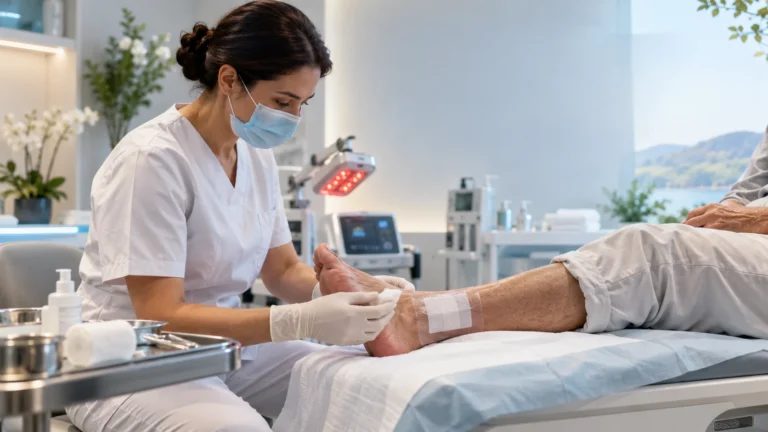
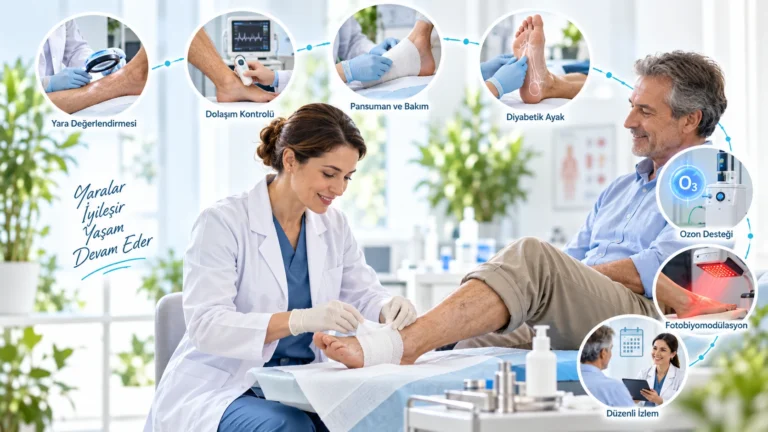
Zinc is necessary for normal wound healing and hair follicle biology. If deficiency is present, replacement can support these processes. In the presence of adequate zinc, the additional benefit of higher doses may vary depending on the clinical problem; therefore, in chronic wounds and hair loss, not only zinc, but also circulation, protein intake, iron/ferritin, thyroid, glycemic control, and other causes are evaluated.
Relationship with the immune system
Zinc is an important part of normal immune function. In deficiency, the immune response may be affected. The decision for supplementation or IV replacement should be made based on the likelihood of deficiency, total intake, and clinical need, rather than the question of “how much does it boost immunity?”.
Safety and copper balance
Long-term use of high amounts of zinc can reduce copper absorption, contributing to copper deficiency, anemia, and neurological problems. The NIH defines the upper intake level for total oral intake in adults as 40 mg/day; medical treatment and parenteral doses are planned within a separate clinical framework. Because oral zinc may decrease the absorption of certain antibiotics in the tetracycline and quinolone classes, the timing of administration can also be adjusted separately.
Our approach at our Bodrum clinic
We evaluate zinc supplementation alongside clinical goals such as nutrition, gastrointestinal status, inflammation, copper balance, hair/skin findings, and wound healing. If IV zinc is being considered, the elemental zinc content of the product, the total dose along with other trace elements, and pharmaceutical compatibility are verified.
Frequently asked questions
Can zinc help with hair loss?
If zinc deficiency is present, replacement may be meaningful. If there is no deficiency, investigating other causes of hair loss holds greater clinical value.
Can zinc be used in chronic wounds?
If deficiency or nutritional inadequacy is present, replacement can be part of the wound healing plan. Circulation, infection, glycemic control, pressure relief, and appropriate wound care should be evaluated concurrently.
Related content
IV and Infusion Therapies · Chronic Wound Treatment · Hair Loss and Hair Strengthening
References
NIH Office of Dietary Supplements Zinc Health Professional Fact Sheet; parenteral zinc product information.
Written and medically reviewed by: Dr. Kerem Çağlayan
Last medical review: September 10, 2026