
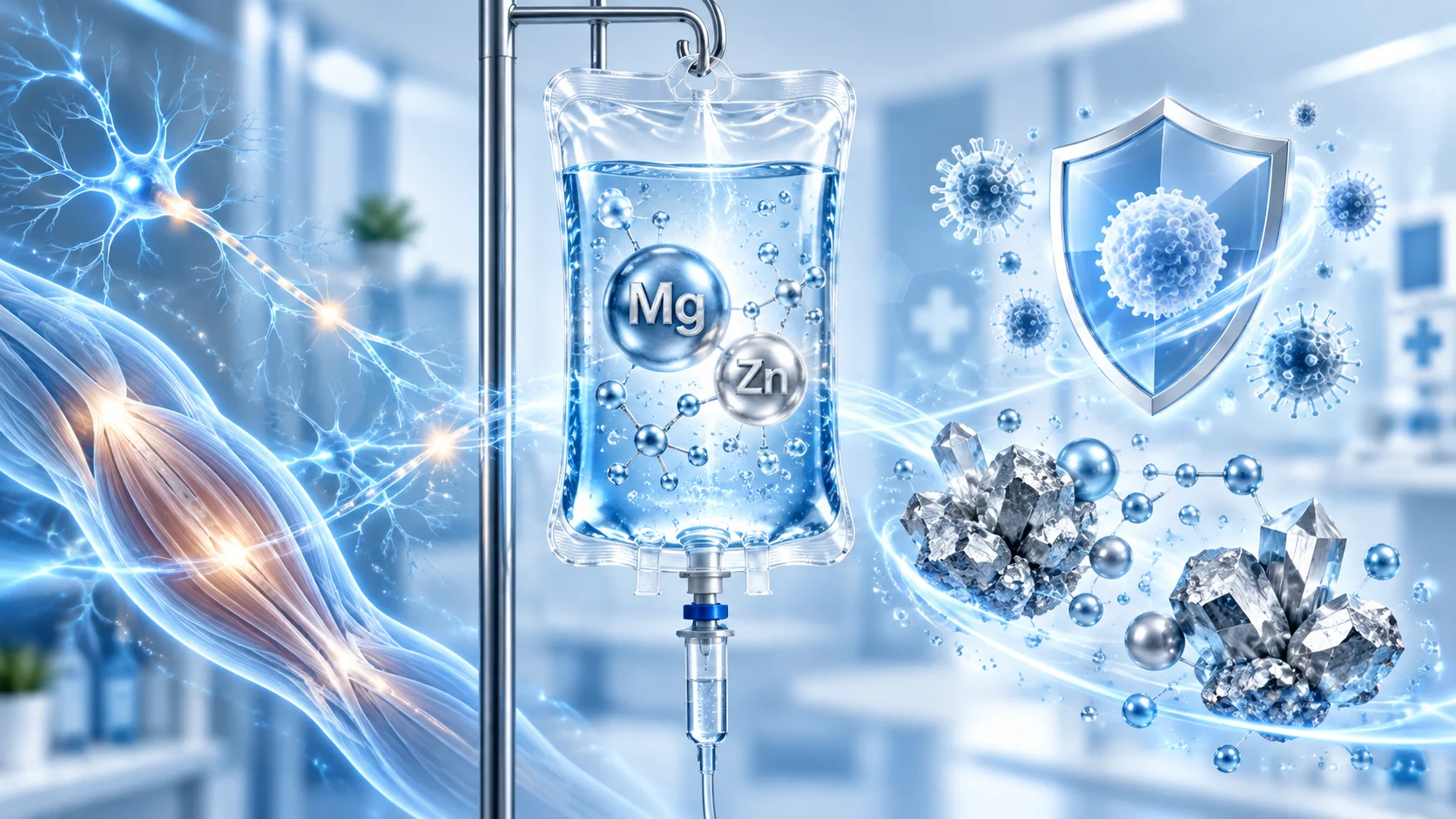
Why are magnesium and zinc evaluated together?
While magnesium plays a role in nerve-muscle transmission, heart rhythm, glucose metabolism, and numerous enzymatic reactions; zinc is involved in protein/DNA synthesis, immune function, wound healing, and cell division. A deficiency of both minerals may occur in the same individual, but this situation does not automatically require combined IV administration.
In which situations is a clinical evaluation meaningful?
Malabsorption, gastrointestinal losses, malnutrition, long-term parenteral nutrition, certain medication uses, or laboratory/clinical findings may increase the likelihood of deficiency. Symptoms such as wound healing issues, muscle cramps, fatigue, or frequent infections do not indicate mineral deficiency on their own; a cause-focused evaluation is required.
When can the IV route be preferred?
The IV route may be considered in selected cases where the oral/enteral route cannot be used, rapid replacement is needed, or parenteral nutrition is involved. In mild or chronic deficiencies, appropriate oral magnesium and zinc preparations can be an adequate option for most individuals.
What should be considered when administered together?
The amounts of elemental magnesium and elemental zinc in the preparations used must be clearly known. Renal function and cardiac status are particularly important regarding magnesium, while total daily intake and copper balance during prolonged use are particularly important regarding zinc. If they are to be used in the same IV bag, pharmaceutical compatibility and concentration are also verified.
In terms of sleep, muscle, and recovery
Since magnesium is important for nerve-muscle function and normal physiological processes, correcting a deficiency may contribute to muscle and overall well-being. Zinc is also essential for cellular repair and immune function. However, it should not be assumed that combined IV administration will provide a significant additional “performance” effect in an individual with normal levels of both minerals; the target should be evaluated based on the clinical problem.
Safety
When renal function is reduced, magnesium accumulation can develop more easily. High amounts of zinc over an extended period can contribute to copper deficiency. Blood pressure, tolerance, and vascular access are monitored during infusion; the list of total minerals and supplements used is reviewed together.
Our approach at our Bodrum clinic
We evaluate the magnesium+zinc combination not as a premade and invariable cocktail, but according to individual mineral requirements. The route of administration and content are selected after examining clinical history, renal function, medications used, magnesium status, and, when necessary, zinc/copper status.
Frequently asked questions
Do magnesium and zinc have to be given together?
No. If the requirement is for only one mineral, single-agent replacement may be more rational. The combination is considered when there is a clinical rationale for both components.
Can a magnesium+zinc IV infusion be administered for sleep?
Mineral deficiency may be a contributing factor in sleep problems; however, sleep apnea, stress, medications, circadian rhythm, and other causes should also be evaluated. Mineral replacement is planned within the context of deficiency, if present.
Related content
IV Magnesium and Electrolyte Support · Zinc IV · IV and Infusion Applications · Sleep and Healthy Aging
References
NIH Office of Dietary Supplements Magnesium and Zinc Health Professional Fact Sheets; current parenteral mineral product information.
Written and medically reviewed by: Dr. Kerem Çağlayan
Last medical review: September 10, 2026