Key points
- HMB is a leucine metabolite that can affect pathways associated with muscle protein breakdown and synthesis.
- The most meaningful clinical areas of use are age-related muscle loss, low physical activity, and groups carrying catabolic risk.
- It is not a substitute for adequate protein and resistance exercise; the best results are expected in conjunction with a foundational muscle preservation program.
- Human studies predominantly pertain to oral or enteral use.
How does HMB work?
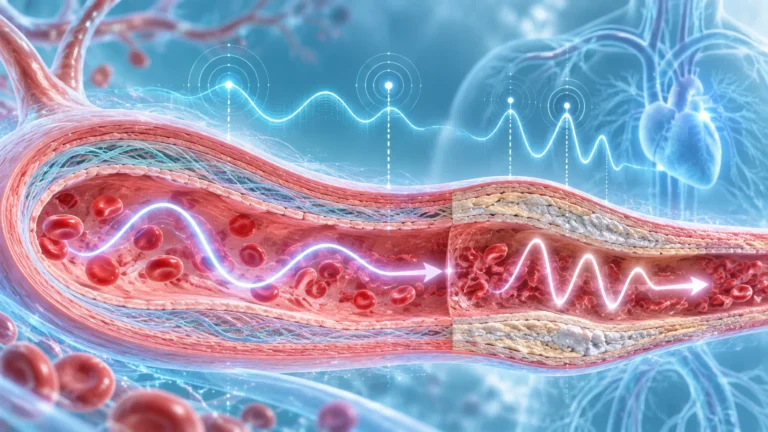
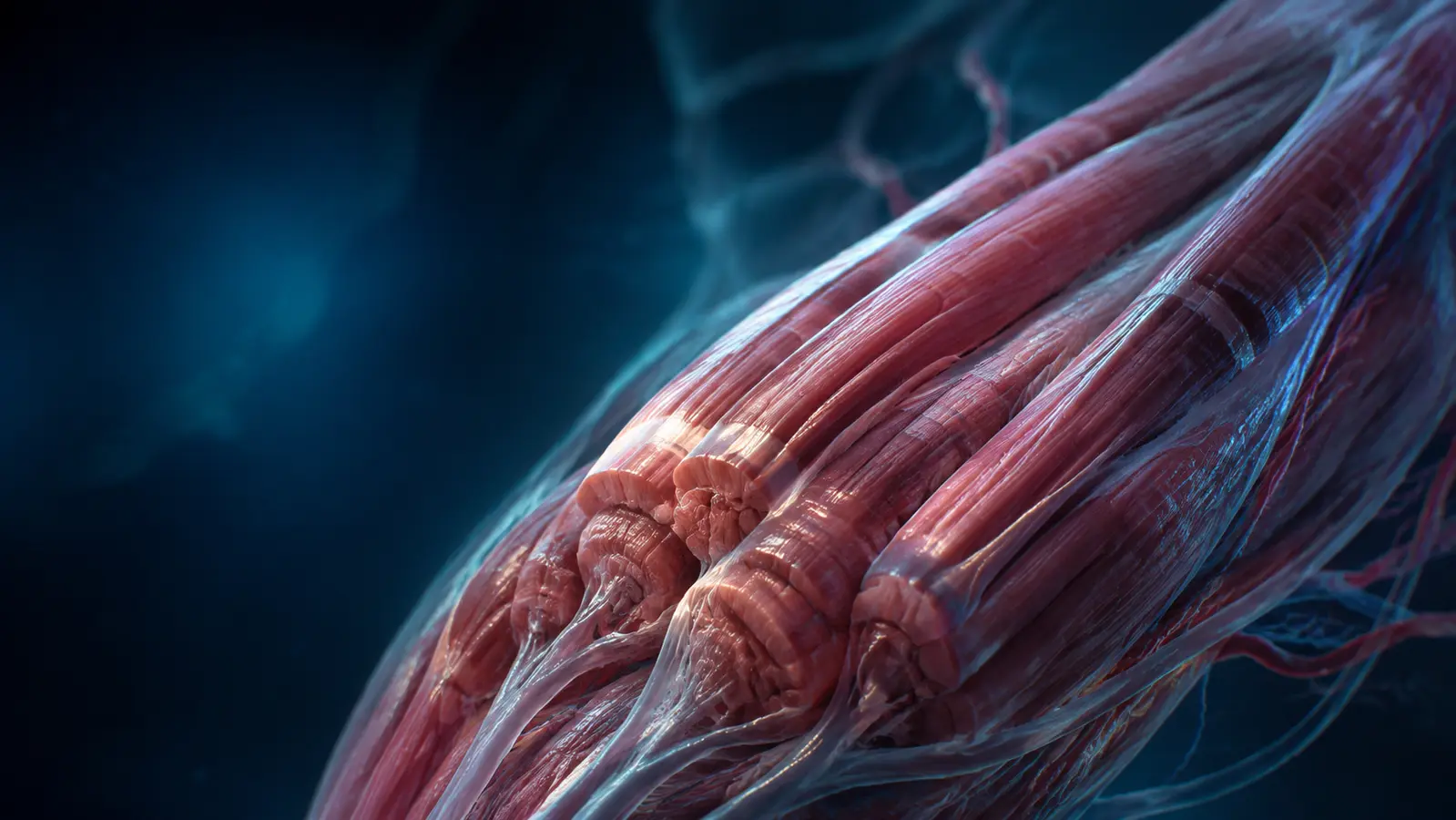
Research suggests that HMB may have effects on muscle cell membrane integrity, proteolysis pathways, and mTOR-related protein synthesis. These mechanisms explain the interest in HMB, particularly during periods when the risk of muscle loss is increased.
In whom might it be more meaningful?
HMB has been studied in advanced age, low protein intake, immobilization, catabolic risk following illness or surgery, and individuals newly beginning resistance exercise. It can be considered as part of a broader plan to preserve muscle mass and physical function, especially in individuals carrying a risk of sarcopenia. This topic is covered in more detail in the Sarcopenia and muscle strength guide.
Route of administration and dosage
Most studies have used oral HMB-Ca or the HMB free acid form, and a daily total of approximately 3 grams has been frequently investigated. The appropriate dose should be evaluated based on age, nutrition, kidney function, total protein intake, and clinical goal. There is no established clinical protocol regarding the IV use of HMB.
What does the research show?
Systematic reviews and controlled trials show that there may be benefits in lean mass and certain physical function outcomes, especially in older adults or groups at risk for muscle loss. The magnitude of the outcome may vary depending on baseline muscle status, protein intake, exercise program, and comorbid conditions. Therefore, it is more accurate to evaluate HMB not as a standalone “muscle-building” product, but as a supportive component of a muscle preservation strategy in the appropriate individual.
How should exercise, protein, and HMB be considered together?
The foundation of muscle health consists of adequate protein intake, regular resistance exercise, physical activity, and appropriate energy intake. HMB can be considered as additional support, particularly during periods when this foundational approach alone is insufficient or catabolic risk is increased. From a longevity perspective, muscle strength and physical performance are important not only for aesthetics but also for independence and healthy aging.
Safety
Oral HMB has generally been well tolerated in studies. Individual evaluation is required in situations such as kidney or liver disease, pregnancy, breastfeeding, childhood, and multiple supplement use. The content and quality control of the product used are also important.
Our approach at our Bodrum clinic
We evaluate HMB not as a muscle supplement automatically recommended to everyone, but within the context of the risk of muscle loss and the individual’s overall protein-exercise plan. Muscle strength, body composition, and nutritional status are addressed together, particularly in advanced age, rapid weight loss, immobilization, or post-illness recovery. If necessary, the contribution of HMB, creatine, or other nutritional supports is monitored with measurable goals.
Frequently asked questions
Does HMB completely prevent muscle loss?
It should not be expected on its own. The best result is aimed for in conjunction with adequate protein, resistance exercise, and management of underlying diseases.
Can HMB also be used in athletes?
Yes, it has also been evaluated in athlete studies. However, in well-trained young individuals, the magnitude of the additional benefit may be more variable compared to older adults or groups carrying catabolic risk.
Should HMB be administered as an IV infusion?
Current human data are based on oral or enteral use. IV HMB is not a routine clinical practice.
Related content
- Healthy Aging and Longevity
- Sarcopenia, Muscle Strength, and Handgrip
- Weight Management and Metabolic Health
- Personalized Amino Acid and Micronutrient Support
- Mitochondria and Energy Metabolism
References
- Deutz NEP, et al. Effect of β-hydroxy-β-methylbutyrate supplementation on lean body mass and functional outcomes. PMID: 26169182.
- Systematic review and meta-analysis of HMB supplementation and muscle outcomes. PMID: 35301826.
- Clinical evidence on HMB, muscle mass and physical function in older adults. PMID: 30109449.
Written and medically reviewed by: Dr. Kerem Çağlayan
Last medical review: September 10, 2026
Warning: This content is for general medical informational purposes; it does not substitute for personal diagnosis or treatment advice.