Key points
- The forms of CJC-1295 with DAC and without DAC are not identical from a pharmacokinetic perspective.
- A GH/IGF-1 biomarker response has been shown in early human studies.
- Clinical data for patient-centered outcomes such as body composition, performance, or longevity are more limited.
- The FDA draws attention to issues such as product characterization, immunogenicity, and reported systemic reactions in compounded CJC-1295 products.
What is CJC-1295?
CJC-1295 is a synthetic peptide developed to support GHRH signaling for a longer duration. The form containing DAC (Drug Affinity Complex) aims to prolong circulation time by binding to albumin. Whether products offered on the internet under the name “CJC-1295” contain DAC and what their true composition is are clinically important.
How does it affect the GH–IGF-1 axis?
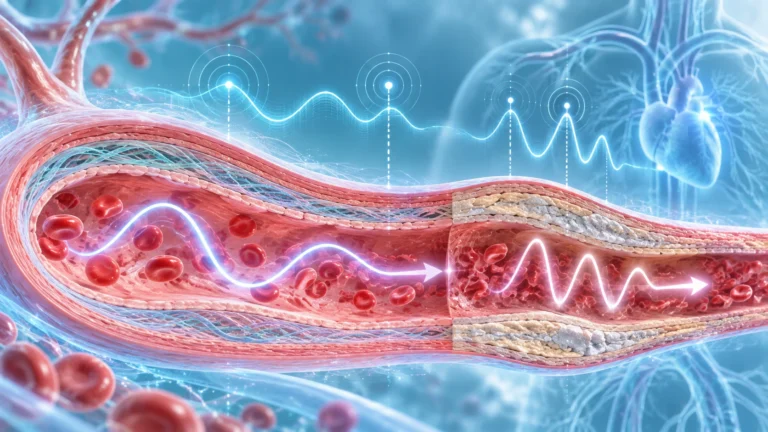
CJC-1295 can increase growth hormone secretion via the pituitary gland and, consequently, elevate the IGF-1 level. For this reason, the molecule has been a subject of research in processes related to the GH–IGF-1 axis, such as muscle-bone metabolism, adipose tissue, and recovery.
What has been seen in human studies?
In early-phase human studies, an increase in GH and IGF-1 levels has been shown. However, a biomarker increase is not the same thing as clinical outcomes such as muscle mass, strength, fat loss, sleep quality, or healthspan. Current reviews dated 2026 point out that the online use of CJC-1295 for performance and longevity purposes has outpaced the available clinical data.
Combination with ipamorelin
CJC-1295 and ipamorelin are frequently mentioned together on social media; one influences GH release via the GHRH receptor, and the other via the ghrelin/GHSR pathway. Theoretically, complementary mechanisms may be involved, but long-term, robust, and standardized human clinical data for the combination are limited. You can also review the Ipamorelin guide.
Route of administration and product standard
There is no established IV longevity protocol for CJC-1295. Online subcutaneous protocols should also not be evaluated as licensed standard treatments. In peptides, purity, stability, aggregation, and whether the product actually contains the specified molecule are important.
Safety
Stimulation of the GH–IGF-1 axis may be associated with edema, changes in glucose metabolism, headache, and other hormonal effects. In its assessments related to CJC-1295, the FDA has drawn attention to reports of serious adverse events, including increased heart rate and systemic vasodilator reactions. Therefore, cardiometabolic risk and glucose balance should be specifically evaluated.
Our approach at our Bodrum clinic
We do not evaluate CJC-1295 on its own as “anti-aging” or a “fat burner.” First, whether there is a genuine clinical problem related to the growth hormone axis, sleep, body composition, muscle strength, glucose metabolism, and the individual’s goals are addressed. If a research peptide comes up, product sourcing, route of administration, available human data, and measurable follow-up targets are also evaluated.
Frequently asked questions
Does CJC-1295 increase muscle mass?
It has been shown to be able to increase GH and IGF-1 levels; however, clinical outcome data for meaningful and lasting increases in muscle strength/mass in healthy adults are more limited than the biomarker data.
Are CJC-1295 and ipamorelin the same thing?
No. They are two distinct peptides that affect GH release through different receptor pathways.
Is IV CJC-1295 standard?
No. There is no approved or established IV longevity protocol.
Related content
- Main Guide to Peptide Applications
- Ipamorelin
- Sermorelin
- Healthy Aging and Longevity
- Weight Management and Metabolic Health
References
- Dominikowski A, et al. The emerging landscape of performance-enhancing peptides modulating the GH-IGF1 axis. Front Endocrinol. 2026. PMID: 42395176.
- U.S. FDA. Certain Bulk Drug Substances for Use in Compounding that May Present Significant Safety Risks.
Written and medically reviewed by: Dr. Kerem Çağlayan
Last medical review: September 10, 2026
Warning: This content is for general medical information purposes; it does not substitute for personal diagnosis or treatment recommendations.