
Key points
- Chronic pain is a real and multidimensional health condition; the magnitude of imaging findings does not always correlate directly with pain severity.
- Chronic primary and chronic secondary pain are different clinical entities; the underlying cause and treatment goals are differentiated.
- Movement, sleep, daily function, work capacity, and quality of life are monitored as closely as the pain score.
- Exercise, rehabilitation, appropriate medications, interventional methods, and certain complementary approaches can be used together based on the individual.
- Red flags such as new neurological deficit, fever, severe trauma, or changes in urinary or bowel control require prompt evaluation.
What is chronic pain?
In some individuals, chronic pain persists secondary to osteoarthritis, nerve root compression, neuropathy, or another medical condition. In others, even if the initial tissue damage has subsided, changes in the way the nervous system processes pain can become a major component of the clinical picture. Sleep disturbance, inactivity, anxiety, stress, and social burdens can heighten the pain experience; the pain itself can also adversely affect these domains, creating a cycle.
Why are pain mechanisms important?
Nociceptive pain originates primarily from tissue and mechanical structures, whereas neuropathic pain stems from nervous system damage or disease. In some chronic pain conditions, central pain processing and sensitivity alterations may also become prominent. Multiple mechanisms can coexist in the same individual. This distinction directly influences the selection of medications, rehabilitation, and interventional treatments.
What symptoms may accompany it?
Constant or intermittent pain may be accompanied by fatigue, sleep disturbances, movement avoidance, decreased muscle strength, attention difficulties, and mood changes. Burning, electric sensations, tingling, or numbness may suggest a neuropathic component. When widespread pain, tenderness, fatigue, and sleep problems coexist, conditions such as fibromyalgia are evaluated separately.
How are diagnosis and evaluation performed?
Evaluation includes a detailed medical history, neurological and musculoskeletal examination, the relationship of pain to movement, current medications, sleep, psychosocial factors, and the individual’s daily functional goals. Laboratory or imaging tests are selected based on the clinical question. The goal is not merely to look for an abnormality on an image, but to evaluate whether the identified finding is truly correlated with the person’s pain pattern.
Treatment options
Chronic pain management rarely consists of a single modality. Patient education, graded physical activity, physical therapy, strength and mobility training, sleep regulation, psychological pain management approaches, and appropriate pharmacotherapy can be used in combination. In selected patients, injections, nerve blocks, radiofrequency, or other interventional procedures may be considered.
Ozone, Red Light, and other complementary methods
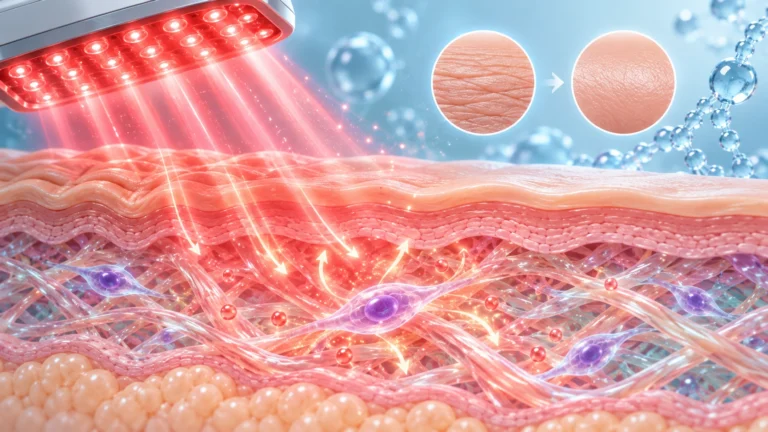
Ozone, photobiomodulation/Red Light, and certain regenerative modalities are being investigated in various chronic pain conditions. Studies report positive outcomes, particularly in musculoskeletal pain. The expected contribution may vary depending on the pain mechanism, application site, and protocol used; the most appropriate role for these modalities is determined within a broader pain and rehabilitation plan.
Related guides: Ozone Therapy and Red Light and Pain.
Our approach at our Bodrum clinic
We do not evaluate chronic pain solely by pain scores. Alongside the location and mechanism of pain, movement capacity, muscle strength, sleep, daily activity, current medications, and response to previous treatments are addressed together. Goals are defined as concretely as possible: such as walking longer distances, waking up less at night, being able to climb stairs, returning to work, or safely reducing the need for medication.
Treatment response is reviewed at regular intervals. If a method does not provide the expected benefit, rather than automatically continuing the same plan, the mechanism of pain, treatment goals, and alternatives are re-evaluated.
When is urgent evaluation needed?
Newly developing prominent muscle weakness, progressive numbness, changes in bowel or bladder control, numbness in the saddle area, severe pain accompanied by fever, severe trauma, new and unexplained pain with a history of cancer, or a sudden, very severe headache may require emergency evaluation.
Frequently asked questions
Can chronic pain resolve completely?
In some chronic pain conditions, significant improvement can occur when the underlying cause is treated. In other cases, the goal is to reduce pain as much as possible while significantly improving movement, sleep, and daily functioning. Outcomes vary depending on the type and duration of the pain.
If the MRI is normal, is the pain not real?
No. The pain experience is not determined solely by imaging findings. Nervous system sensitivity, muscles and soft tissues, sleep, stress, and other factors can also contribute to pain.
Does exercise increase pain?
Appropriate dosage and gradual progression are important. Some individuals may experience temporary sensitivity at the beginning; nevertheless, personalized movement and strengthening are an important treatment component for long-term function.
Can multiple methods be used together?
Yes. Chronic pain often requires a multimodal approach. Medications, rehabilitation, interventional, and complementary options can be combined in a stepped manner toward the same goals.
Related content
- Pain Management main guide
- Low back pain and lumbar disc herniation
- Neck pain and cervical disc herniation
- Sciatica and neuropathic pain
- Fibromyalgia
- Knee pain and osteoarthritis
- Shoulder pain
- Functional medicine
References
- International Association for the Study of Pain. Pain terminology.
- World Health Organization. ICD-11 chronic pain classification.
- National Institute for Health and Care Excellence. Chronic pain: assessment and management.
Written and medically reviewed by: Dr. Kerem Çağlayan
Last medical review: September 10, 2026
Image note: The page image is a representative clinical image.
Disclaimer: This content is for general medical information purposes only; it does not substitute for personal diagnosis or treatment recommendations.