
What is taurine?
Taurine is a sulfur-containing amino sulfonic acid that is not incorporated into proteins like classical amino acids. It is found in many tissues, including the heart, muscles, retina, and nervous system. It plays a role in cellular osmoregulation, calcium balance, membrane stability, and bile acid conjugation. The body can synthesize taurine; seafood and meat are also dietary sources.
What do the 2025 human studies say?
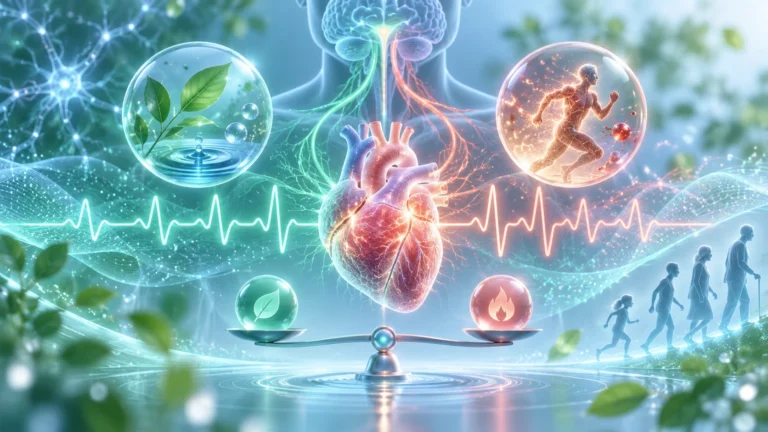
In a systematic review and meta-analysis of 34 randomized controlled trials published in 2025, oral taurine supplementation was associated with improvements in fasting glucose, HbA1c, insulin, HOMA-IR, triglycerides, LDL cholesterol, systolic-diastolic blood pressure, and certain markers of inflammation/oxidative stress. In subgroup analyses, the 1,5–3 g/gün range stood out for many cardiometabolic outcomes. These data reinforce the view that taurine is a supplement worth investigating for metabolic health; it should be taken into account that the clinical response may vary depending on baseline status and concomitant treatments.
Taurine and healthy aging
Taurine attracted considerable interest because of longevity outcomes in animal models. In 2025, a broad evaluation of human and animal data showed that circulating taurine does not decline with age in the same linear manner in everyone. Therefore, rather than using a single taurine level as a “biological age test,” it is more meaningful to evaluate taurine in the context of metabolic and functional health. The development of studies directly examining long-term healthy aging outcomes in humans will better define this field.
Exercise and performance
Taurine has also been investigated in the areas of physical performance and recovery. A 2025 network meta-analysis evaluated the effects of taurine and caffeine on physical capacity and cognitive performance; results varied according to the protocol and the outcome measured. It is not correct to attribute results from energy drinks solely to taurine; caffeine, sugar, and other ingredients should be evaluated separately.
Are oral supplementation and IV taurine the same?
No. The majority of current clinical studies have evaluated oral taurine. For IV administration, the product’s suitability for injection, sterility, concentration, excipients, regulatory approval status, compatibility, and human safety data must be verified separately. Oral research findings do not automatically transfer to IV administration.
Safety and individual evaluation
Taurine has generally been well tolerated in oral studies. Because it can affect blood pressure and metabolic parameters, the combined effect should be monitored in those taking antihypertensive or glucose-lowering medications. Kidney-liver disease, pregnancy/breastfeeding, and the use of multiple supplements require individual evaluation.
Our approach at our Bodrum clinic
We evaluate taurine not merely as a “longevity supplement,” but alongside blood pressure, glucose-insulin balance, lipid profile, nutrition, exercise capacity, and medications being used. If oral supplementation is being considered for a suitable individual, we establish measurable goals and a follow-up plan. When IV use is considered, pharmaceutical suitability and administration safety are addressed separately.
Frequently asked questions
Does taurine measure biological age?
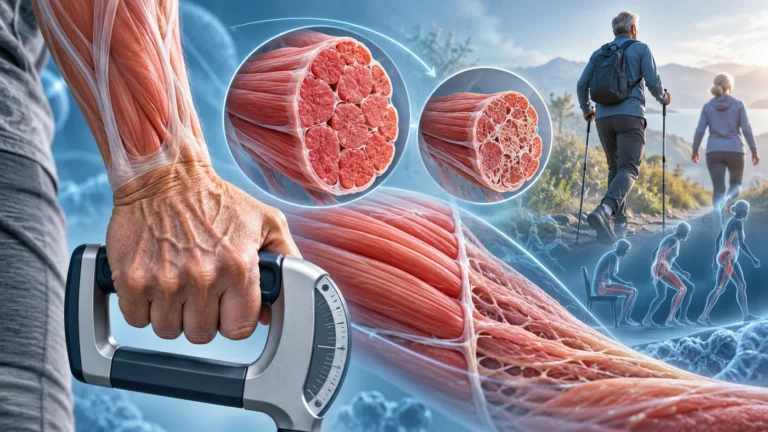
It should not be used alone as a reliable marker of biological age. In assessing healthy aging, VO₂max, muscle strength, metabolic health, sleep, vascular health, and other clinical measurements are more valuable together.
Can taurine help with blood pressure?
Favorable changes in blood pressure have been reported in some randomized trials and recent meta-analyses. Dose and follow-up should be individualized in those taking antihypertensives.
Related content
You can review the pages on Longevity and healthy aging, Insulin resistance and metabolic syndrome, Sleep and healthy aging, and IV and infusion treatments.
References
2025 meta-analysis of randomized trials; randomized trial in prehypertension; 2025 evaluation of the taurine-age relationship; caffeine-taurine network meta-analysis.
Written and medically reviewed by: Dr. Kerem Çağlayan
Last medical review: 10 September 2026