How is PRP prepared?
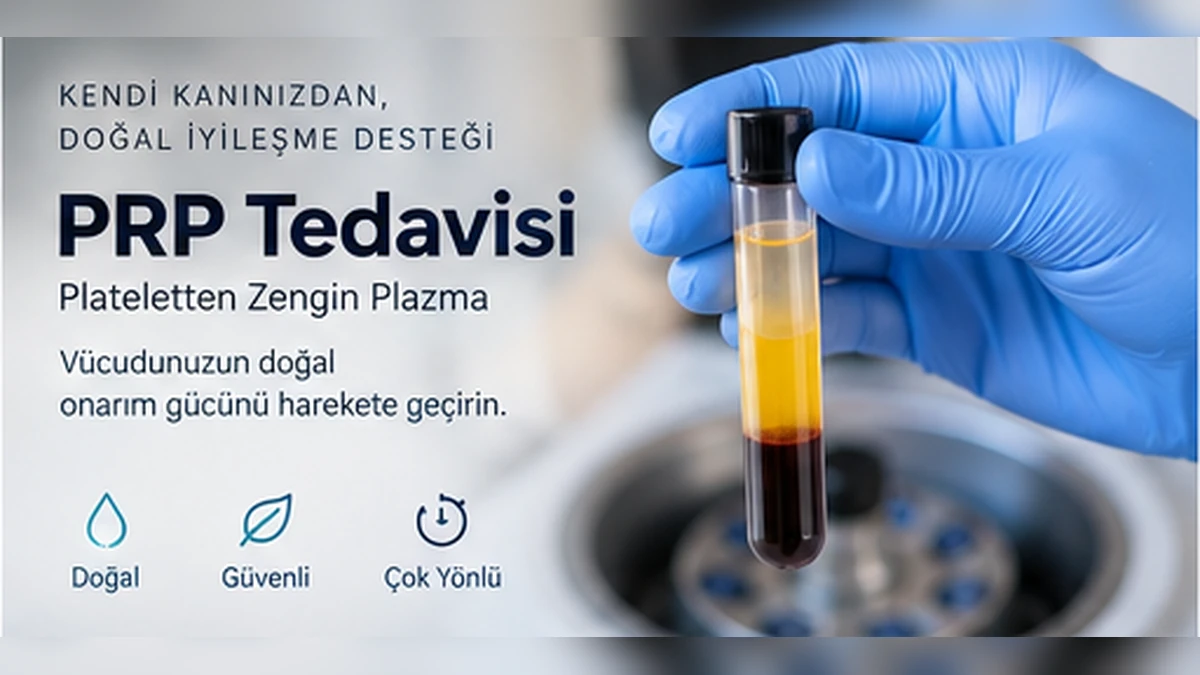
- An appropriate amount of venous blood is drawn from the patient.
- Depending on the system used, blood components are separated using single or double centrifugation.
- The platelet-rich plasma fraction is prepared.
- The product’s leukocyte content, platelet concentration, and activation method may vary depending on the protocol used.
- The prepared autologous product is applied to the target tissue in the same session.
It is particularly important that PRP products are not identical to one another. Platelet count, leukocyte amount, red blood cell contamination, plasma volume, activation, and centrifugation protocol are variables that can affect the clinical outcome.
Which areas can PRP be applied to?
It is evaluated targeting symptoms and function, particularly in knee osteoarthritis.
It can be used based on clinical evaluation in lateral epicondylitis, patellar/Achilles tendon problems, and selected chronic tendinopathies.
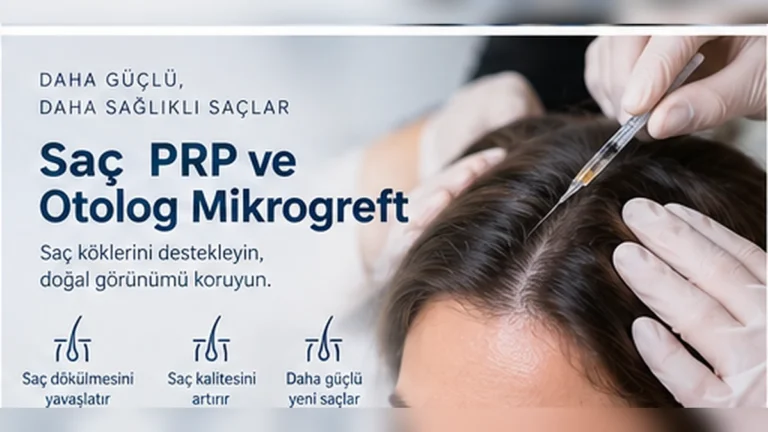
It has been investigated to support hair density and the follicular environment in androgenetic hair loss.
There are PRP/PRF studies in selected facial rejuvenation, tissue quality, and wound healing applications.
Methods of application
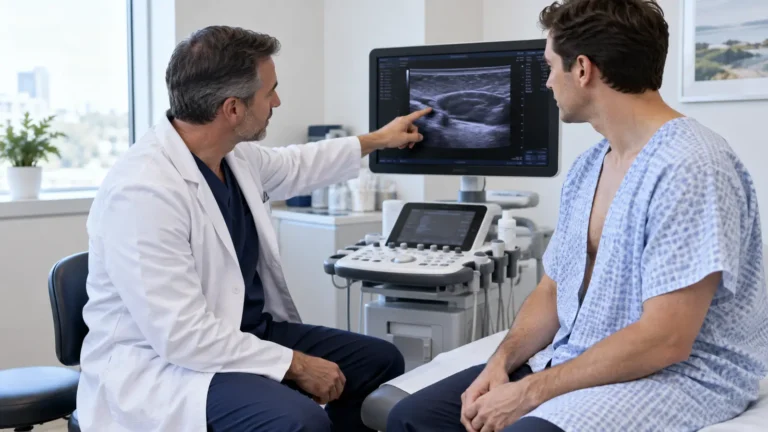
In musculoskeletal applications, PRP can be applied as an injection intra-articularly, around the tendon, or into the target tissue depending on the clinical problem. In deep or anatomically sensitive areas, ultrasound guidance can facilitate visualization of the needle trajectory and target tissue. In the scalp, small-volume intradermal/subdermal injections can be used; in dermatological applications, depending on the indication, injections or combined approaches such as controlled microneedling can be used.
In which conditions has PRP been studied more extensively?
The most extensive clinical data are in the fields of knee osteoarthritis, certain tendinopathies, and androgenetic alopecia. In knee osteoarthritis, the 2026 AAPM&R guideline document specifically draws attention to product standardization, patient selection, and clinical decision points in PRP use. In hair loss, although meta-analyses report an increase in hair density in some patients, there is marked heterogeneity among protocols. In facial rejuvenation, clinical studies have reported positive signals in parameters such as tissue quality, fine lines, and hydration; however, application methods are not standardized.
Who requires careful evaluation?
In conditions such as active infection, significant platelet disorder, severe hematological disease, uncontrolled systemic disease, infection in the target area, certain anticoagulant/antiplatelet therapies, and pregnancy, the decision to proceed must be made on an individual basis. Medications used, blood count, the patient’s general condition, and the planned procedure site are evaluated together.
What can be expected after PRP?
Temporary pain, tenderness, swelling, or bruising may occur at the procedure site. In musculoskeletal applications, biological injection does not replace rehabilitation; exercise, load management, and, when necessary, a physical therapy plan are important parts of the treatment. The goal is not merely to perform an injection, but to create a holistic plan that supports the tissue’s functional healing process.
Our approach at our Bodrum clinic
When making a decision about PRP, we first clarify the diagnosis and target tissue, and then select the type of PRP to be used according to the clinical problem. We use ultrasound guidance when necessary in joint and tendon applications; in scalp and skin applications, we evaluate the characteristics of the prepared product according to the biology of the target area.
Related pages
- PRP types: LP-PRP, LR-PRP, PRF, and i-PRF
- Knee and joint PRP
- Hair PRP and autologous micrograft
- Differences between PRP, SVF, and stem cells
References
- AAPM&R guidance statement on platelet rich plasma for knee osteoarthritis. 2026. PMID: 41989317.
- Farshidfar N, et al. PRP versus injectable PRF: systematic review. 2025. PMID: 40125556.
- Platelet-Rich Plasma in the Management of Alopecia: systematic review and meta-analysis. 2025. PMID: 40944844.
- Rodríguez-Castro MJ, et al. PRP in facial rejuvenation: systematic review. 2025. PMID: 40118148.
Written and medically reviewed by: Dr. Kerem Çağlayan
Last medical review: September 14, 2026
Disclaimer: This content is general health information. In any surgical or interventional procedure, results may vary from person to person. It is recommended to obtain a detailed consultation from your physician prior to the procedure.