

Forever Young BBL
One of the most notable aspects of BBL is that it has been shown to affect not only visible skin quality, but also certain molecular expression patterns in aged skin. In a small pilot study published by the Stanford University Dermatology team in the Journal of Investigative Dermatology, it was reported that 1,293 of 2,265 aging-associated RNA expressions shifted closer to the profile in young skin following BBL. This does not prove that BBL “reverses cellular age”; however, it provides a strong scientific signal where aesthetics intersects with photobiology and the longevity approach.
Long-term “Forever Young BBL” observations also suggest that visible skin aging may progress more slowly than expected in individuals receiving regular treatments. In The Therapeia LifeSpan Institute approach, we therefore consider BBL not merely as a treatment for spots or vessels, but as a photobiological platform aimed at supporting healthier skin aging.
IPL / BBL application areas
Each target has a different chromophore and safety profile. For this reason, instead of a one-size-fits-all setting, filter and energy selection is made according to the clinical target.
 Skin Rejuvenation and Photoaging
Color irregularity, radiance, tissue quality, and photoaging
 Sunspots / Lentigo / Freckles
Benign superficial pigment targets
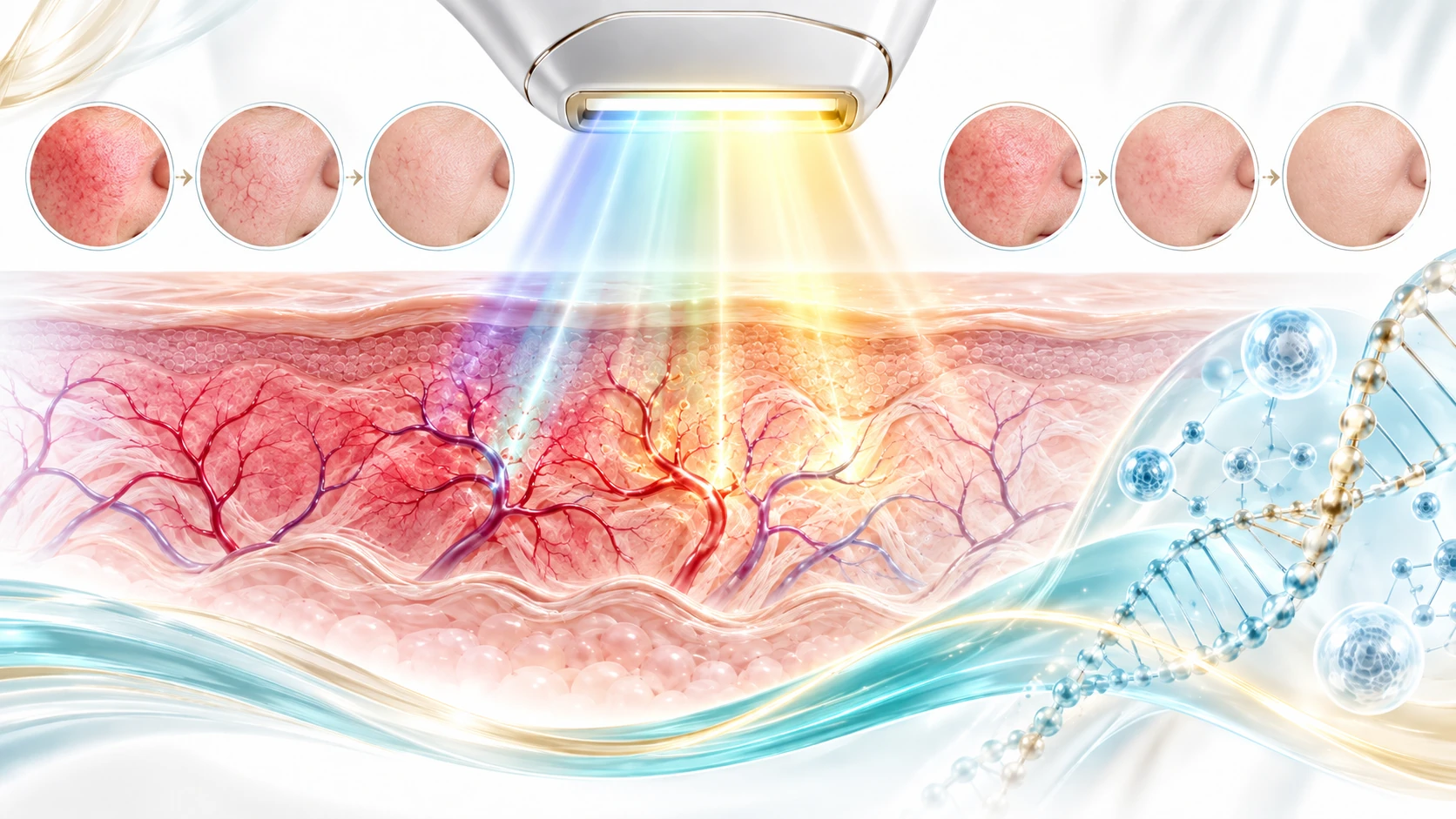 Rosacea / Redness / Telangiectasia
Persistent erythema and superficial vessel appearance
 Superficial Vascular Lesions
Selected superficial vascular targets
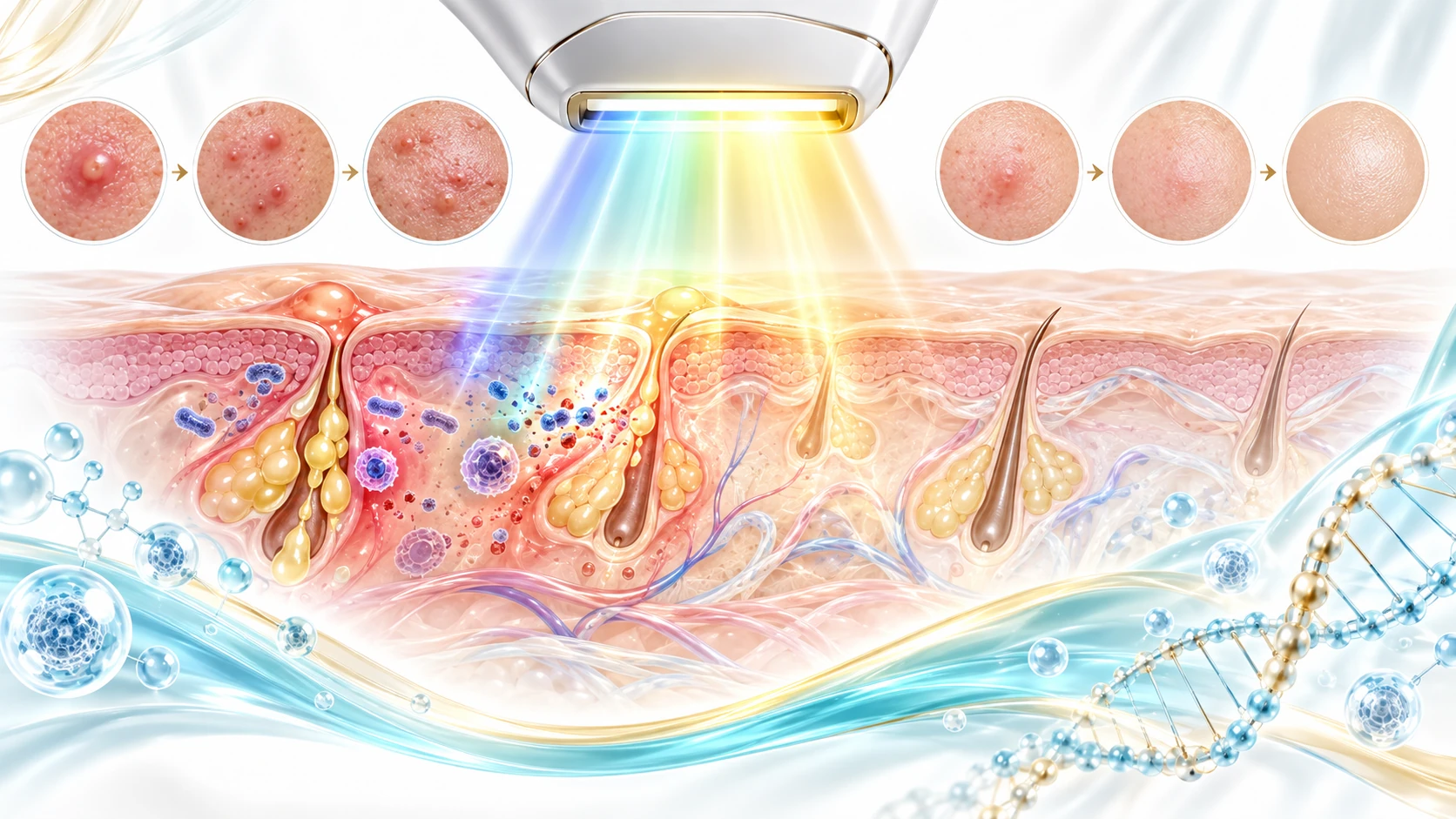 Acne
Selected light protocols in active inflammatory acne
 Hair Removal
Long-term hair reduction in dark terminal hairs
 Melasma
A cautious and combined approach in selected cases
 Poikiloderma / Neck-Décolleté
Simultaneous evaluation of pigment and vascular components
How does IPL / BBL work?
Broadband light is directed to the target chromophore using selected filters. Melanin in pigment, hemoglobin in vascular lesions, and follicular melanin in hair removal are the primary targets. Clinical outcomes vary based on parameters such as skin type, target, filter, pulse duration, energy level, and cooling.
Why do we use different filters?
Pigment, vessels, acne, and hair follicles do not respond best within the same wavelength range. Therefore, different filters alter the spectrum of light reaching the tissue, allowing for a more controlled approach to the target.
Who can it be considered for?
- Those with sun spots and uneven skin tone
- Those with persistent facial redness or superficial telangiectasias
- Those seeking a non-invasive option for photoaging and tissue quality
- Selected cases of active acne
- Those aiming for long-term hair reduction in dark terminal hairs
Safety
A more cautious assessment is required in recently tanned skin, darker phototypes, a tendency to melasma, the use of photosensitizing medications, active infections, and suspicious pigmented lesions. Suspicious pigmented lesions must be evaluated clinically and, if necessary, dermatoscopically before being “erased” with IPL.
Our approach at our Bodrum clinic
First, we define the target: pigment, vascular, inflammation, or follicle? Next, skin type, tanning status, previous procedures, and the target lesion are evaluated. If suitable, the filter, pulse structure, and energy are selected individually; when necessary, a test spot and a gradual protocol are used.
Frequently asked questions
Are BBL and IPL the same thing?
BBL is an advanced platform approach within the broadband light/IPL family. Clinical success depends not only on the device name, but on optical filters, pulse structure, energy control, cooling, and proper patient selection.
How many sessions are required?
There is no single standard. Planning is made according to the target, skin type, and clinical response.
When are results seen?
Early changes in pigment and redness may be noticed within a few weeks; for tissue quality and photoaging goals, a series of sessions and longer follow-up may be required.
References
- Chang ALS, et al. Rejuvenation of gene expression pattern of aged human skin by broadband light treatment. J Invest Dermatol. 2013. PMID: 22931923.
- Wat H, et al. Application of intense pulsed light in the treatment of dermatologic disease: a systematic review. Dermatol Surg. 2014. PMID: 24495252.
- Intense Pulsed Light on skin rejuvenation: a systematic review. PMID: 34609598.
- Martignago CCS, et al. Efficacy and safety of intense pulsed light in rosacea: a systematic review. 2024. PMID: 39152889.
Written and medically reviewed by: Dr. Kerem Çağlayan
Last medical review: September 11, 2026
Warning: This content is for general health information; it does not replace a personal examination and treatment plan.
Clinical evaluation in Bodrum: you can use the Bodrum Clinic and Appointments and Contact pages to discuss whether the procedure is suitable for you.


