What are vitamin B3 and niacinamide?
Nicotinic acid and nicotinamide are the main forms of vitamin B3. Both contribute to NAD/NADP synthesis, but their pharmacological effects and side effect profiles are not the same. Nicotinic acid can cause flushing, especially at high doses; nicotinamide has this effect to a lesser extent, but high-dose use still requires clinical evaluation.
Relationship to NAD⁺ biology
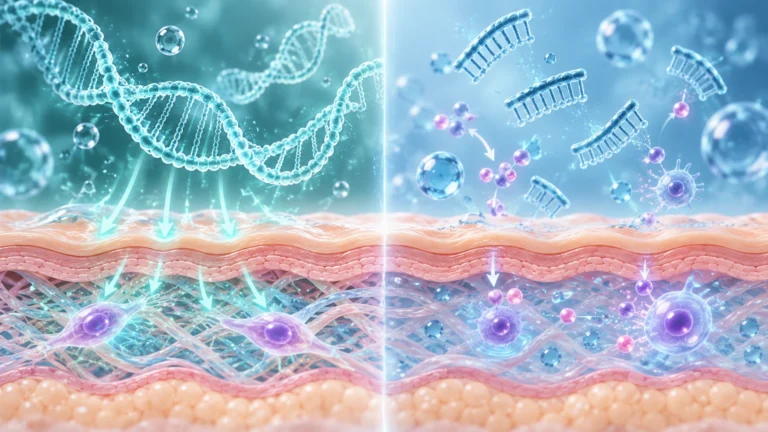
NAD⁺ is a central coenzyme in energy metabolism, DNA repair, and the cellular stress response. Niacinamide, nicotinic acid, nicotinamide riboside (NR), and nicotinamide mononucleotide (NMN) enter NAD metabolism at different steps. The use of a B3 vitamin and direct NAD⁺ infusion are not the same procedure from a pharmacokinetic or clinical perspective.
When should deficiency be considered?
Marked niacin deficiency is associated with pellagra and may present with dermatitis, gastrointestinal symptoms, and neurological findings. Severe deficiency is less common today; evaluation may be needed in cases of malnutrition, alcohol use, malabsorption, and certain specific disease conditions.
Where does intravenous use fit in?
Niacinamide may be present in some parenteral multivitamin formulations. This use does not mean that standalone high-dose B3 infusions or direct NAD⁺ infusion have the same clinical effect. If intravenous administration is to be planned, the product’s form, the actual indication, dose, liver and metabolic status, and admixture compatibility are evaluated together.
Metabolic and skin uses
Nicotinic acid has pharmacological effects on lipid metabolism; in contrast, niacinamide has been studied in different formulations, particularly in dermatology and cosmetics. Positive data for one route of administration should not automatically be extrapolated to another route of administration.
Safety
High-dose nicotinic acid can cause effects such as flushing, itching, changes in glucose control, increased uric acid, and elevated liver enzymes. Niacinamide should also be used with caution in high amounts. The total dose is reviewed with particular attention in cases of diabetes, liver disease, gout, and the use of multiple supplements.
Our approach at our Bodrum clinic
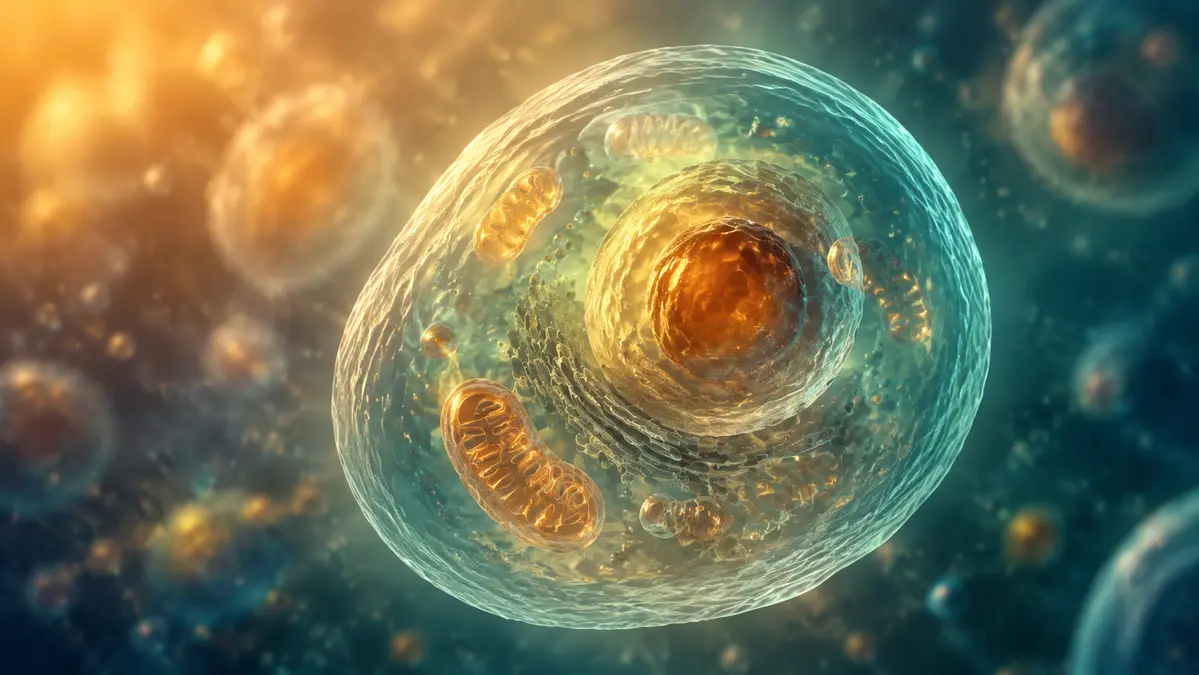
We evaluate the B3/NAD axis not as a single “energy vitamin,” but together with mitochondrial function, metabolic health, nutrition, sleep, exercise capacity, and other NAD precursors being used. The goal is to determine the appropriate form and route of administration for the individual.
Frequently asked questions
Are niacinamide and NAD⁺ the same thing?
No. Niacinamide is a form of B3 that can be used in NAD⁺ synthesis; direct NAD⁺ infusion is a different intervention.
Are NR and NMN also vitamin B3?
NR is an NAD precursor within the niacin family; NMN is an intermediate further along the NAD synthesis pathway. They are evaluated separately in terms of clinical use, product quality, and human data.
Related content
IV and Infusion Treatments · Mitochondria · Longevity and Healthy Aging
References
NIH Office of Dietary Supplements Niacin Health Professional Fact Sheet; current literature on NAD metabolism and nicotinamide derivatives; parenteral multivitamin product information.
Written and medically reviewed by: Dr. Kerem Çağlayan
Last medical review: 10 September 2026