What does vitamin B12 do?
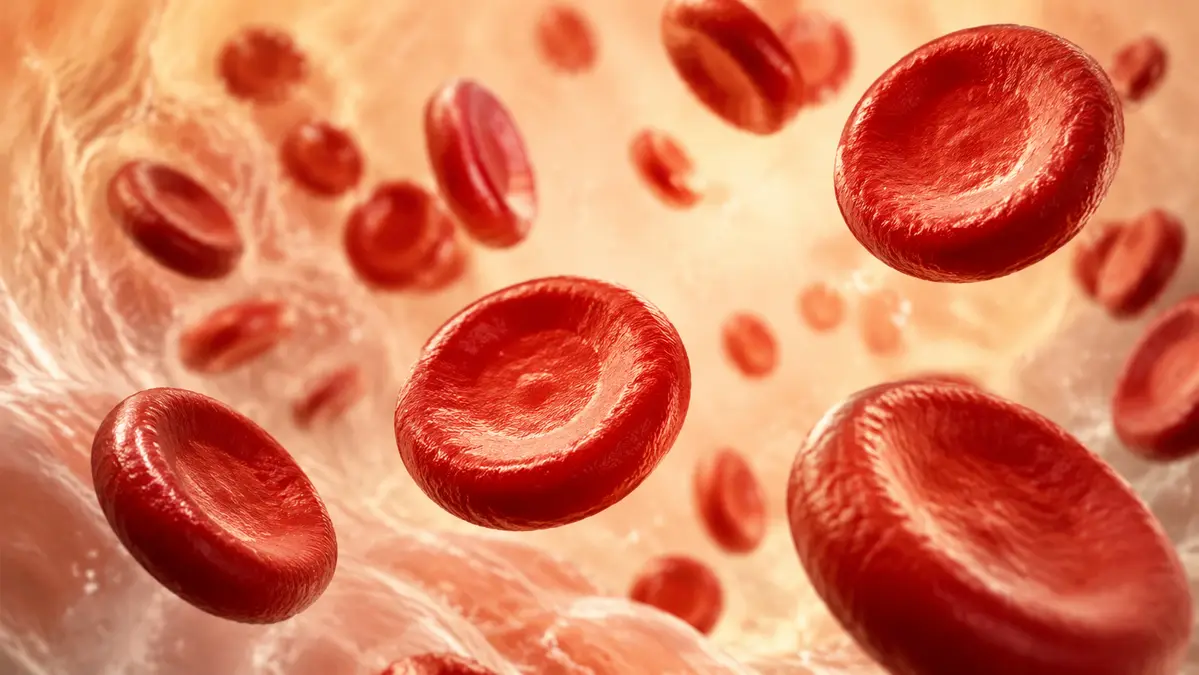
Cobalamin plays a role in DNA synthesis, red blood cell formation, the methylation cycle, and the normal function of nerve tissue. Animal-based foods and products fortified with B12 are the main sources.
Who is more often evaluated for deficiency?
A vegan or very restricted diet, autoimmune gastritis, malabsorption conditions such as celiac disease, gastrectomy or terminal ileum surgery, certain bariatric surgeries, long-term use of certain medications, and nitrous oxide use may increase the risk of B12 deficiency.
Symptoms and diagnostic approach
Fatigue, tongue complaints, paresthesia, balance problems, cognitive complaints, and hematological changes may occur; however, these findings are not specific to B12 deficiency. NICE recommends that B12 deficiency not be ruled out solely because anemia or macrocytosis is absent. When the initial test result is borderline, additional tests such as methylmalonic acid may be considered based on symptoms and risk factors.
Oral or intramuscular?
The route of treatment is selected based on the cause of the deficiency. Oral replacement may be appropriate in some diet-related cases. Long-term intramuscular replacement may be necessary for causes of permanent malabsorption, such as autoimmune gastritis, total gastrectomy, or complete removal of the terminal ileum. In other malabsorption conditions, oral or intramuscular options are considered based on clinical circumstances.
Is it the same as a B12 infusion?
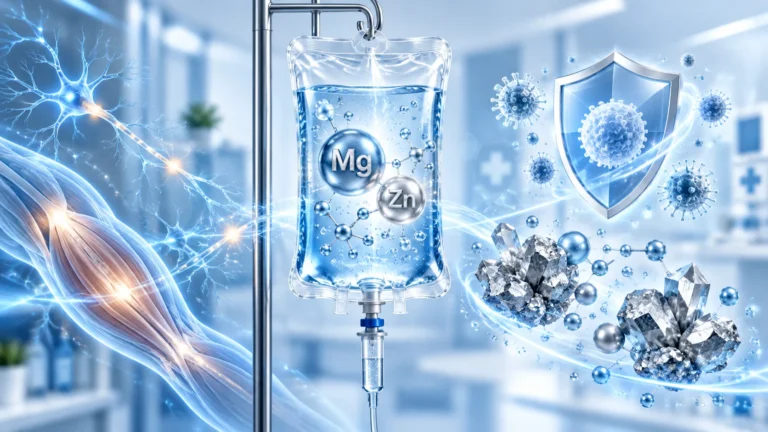
B12 may be included in some IV multivitamin formulas; however, treatment for B12 deficiency does not necessarily need to be administered intravenously. Oral, intramuscular, and IV preparations should be evaluated separately in terms of intended use, dose, and product approval.
Our approach at our Bodrum clinic
When evaluating B12, we look not only at the serum B12 result but also at symptoms, complete blood count, diet, gastrointestinal history, medications used, and, when necessary, supplementary data such as active B12, methylmalonic acid, or homocysteine. If a deficiency is detected, we plan not only replacement but also how to address its cause and the required duration of treatment.
Frequently asked questions
Can B12 deficiency occur without anemia?
Yes. Neurological or cognitive symptoms can also occur without anemia or macrocytosis; if there is clinical suspicion, evaluation should not depend solely on the blood count.
Does high-dose oral B12 always replace injections?
Oral treatment may be effective in many cases; however, the cause of permanent malabsorption, the severity of symptoms, treatment adherence, and clinical follow-up are important in selecting the route of administration.
Related content
You can review the guides on IV and Infusion Treatments, Vitamin B6, and B12 IV Administration.
References
- NICE NG239. Vitamin B12 deficiency in over 16s: diagnosis and management. 2024.
- NIH Office of Dietary Supplements. Vitamin B12 – Health Professional Fact Sheet.
Written and medically reviewed by: Dr. Kerem Çağlayan
Last medical review: 10 September 2026
Disclaimer: This content is general health information; it is not a recommendation for personal diagnosis or treatment.