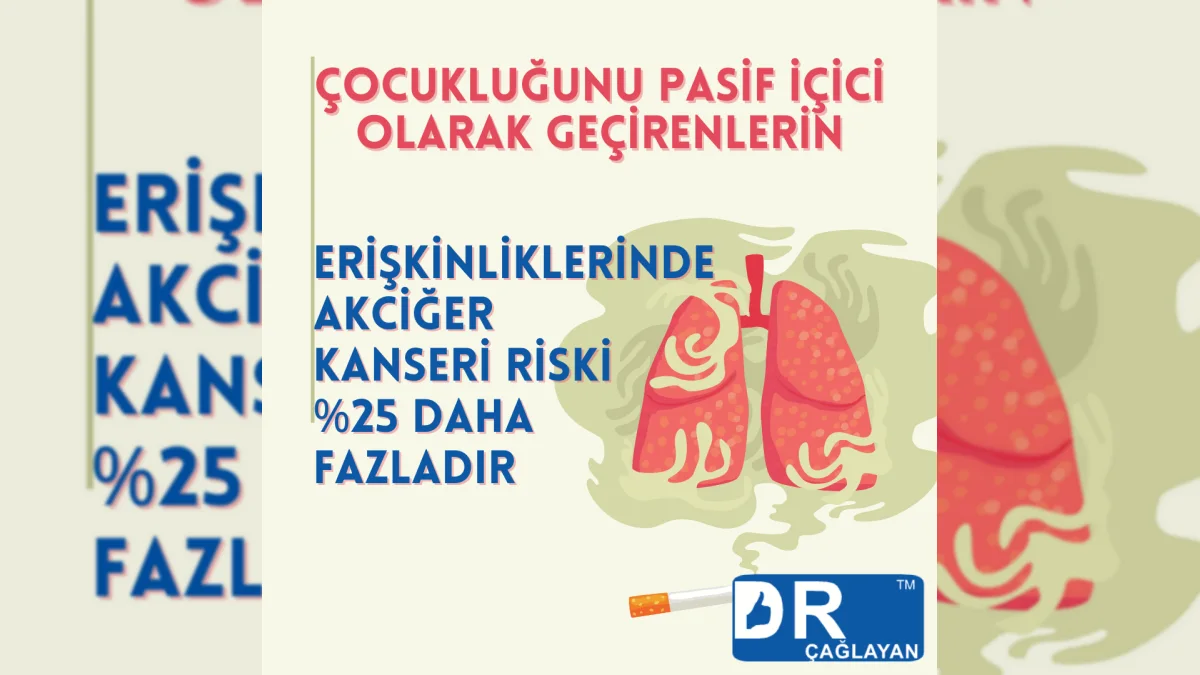
Children breathe faster than adults, and their developing lungs are more sensitive to environmental smoke. Therefore, the most effective approach to secondhand smoke is not to create fear, but to make the home and car completely smoke-free.
What is secondhand smoke associated with in children?
According to the CDC, there is no safe level of secondhand smoke exposure. In children, it is associated with respiratory infections such as pneumonia and bronchitis, middle ear disease, more frequent and more severe asthma attacks, respiratory symptoms, and slower lung growth. The risk of sudden infant death syndrome (SIDS) also increases in infants.
Is ‘smoking by the window’ enough?
Smoke is not just the visible cloud. When someone smokes indoors, particles and chemicals spread to surfaces, clothing, and the air. Therefore, opening a window, using an exhaust fan, or smoking in another room does not create a truly smoke-free environment for a child.
The strongest protection plan
- No one should smoke in the home or car.
- The same rule should apply to guests.
- The goal should be for other homes where the child receives care to be smoke-free as well.
- If someone in the household smokes, seek support for quitting.
The positive side is this: no complex protocol is needed to reduce children’s exposure. One clear rule — keeping indoor spaces completely smoke-free — can make a big difference in daily life.