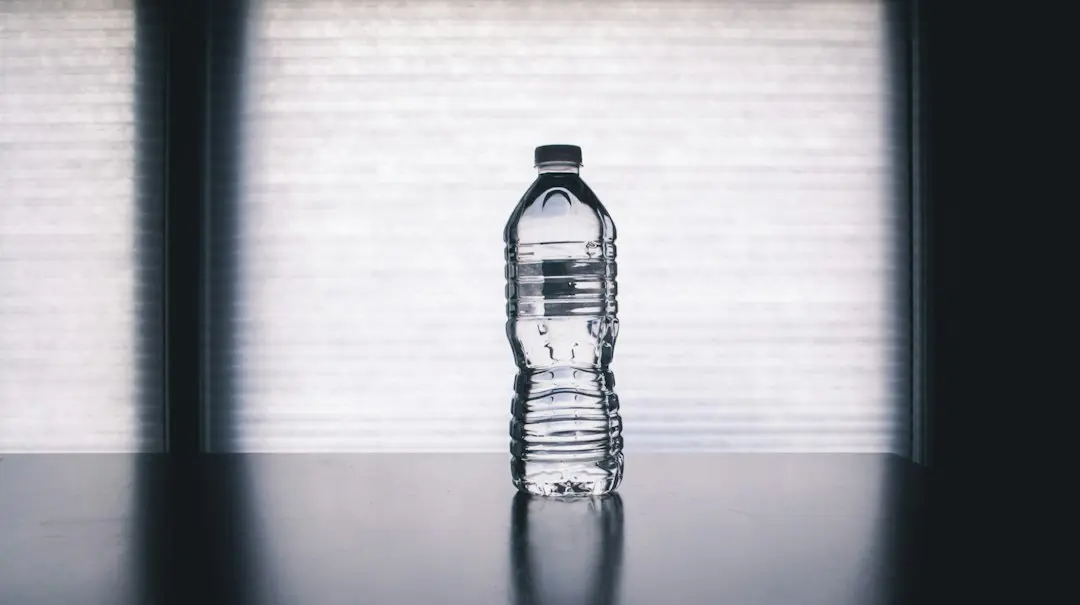
There are two extreme claims regarding PET bottles: saying they are ‘completely harmless’ or saying they ‘become poison if left in the sun’ both oversimplify the picture. Scientific data gives a more balanced message.
Why is antimony being discussed?
In PET production, antimony compounds can be used as catalysts, and very small amounts can migrate into the beverage. Studies show that high temperature and long storage time can increase antimony migration. However, the majority of measurements under normal storage conditions remain below regulatory limits.
Why is leaving it in a hot car not a good idea?
Under experimental conditions around 50 °C, antimony levels have been shown to increase compared to room temperature. This does not mean that drinking a bottle of water on a single hot day means ‘poisoning’; however, not leaving drinking water in unnecessarily high heat for a long time is a sensible precaution.
What does the WHO limit say?
The World Health Organization gives a guideline value of 20 µg/L for antimony in drinking water and states that concentrations reported in drinking water are generally below 5 µg/L. In PET bottle studies, results vary depending on the product, temperature, and duration.
4 practical rules in daily life
- Store bottles in a cool place away from sunlight.
- Do not make a habit of consuming beverages that have been left in a hot car for a long time.
- Do not use bottles with damaged packaging or those that are noticeably deformed.
- Instead of constantly refilling a single-use PET bottle, prefer a suitable, cleanable reusable water bottle.
Summary: there is no need to panic; proper storage conditions are a sufficient and practical precaution. What matters in science is not a single ‘scary’ measurement, but evaluating real-life exposure within regulatory limits and total risk.