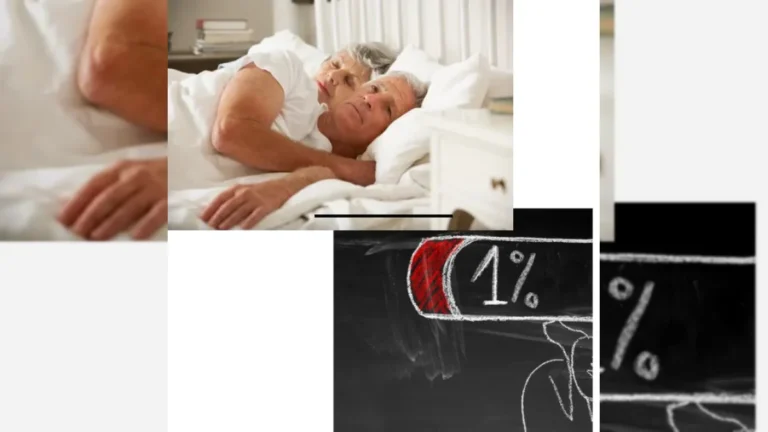

Why can libido decrease?
- Intense stress, burnout, or lack of sleep
- Depression, anxiety, and relationship problems
- Menopause and genitourinary syndrome of menopause
- Hypogonadism or other hormonal disorders in men
- Thyroid diseases and certain metabolic problems
- Certain medications, particularly the SSRI group
- Chronic pain, obesity, diabetes, and cardiovascular risk
- Sexual pain, erectile dysfunction, or other sexual dysfunction problems
Which evaluations can be performed?
The first step is a detailed history. When the problem began, whether it is lifelong or acquired later, the partner and relationship context, accompanying pain or erection problems, medications used, sleep, and mood are evaluated. When necessary, hormones, glucose metabolism, thyroid functions, and other clinical tests can be planned.
Is measuring testosterone sufficient?
A testosterone value alone may not explain the cause of low libido. The diagnosis of hypogonadism in men is based on the joint evaluation of low testosterone levels repeated under appropriate conditions along with consistent clinical symptoms. In women, total testosterone does not diagnose HSDD; if hormone therapy is considered, the clinical context and monitoring are important.
Low sexual desire in women
The international consensus published in 2026 recommends addressing hypoactive sexual desire disorder in women with a biopsychosocial evaluation. Psychological, relational, hormonal, and non-hormonal options can be evaluated together according to the individual’s situation. During the menopausal period, vaginal dryness, pain, and genitourinary changes can indirectly reduce sexual desire.
Low sexual desire in men
In low libido in men, the testosterone axis can be important; however, factors such as prolactin, thyroid, obesity, sleep apnea, medications, depression, and erectile dysfunction should also be reviewed. The 2025–2026 sexual medicine guidelines address the evaluation along with clinical symptoms and accompanying conditions rather than basing it solely on hormone levels.
Which treatments can be evaluated?
Treatment varies according to the cause. Sleep and stress management, relationship and psychosexual support, review of medications, treatment of menopause-related symptoms, management of erectile dysfunction, or hormonal treatments in appropriate patients may be among the options. There are clinical data regarding pharmacological options for HSDD in women and testosterone therapy in selected postmenopausal patients; the decision should be made based on the benefit-risk balance and monitoring.
The role of complementary approaches
Exercise, improving metabolic health, sleep patterns, and stress control are important for the general foundation of sexual health. Ozone, IV applications, or other complementary methods are being investigated in the field of sexual function; current data vary according to the method and patient group. These approaches should be addressed within a supportive framework in appropriate patients, not in place of standard evaluation.
Our approach in our Bodrum clinic
We do not accept low libido directly as a “hormone deficiency.” The onset of the problem, other components of sexual function, medications, sleep, stress, metabolic health, and hormonal status are evaluated together. By avoiding unnecessary tests, we create a stepwise and measurable plan according to the individual’s priority.
For a broader approach, you can review the Sexual Health and Healthy Aging guide; if there is an accompanying erection problem, you can review the Erectile Dysfunction and Erection Problem page.
References
- Rowen TS, et al. Evaluation and management of hypoactive sexual desire disorder in women. Recommendations from the 5th International Consultation on Sexual Medicine. Sex Med Rev. 2026. PMID: 41092352.
- Salonia A, et al. European Association of Urology Guidelines on Male Sexual and Reproductive Health: 2025 Update. Eur Urol. 2025. PMID: 40340108.
- Rastrelli G, et al. Hormonal regulation of men’s sexual desire, arousal, and penile erection: recommendations from ICSM 2024. Sex Med Rev. 2025. PMID: 40519205.
Written and medically reviewed by: Dr. Kerem Çağlayan
Last medical review: September 10, 2026
Disclaimer: This content is for general informational purposes; it is not a personalized diagnosis or treatment recommendation.