
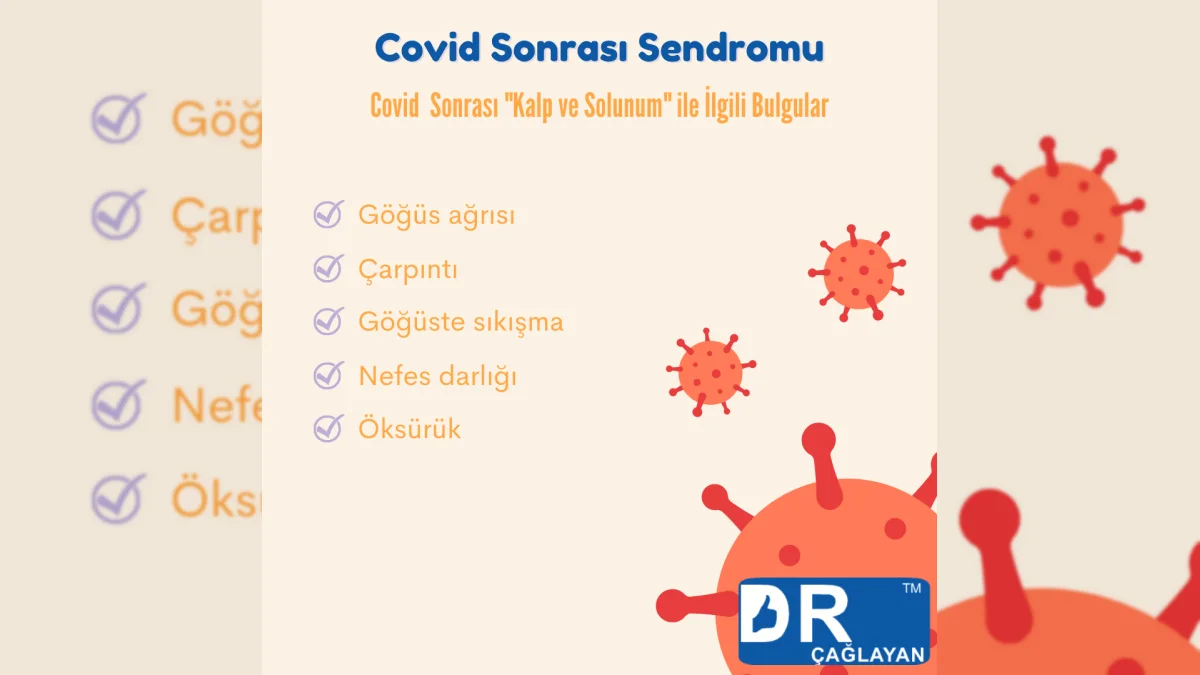
Which symptoms are commonly seen?
Shortness of breath, decreased exercise capacity, chest discomfort, palpitations, and orthostatic dizziness have been reported. In some individuals, orthostatic intolerance associated with the autonomic nervous system or POTS-like presentations may be evaluated.
Which tests may be needed?
Tests are not the same for everyone. Depending on the complaint, an ECG, oxygen saturation, complete blood count, thyroid tests, chest X-ray, pulmonary function test, echocardiography, or more advanced investigations may be considered. A normal test result does not mean that symptoms are not real; however, targeted investigation is important to rule out serious alternative causes.
Conditions requiring emergency evaluation
If there is new or severe chest pain, marked shortness of breath, fainting, unilateral leg swelling, cyanosis, low oxygen at rest, or sudden neurological symptoms, emergency evaluation is required.
How should the return to exercise be?
If post-exertional malaise (PEM) is present, the standard graded exercise approach is not suitable for everyone. Activity should be planned by taking into account the person’s tolerance limits and the symptom response 24–48 hours later.
Related guide
Long COVID: general symptoms and evaluation