Fiber
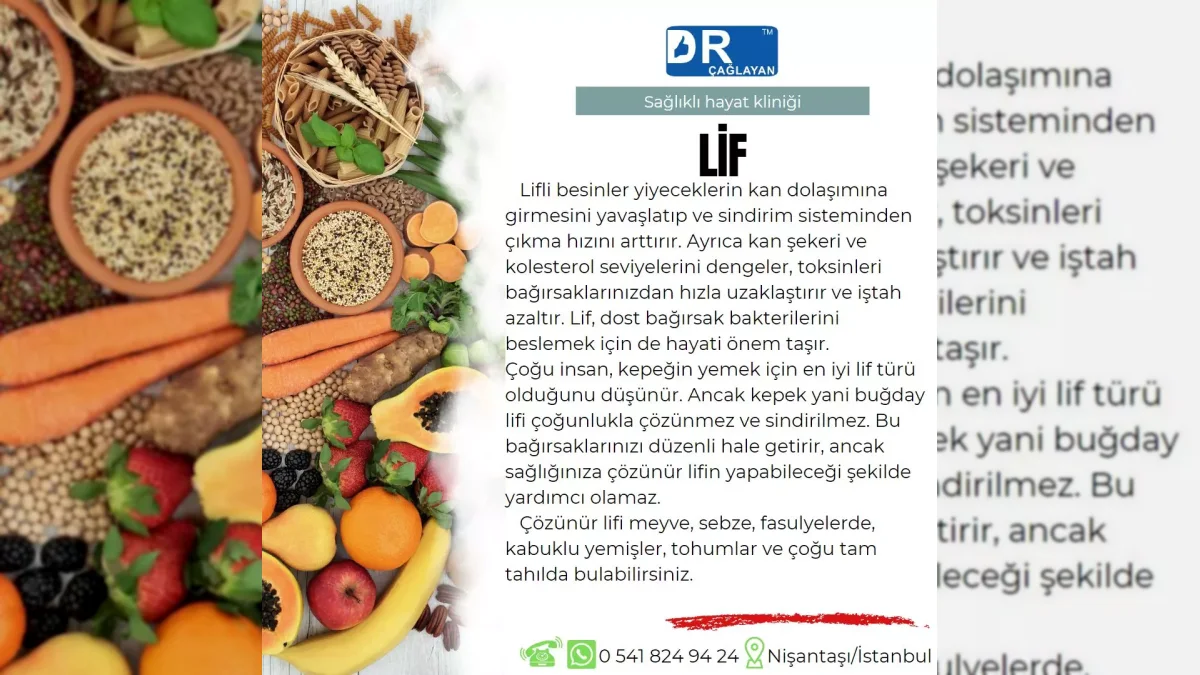
Fiber-rich foods slow the entry of food into the bloodstream and increase the rate at which it leaves the digestive system. They also balance blood sugar and cholesterol levels, quickly remove toxins from your intestines, and reduce appetite. Fiber is also vital for feeding friendly gut bacteria. Most people think that bran is the best type of fiber to eat. However, bran, or wheat fiber, is mostly insoluble and indigestible. This keeps your bowels regular, but it cannot help your health in the way that soluble fiber can. You can find soluble fiber in fruits, vegetables, beans, nuts, seeds, and most whole grains.Medical Guide
Fiber
Medical editorial information
This content has been medically reviewed and approved by Dr. Kerem Çağlayan. It is intended for general education and does not replace an individual diagnosis or treatment plan.
Related content

Medical Topic
Red and Near-Infrared Light in Cancer Treatment: Effects, Scientific Evidence, and Safety of Photobiomodulation
Photobiomodulation (PBM) is a supportive option for side effects of cancer treatment, particularly for oral mucositis. 2026 meta-analyses, safety, red/NIR light, lymphedema, radiodermatitis, and difference from PDT.

Medical Guide
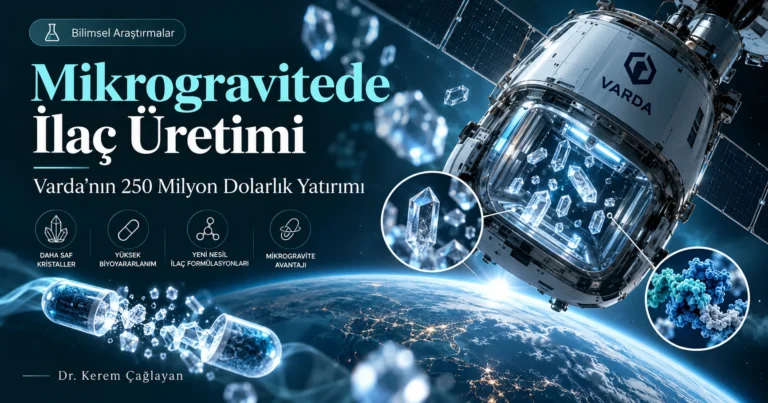
Drug Manufacturing in Microgravity: Why Is Varda’s $250 Million Investment Important?
Varda Space Industries received a $250 million investment to scale in-orbit pharmaceutical manufacturing. The advantages microgravity may offer to crystallization and biopharmaceutical manufacturing are becoming a genuine field of industrial research; however, its impact on routine clinical practice remains indirect.

Medical Guide
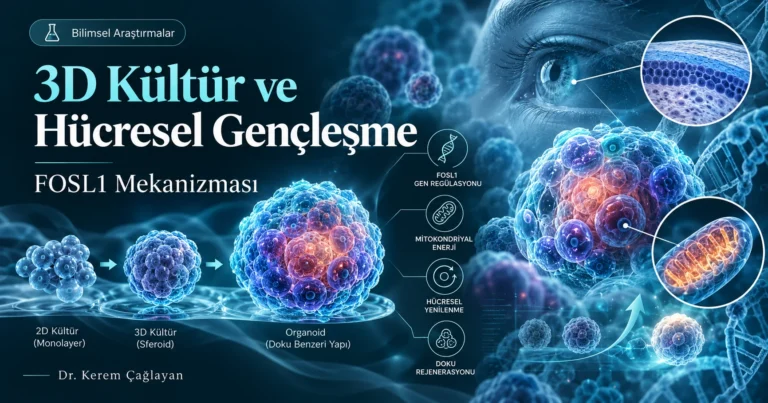
Can 3D Culture Partially Rejuvenate Aged Limbal Niche Cells? The FOSL1 Mechanism
The study published in Aging Cell showed that 3D Matrigel culture increased stemness markers and proliferation while reducing senescence markers in aged limbal niche cells; the effect was associated with FOSL1 and mitochondrial function. Findings are at the in-vitro level.