
Key points
- The clinical effect of DMSO should be evaluated according to the product used and the route of administration.
- The prescription form of DMSO administered into the bladder has an established history of use in interstitial cystitis.
- The RIMSO-50 product information is for intravesical use; the product is not prepared for intramuscular or intravenous injection.
- Topical, intravesical, and potential systemic uses should not be considered interchangeable.
- DMSO intended for industrial or research purposes should not be considered suitable for medical use.
What is DMSO?
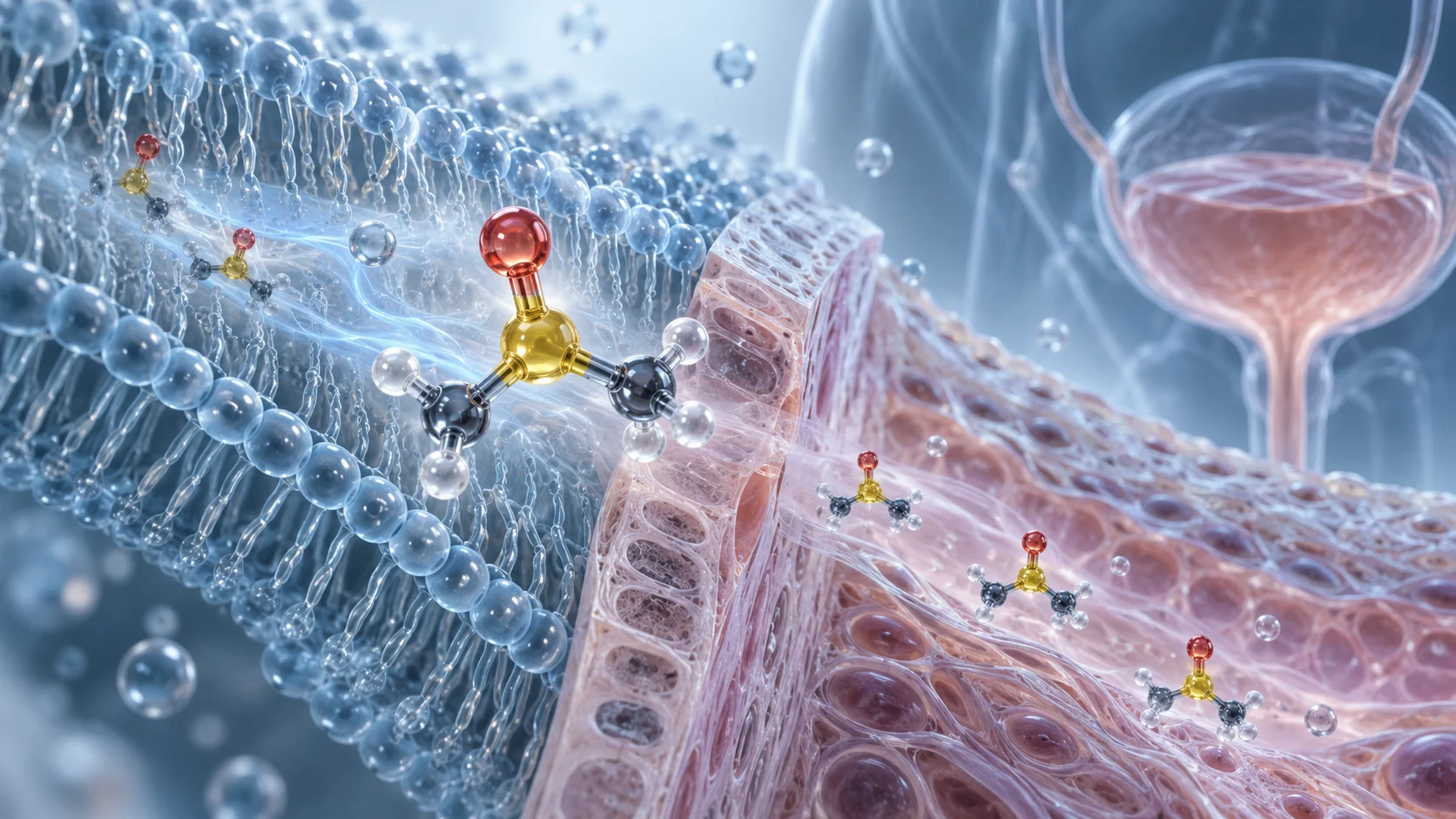
Dimethyl sulfoxide is a small, polar organosulfur compound. In addition to its chemical solvent properties, its interaction with cell membranes and biological tissues has led to the development of various uses in pharmacology and research. When evaluating DMSO, consideration should be given not only to the name of the molecule but also to pharmaceutical purity, concentration, excipients, route of administration, and the targeted clinical condition.
Its role in interstitial cystitis and bladder pain syndrome
Interstitial cystitis/bladder pain syndrome may involve symptoms such as pain, pressure, or discomfort in the bladder region, along with frequent urination and urgency. Treatment is generally stepwise and individualized. Bladder training, lifestyle modifications, pelvic floor approaches, medications, and intravesical treatments in selected patients may be considered together. Administration of DMSO into the bladder is one of these options.
The difference between intravesical use and IV use
Intravesical products such as RIMSO-50 have been developed for administration into the bladder. The existence of an approved route of administration for this product does not mean that a benefit for detox, systemic pain control, or healthy aging has automatically been demonstrated when the same molecule is administered intravenously. When IV DMSO is considered, clinical data specific to that preparation and route of administration must be examined separately.
Safety and practical points
Effects such as temporary bladder discomfort or a garlic-like taste or odor may occur with intravesical DMSO administration. Allergy history, pregnancy and breastfeeding status, medications being used, and coexisting urological conditions should be evaluated. The product’s purity and preparation for medical use are particularly important.
Our approach at our Bodrum clinic
When evaluating DMSO, we first clarify the route of administration and the targeted clinical problem. In cases of bladder pain or interstitial cystitis, infection, stones, tumor-related processes, and other urological causes must be appropriately ruled out; stepwise treatment options must then be evaluated. Intravenous DMSO, on the other hand, is addressed separately from intravesical use and is considered only if the product, indication, and safety data are appropriate.
Frequently asked questions
Is DMSO used for every case of bladder pain?
No. The cause of the pain must first be identified, and the diagnosis of interstitial cystitis/bladder pain syndrome must be addressed through an appropriate clinical evaluation.
Can sterile DMSO be administered intravenously?
Sterility alone is not sufficient. The product’s pharmaceutical form, approved route of administration, excipients, and safety data for intravenous use are determining factors.
Can DMSO be used for detox?
Various mechanistic and experimental uses of DMSO are being discussed; however, systemic use for detox must be evaluated separately from intravesical use data.
Related content
References
- DailyMed. RIMSO-50 (dimethyl sulfoxide) intravesical solution product information.
- NIDDK. Interstitial Cystitis / Bladder Pain Syndrome: Treatment.
Written and medically reviewed by: Dr. Kerem Çağlayan
Last medical review: 10 September 2026
Disclaimer: This content is intended for general medical information; it is not a substitute for an individual diagnosis or treatment recommendation.