Key points
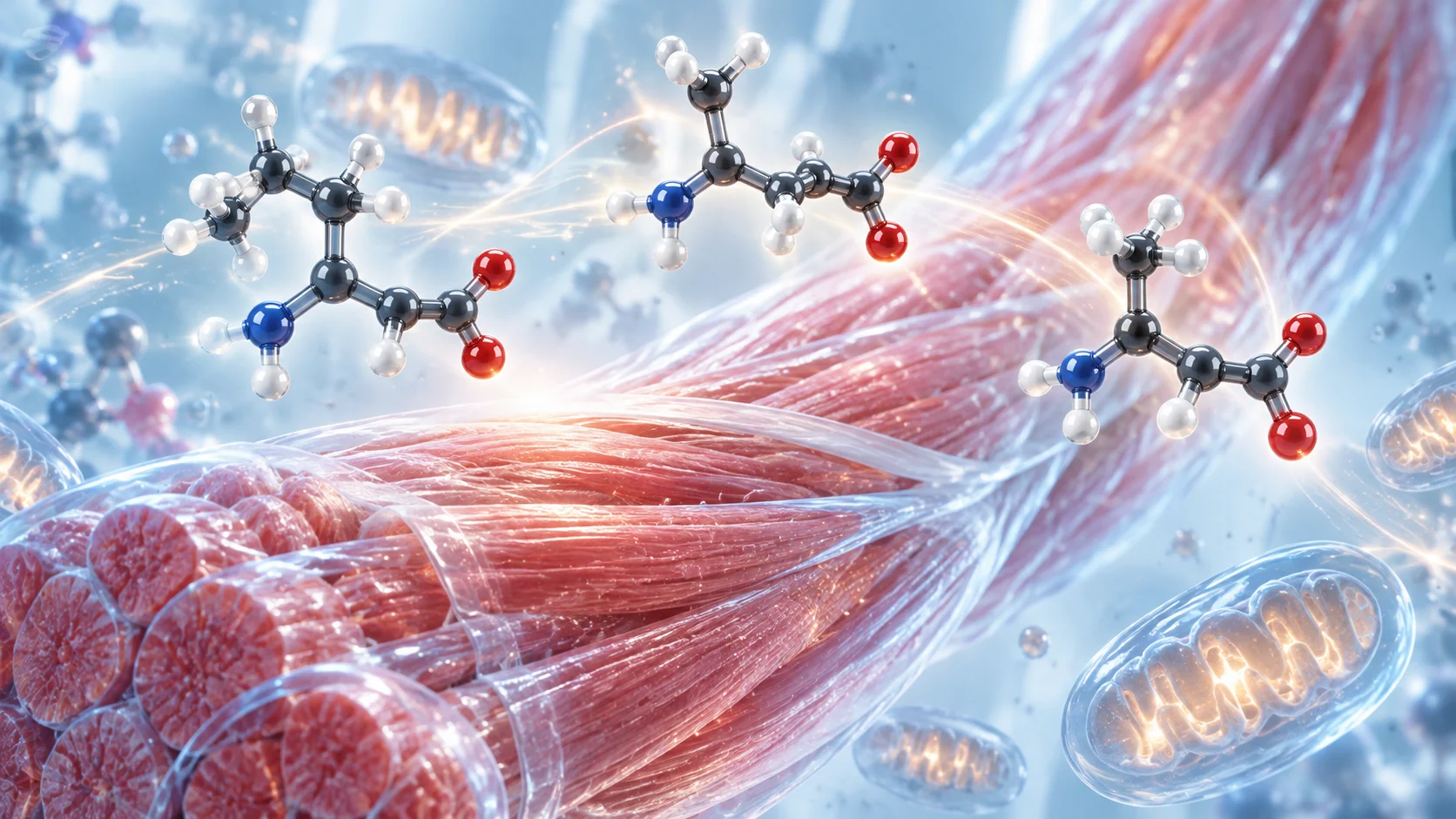
- The BCAA group consists of leucine, isoleucine, and valine.
- Although leucine plays an important role in muscle protein synthesis signaling, other essential amino acids are also necessary for muscle building.
- Results in studies of post-exercise recovery and performance vary depending on the individual, nutrition, and study design.
- The presence of BCAAs in parenteral amino acid solutions does not imply a standalone indication for a “muscle IV drip” in healthy individuals.
What are BCAAs, and what do they do in the body?
Branched-chain amino acids are essential amino acids obtained through food. They are associated with energy and protein metabolism, particularly in muscle tissue. However, muscle health does not depend solely on the amount of BCAAs; adequate total protein, energy balance, physical activity, and the availability of other essential amino acids are necessary.
What do we know about muscle health and exercise?
BCAA supplements have been studied for outcomes such as post-exercise muscle soreness, recovery, fatigue, and performance. Although certain signals of benefit have been reported in some studies, the results are not consistent. The added contribution of additional BCAAs in a person with adequate protein intake may differ from that in a person with low protein intake or specific nutritional needs. Resistance exercise and adequate protein intake form the foundation of the approach to maintaining muscle strength and function.
Who may be considered for nutritional support?
A comprehensive nutritional assessment may be performed in people with inadequate protein intake, unintentional weight or muscle loss, reduced appetite, or increased clinical nutrition needs. The aim is not merely to increase a single amino acid, but to address total energy-protein needs and improve muscle function together.
How does oral supplementation differ from IV amino acid administration?
For people who can receive adequate nutrition orally or enterally, the priority is daily nutrition and, when needed, appropriate oral products. In selected patients who cannot receive adequate nutrition through the gastrointestinal tract, parenteral nutrition solutions containing amino acids may be part of a professional clinical nutrition plan. This approach differs from oral BCAA products used for sports or wellness purposes and requires a separate product, indication, sterility, and metabolic monitoring for intravenous administration.
Important points for safe use
Nutritional status, kidney and liver function, fluid-electrolyte balance, and other nutritional products being used should be evaluated together. The risk of refeeding syndrome is taken into account, particularly in severe nutritional deficiency. Parenteral amino acid preparations should be prepared and their administration monitored in accordance with clinical nutrition protocols.
Our approach at our Bodrum clinic
When evaluating BCAAs, we look not only at the amount of supplementation but also at the person’s daily protein intake, muscle mass and muscle strength, physical activity, weight changes, and metabolic status. If there is muscle loss or a goal of healthy aging, resistance exercise, adequate protein, sleep, and, when necessary, other nutritional supplements are planned together. Intravenous amino acid use is considered only when an appropriate clinical nutrition rationale and product are available.
Frequently asked questions
Do BCAAs alone build muscle?
BCAAs contribute to muscle protein metabolism; however, all essential amino acids, adequate energy, and appropriate resistance exercise are necessary for muscle development and maintenance.
If I get enough protein, do I also need BCAAs?
The extent of the added contribution may vary depending on the person’s total protein intake, dietary quality, exercise load, and clinical status. Therefore, the need should be assessed individually.
Do IV amino acids lead to faster muscle gain?
The primary clinical use of intravenous amino acids is parenteral nutrition in patients who cannot receive adequate nutrition through the gastrointestinal tract. Routine IV use for muscle gain in a healthy person should not be viewed as a substitute for appropriate nutrition and exercise.
Related content
- IV and Infusion Treatments
- Sarcopenia, Muscle Strength, and Healthy Aging
- Healthy Aging and Longevity
References
- NIH Office of Dietary Supplements. Dietary Supplements for Exercise and Athletic Performance: Health Professional Fact Sheet.
- DailyMed. Parenteral amino acid injection / PLENAMINE product information.
- NICE. Nutrition support for adults: oral, enteral and parenteral nutrition.
Written and medically reviewed by: Dr. Kerem Çağlayan
Last medical review: 10 September 2026
Disclaimer: This content is intended for general medical information; it is not a substitute for personalized diagnosis or treatment recommendations.