How could there be a link between voice and diabetes?
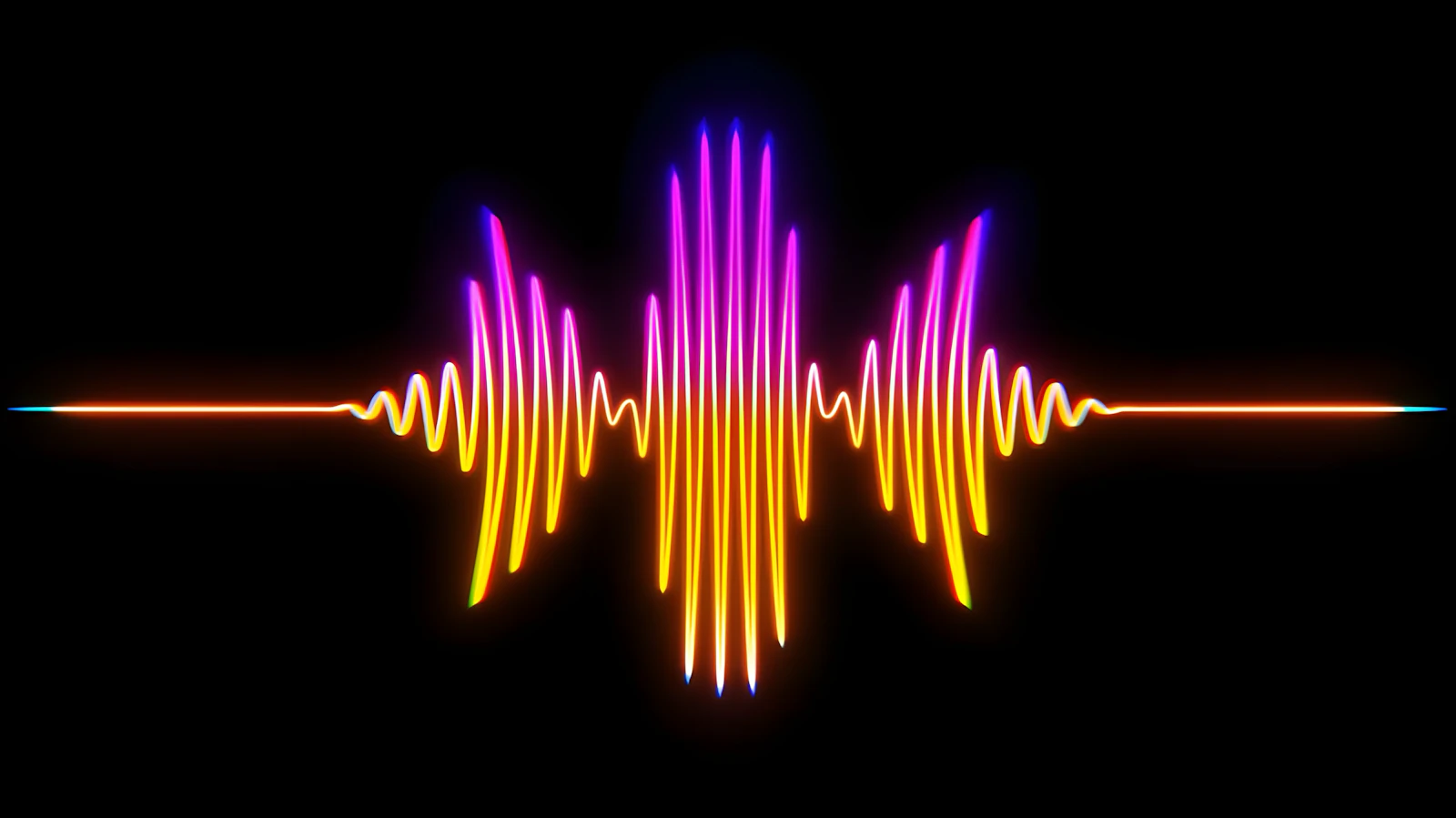
Voice is the joint output of numerous physiological factors such as respiration, laryngeal structure, muscle control, hydration, neuropathy, body composition, and metabolic state. Machine learning can extract a statistical signal from frequency, rhythm, articulation, and prosodic patterns that the human ear cannot notice. Which biological mechanisms this signal represents is not yet fully known.
How was the study conducted?
The model was developed using speech data obtained from more than 21,000 individuals. In the independent evaluation phase, 7,319 English-speaking adults were used. Biomarker confirmation with HbA1c measurement was performed in 801 of them. The model generated a probability of type 2 diabetes from a 20-second speech sample, and the results were compared with classic risk tools such as QDiabetes.
Key results
- AUC in self-reported diabetes status: approximately 0.80.
- AUC in QDiabetes comparison: approximately 0.86.
- AUC in the subgroup confirmed by the HbA1c ≥48 mmol/mol (≥6.5%) threshold: approximately 0.75.
- The model was relatively robust against certain demographic variables such as age and sex.
- Performance could drop in comorbidities such as cardiovascular disease and hypertension.
Why do false positives matter?
Although high sensitivity is valuable in a screening test, a large number of false positives can lead to unnecessary anxiety and additional testing. Therefore, the most reasonable future mode of use for voice analysis may not be a “diagnostic application,” but a low-cost pre-screening layer that prioritizes individuals who should have a blood test.
Can it replace HbA1c?
No. A diagnosis of diabetes is made using validated laboratory criteria. For today, the voice model is not an alternative to HbA1c, fasting plasma glucose, or an oral glucose tolerance test.
Potential use in the clinic
It has the potential for broad population screening via telephone or telehealth, risk stratification in low-resource regions, and creating an additional digital biomarker to classic questionnaire-based risk scores. However, external validation is required in populations of different languages, accents, ages, ethnic groups, devices, and comorbidities.
Limitations of the evidence
The study is a preprint; independent peer review has not been completed. Privacy in voice data is an important issue. Whether the model improves patient outcomes of clinical decisions has not yet been tested.
References
- Brann E, et al. Detection of Type 2 Diabetes from 20-second Speech Recordings: A Large-Scale Validation Study. medRxiv. 2026. DOI: 10.64898/2026.03.16.26348468.
- New Scientist, October 2026: popular science evaluation of voice-based diabetes screening technology.
Related reading: Insulin Resistance and Metabolic Syndrome · Weight Management and Metabolic Health
Last medical review: October 17, 2026