Do cells use electrical processes?
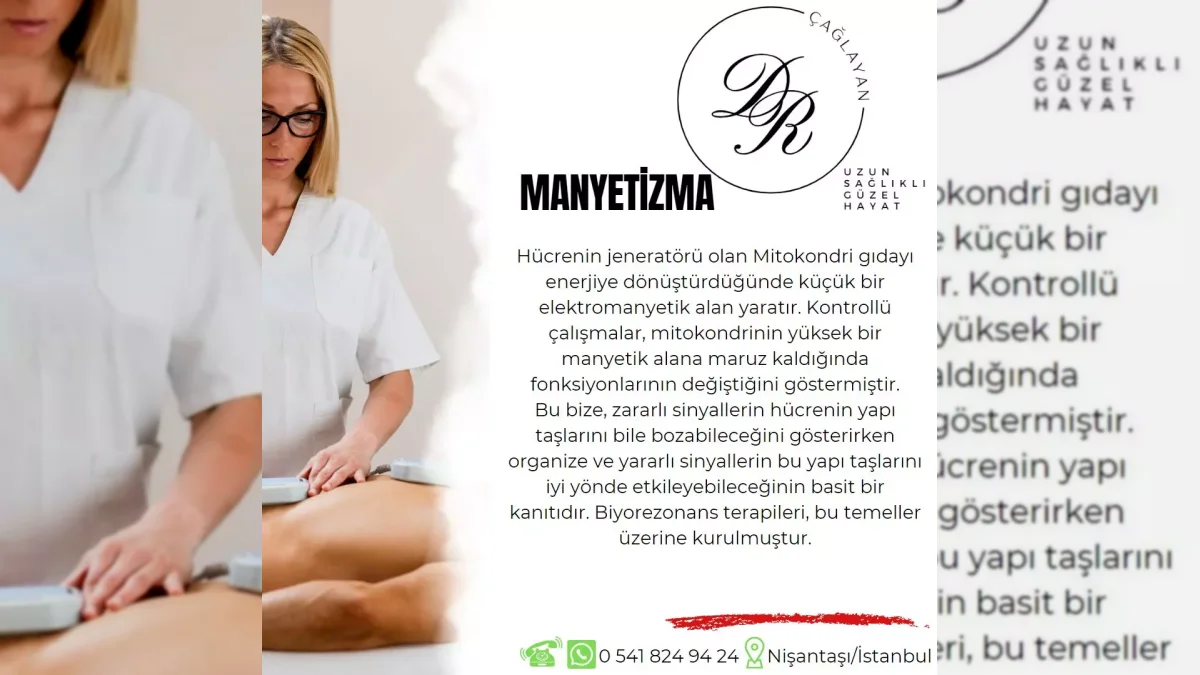
Yes. Many biological processes, such as nerve conduction, membrane potential, and muscle contraction, have electrical properties. However, this does not support the conclusion that “every external electromagnetic signal heals cells.” Clinical effects must be demonstrated separately according to the field’s type, frequency, intensity, application duration, and target tissue.
Static magnets
Research on static magnet products, such as bracelets, insoles, or mattress pads, for pain treatment is limited. NCCIH states that there is no conclusive evidence showing that static magnets are effective in treating pain.
PEMF and electromagnetic field therapies
Positive results for pain and function have been reported for some musculoskeletal conditions with applications of varying electromagnetic fields such as PEMF; however, the data are not the same for all diseases and devices. Certain electromagnetic devices have received regulatory approval for some specific indications.
TMS is a separate technology
Transcranial magnetic stimulation stimulates specific regions of the brain with controlled magnetic pulses and is used as a medical device for some neuropsychiatric or neurological indications. This does not mean that static magnets or bioresonance devices have the same level of evidence.
Can a connection be made to bioresonance?
The fact that biological systems have electrical or electromagnetic properties is not evidence of the clinical effectiveness of bioresonance. Each indication for bioresonance must be evaluated separately through its own human studies. For this reason, in our clinic, we address bioresonance claims based on the quality and limitations of the available human data, rather than on the assumption of a physical mechanism.
Related guide
Bioresonance Human Studies: Evidence Map