
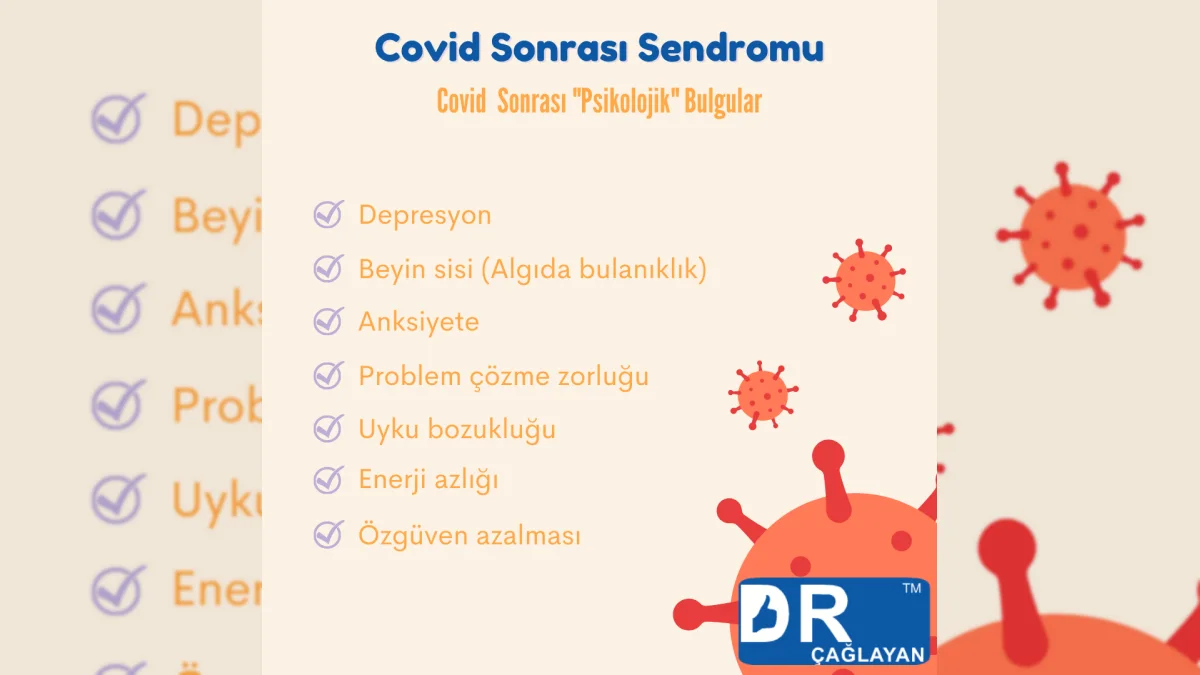
What does brain fog mean?
Brain fog is not a medical diagnosis; it describes a person’s difficulty with concentration, processing speed, word finding, or short-term memory. Symptoms can also arise from other causes, such as lack of sleep, pain, medications, anemia, thyroid problems, and depression.
Why should sleep be evaluated?
Sleep disturbances can increase both cognitive performance and fatigue. If problems such as snoring, apnea, restless legs, or difficulty falling or staying asleep are present, they need to be addressed separately.
How should mental health symptoms be addressed?
Anxiety or depressive symptoms may be part of Long COVID; this does not mean that the symptoms are “psychological” or “not real.” If symptoms affect a person’s functioning, it may be appropriate to coordinate psychological/psychiatric support, sleep regulation, and a rehabilitation plan.
Can neurofeedback be used?
Neurofeedback may be considered as a complementary option for goals related to attention and self-regulation; however, it is not a proven standard treatment for Long COVID. If it is used, target symptoms and functional outcomes should be monitored objectively.