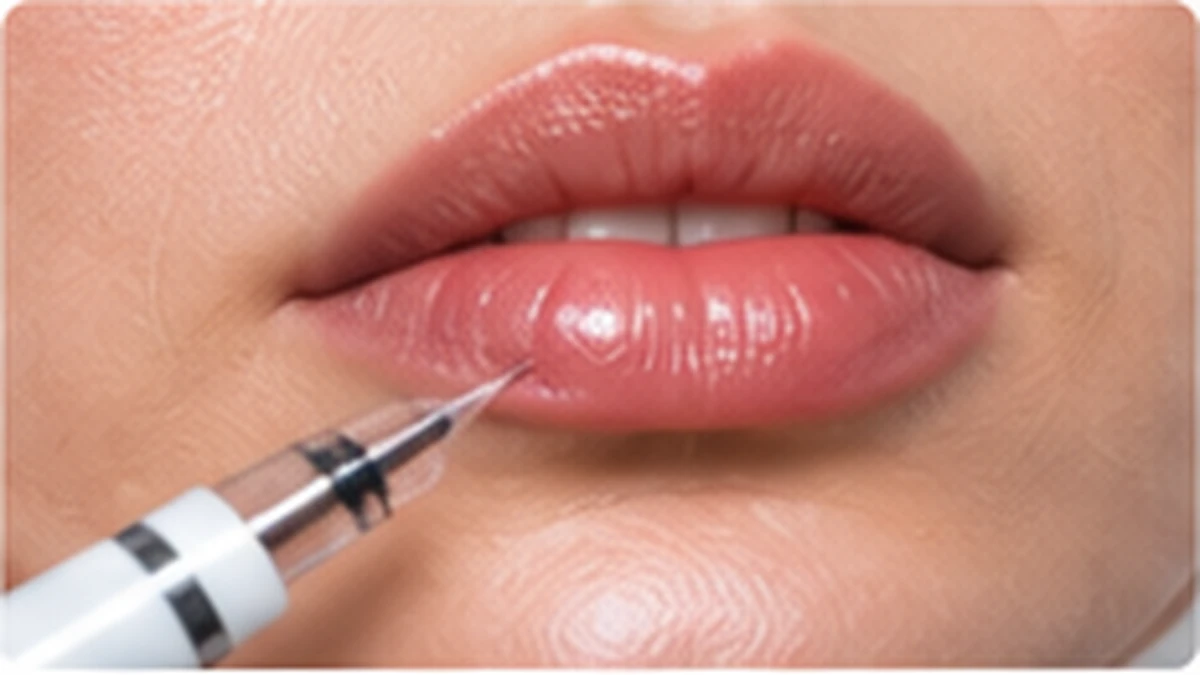
Hyaluronic acid filler and facial contouring
Hyaluronic acid fillers can be used to support volume loss in facial anatomy, balance specific contours, and reduce the appearance of selected lines/grooves. The goal is not to alter the face, but to plan a natural result that preserves anatomical proportions.
Which areas can it be applied to?
Depending on the examination, areas such as the lips, cheek/cheekbone area, nasolabial and marionette area, chin, and jawline can be evaluated. Indication and safety assessment is particularly important in high-risk anatomical areas such as the nose.
Which products do we prefer?
Rather than a brand, we prefer cross-linked hyaluronic acid fillers with rheology, viscoelastic properties, and structural support suitable for the application area. Fillers with the same properties are not used in thin and mobile areas and areas requiring deep structural support.
Difference between filler and skin booster
While filler is intended for volume and contour, skin boosters are primarily aimed at hydration and skin quality. In some patients, both approaches can be planned together at different times.
Safety
Temporary swelling, bruising, and tenderness may occur with filler applications. Due to the rare but significant risk of vascular complications, the procedure requires anatomical knowledge and complication management.
Frequently asked questions
Can filler results look natural?
Appropriate product selection, anatomical planning, and measured volume use can help preserve natural proportions. The goal is not always more volume, but a balanced result consistent with facial integrity.
Is filler permanent?
Hyaluronic acid fillers are not permanent. Longevity varies depending on the properties of the product used, the application area, metabolism, and individual tissue characteristics.
Our approach at our Bodrum clinic
We evaluate the face within holistic proportions rather than as a single area; avoiding unnecessary volume, we determine the needed area and amount.