Key points
- The bioavailability of curcumin can vary significantly depending on the formulation used.
- Oral curcumin and turmeric products have been investigated particularly in musculoskeletal complaints and various conditions associated with inflammation.
- A specific IV curcumin formulation was evaluated in a randomized trial in 2020 as an adjunct to paclitaxel in metastatic/advanced breast cancer; the results are of research interest, but general oncological or longevity conclusions should not be drawn from a single study.
- The FDA reported serious adverse events and product quality issues following a compounded IV curcumin emulsion; this highlights the importance of formulation and sterile compounding safety in particular.
Why does curcumin attract interest?
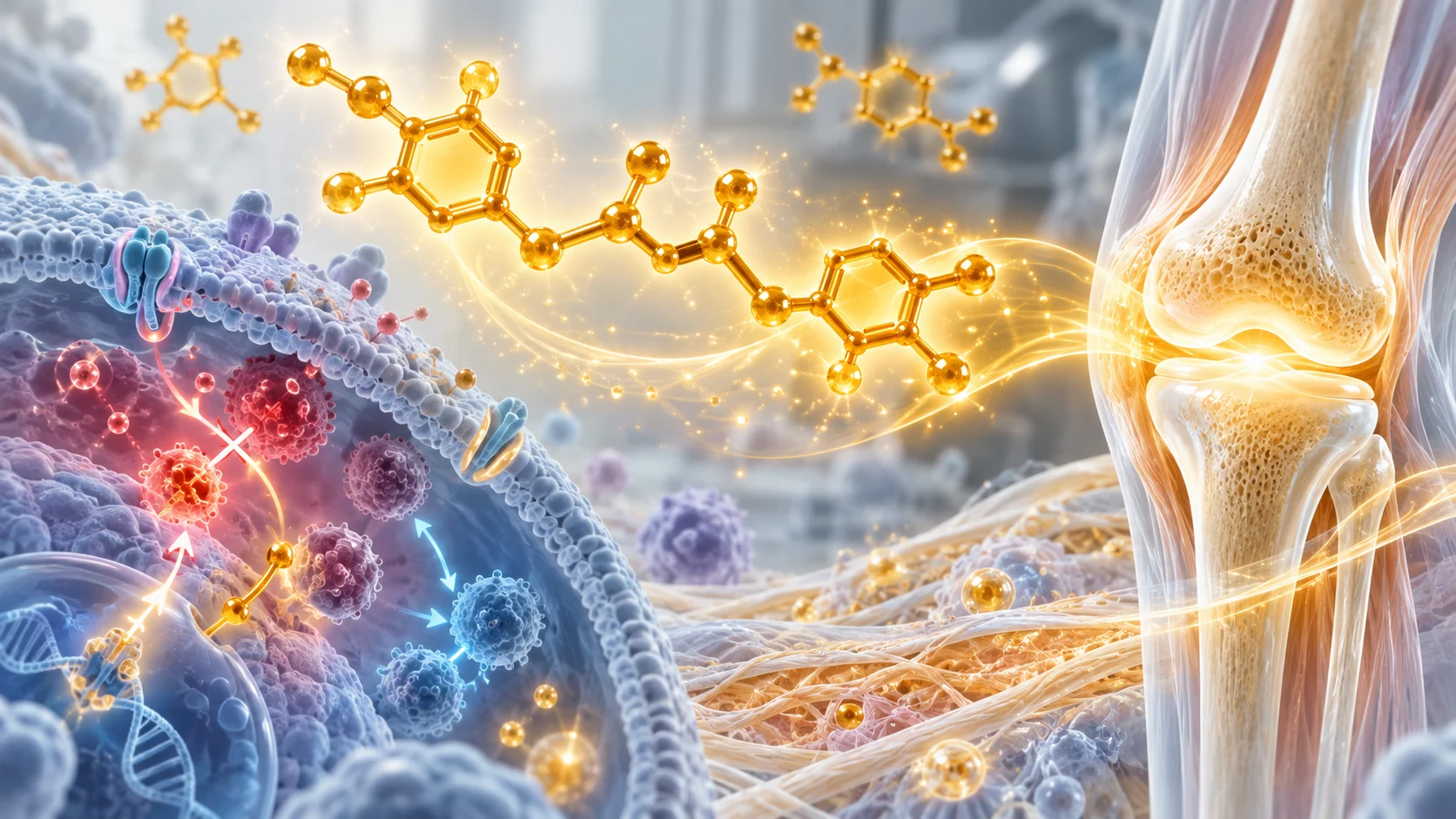
Curcumin is a compound capable of interacting with numerous biological targets, including NF-κB, cytokines, and various redox-signaling pathways. This broad mechanistic profile has generated strong research interest in laboratory and animal studies. From a clinical perspective, what is important is to evaluate through human studies whether these mechanisms translate into a meaningful outcome for a specific product, dose, and patient group.
Oral curcumin and joint health
Turmeric and curcumin preparations have been the subject of numerous clinical studies on pain and function, particularly in knee osteoarthritis. Some randomized trials and reviews have reported improvements in symptoms. However, the extracts used, curcuminoid amounts, bioavailability-enhancing technologies, and study durations differ from one another. Therefore, it should not be assumed that all products sold under the name “curcumin” have the same effect.
Why is bioavailability important?
Oral absorption of standard curcumin is limited. Piperine, phospholipid complexes, nanoparticles, or other carrier systems can be used to enhance absorption. Theoretically, higher bioavailability may produce greater systemic exposure; however, this can alter both the efficacy and safety profile across products. For this reason, the specific formulation used in a study is a fundamental part of the clinical interpretation.
What does IV curcumin research show?
In a randomized, double-blind, placebo-controlled study published in 2020, a weekly IV curcumin formulation added to paclitaxel was evaluated in 150 patients with advanced/metastatic breast cancer. The study reported a positive signal in terms of objective tumor response; conversely, no difference of the same magnitude was shown in progression-free survival and certain other secondary endpoints. This study represents important early human data regarding IV curcumin, but on its own, it does not imply standard cancer treatment, a definitive survival benefit, or an anti-aging effect in healthy individuals. In oncology patients, any complementary application should be evaluated in conjunction with the care team.
Why should IV formulation safety be evaluated separately?
In intravenous administration, the solvent, emulsifier, and other excipients are just as important as curcumin itself. The FDA investigated serious adverse events associated with a compounded curcumin emulsion; in one case, cardiac arrest and death were reported following infusion, and serious issues regarding product quality and ingredient consistency were identified in the formulation containing PEG 40 castor oil. This incident does not mean that all curcumin products carry the same risk; however, it demonstrates that pharmaceutical quality, sterility, and excipient selection are critical in IV formulations.
Safety and drug interactions
Although oral curcumin is well tolerated in most people, gastrointestinal complaints may occur. There are rare reports of liver injury with some high-bioavailability products. Product and dose selection should be performed with greater caution in conditions such as anticoagulant/antiplatelet medication use, biliary tract diseases, liver disease, pregnancy/breastfeeding, and active oncological treatment. Oral products sold as supplements must not be used for injection purposes.
Our approach at our Bodrum clinic
In curcumin evaluation, we first clarify the targeted clinical issue and the formulation to be used. For joint pain or inflammatory complaints, we consider oral product data, the individual’s medications, and hepatobiliary status together. If IV curcumin is considered, we evaluate it as an intervention entirely separate from oral supplementation; we prioritize product standards, excipients, sterility, and specific human data.
Frequently asked questions
Can curcumin help with joint pain?
Positive results have been reported with certain oral curcumin and turmeric formulations regarding knee osteoarthritis pain and function. The magnitude of effect and tolerability can vary depending on the product used and the individual.
Is IV curcumin more effective than oral curcumin?
Higher systemic exposure does not automatically mean better clinical outcomes. The benefit and safety of IV use must be evaluated solely based on human studies conducted with that specific formulation.
Can cancer patients use curcumin?
Curcumin has been investigated in oncology; however, during active cancer treatment, the decision must be made together with the oncology team due to potential drug interactions, the formulation used, and treatment goals.
Related content
References
- NCCIH. Turmeric / Curcumin clinical information summary.
- Saghatelyan T, et al. Efficacy and safety of intravenous curcumin in combination with paclitaxel in advanced metastatic breast cancer. Phytomedicine. 2020;70:153218.
- U.S. FDA. Compounding Risk Alert and ImprimisRx curcumin emulsion review.
Written and medically reviewed by: Dr. Kerem Çağlayan
Last medical review: September 10, 2026
Warning: This content is for general medical informational purposes; it does not replace personal diagnosis or treatment advice.